Debt Settlement and Credit Score Impact
Understand how negotiating debt affects your creditworthiness and long-term financial health.
When facing overwhelming debt, many individuals consider debt settlement as a potential solution. This financial strategy involves negotiating with creditors to pay less than the full amount owed, typically resulting in partial debt forgiveness. While debt settlement can provide immediate relief from crushing debt burdens, it carries significant consequences for your credit profile that can persist for years. Before pursuing this path, it’s essential to understand how the settlement process affects your creditworthiness and what alternatives might be available.
What Constitutes Debt Settlement and How It Functions
Debt settlement represents a formal agreement between you and your creditor to resolve an outstanding debt obligation for less than the original amount owed. Rather than paying the complete balance, you negotiate a reduced lump-sum payment in exchange for the creditor forgiving the remaining balance. This arrangement differs from other debt resolution methods like bankruptcy or credit counseling, as it involves direct negotiation and typically requires a substantial cash payment.
The settlement process typically begins when accounts become delinquent—meaning payments have been missed for several months. Many creditors are more willing to negotiate settlements on accounts that are already in default, as they recognize the likelihood of receiving partial payment is better than recovering nothing. However, the requirement to miss payments as a prerequisite to settlement creates an immediate negative impact on your credit before the settlement even occurs.
The Immediate Credit Score Decline Following Settlement
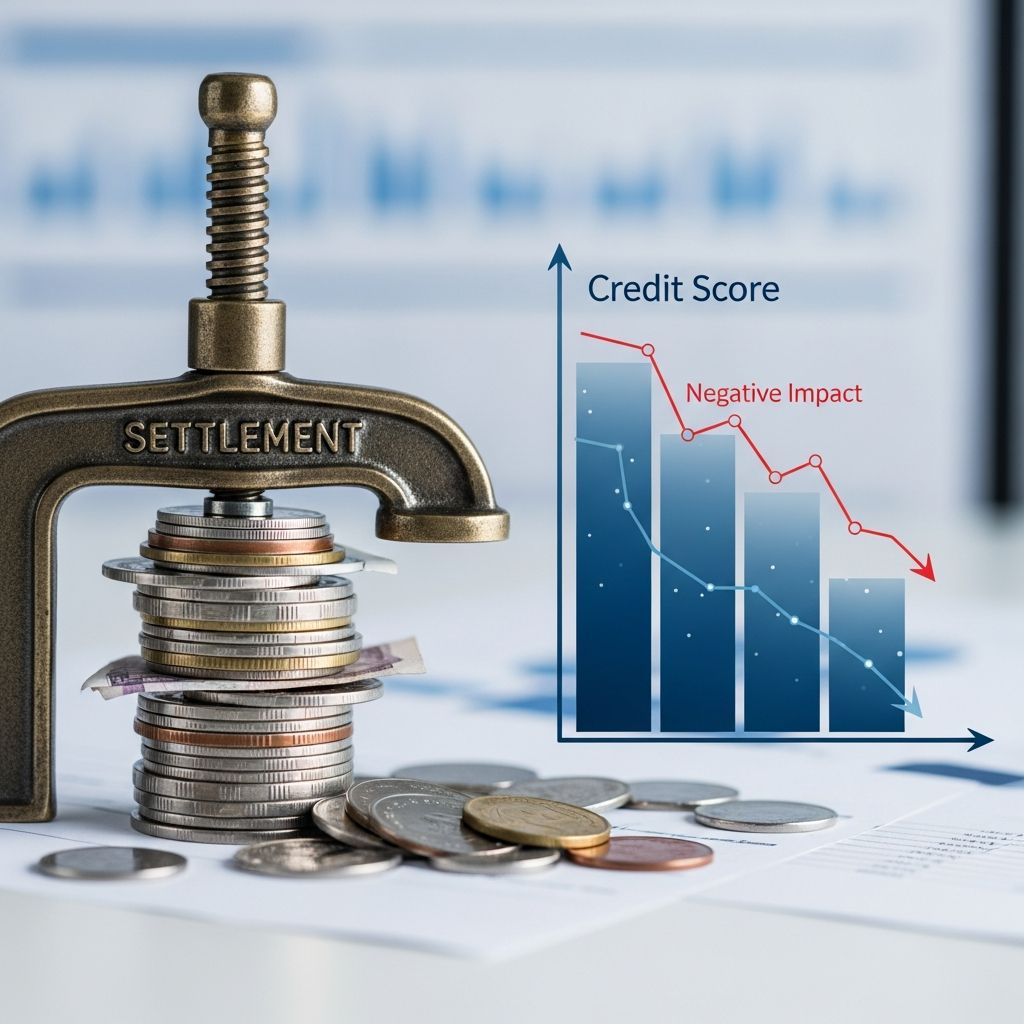
One of the most significant consequences of debt settlement is an immediate and often substantial drop in your credit score. Research indicates that individuals typically experience a credit score decline of approximately 100 points or more when a debt settlement is officially recorded on their credit report. However, this decline is not uniform—the exact impact depends on several interconnected factors.
For individuals with higher credit scores prior to settlement, the damage tends to be more pronounced. This occurs because credit scoring models interpret negative marks more severely when they contradict an otherwise positive credit history. Conversely, those with lower credit scores may experience less dramatic point reductions, though the settlement still affects their ability to access credit on favorable terms.
The severity of the score drop is influenced by:
- Your initial credit score before settlement
- The total amount of debt being settled
- The number of accounts involved in the settlement
- How delinquent the account was before settlement
- Your overall credit profile and payment history
Why Lenders View Settled Debt Negatively
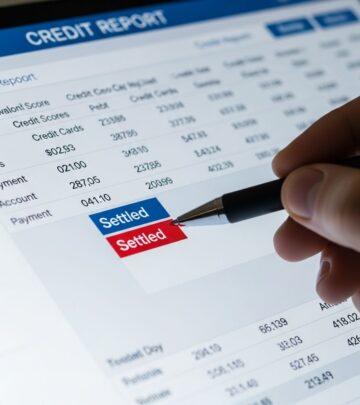
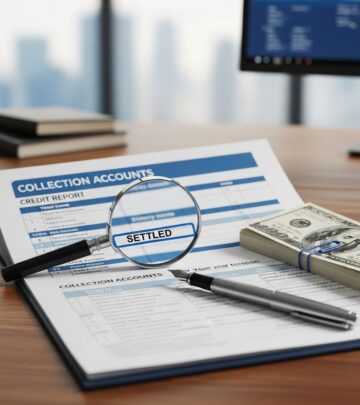
Credit reporting agencies and lending institutions distinguish between accounts marked as “settled” versus those marked as “paid in full.” This distinction matters significantly for your creditworthiness. A settled account indicates to future lenders that you were unable or unwilling to meet your original contractual obligations, whereas a paid-in-full notation suggests you honored the full agreement.
From a lender’s perspective, a settlement on your credit report raises questions about your ability and commitment to repay future obligations. It signals potential financial instability or a pattern of managing debt through negotiated reductions rather than full repayment. This perception influences lending decisions, interest rate offerings, and credit limit determinations for years following the settlement.
Beyond the settled account itself, the path to settlement—characterized by missed payments and delinquencies—creates multiple negative marks on your credit history. Each late payment is individually recorded and affects your credit score. The first delinquency on an otherwise clean credit record can be particularly damaging, as it breaks your pattern of on-time payments.
Duration and Evolution of Settlement Impact
Settled accounts remain visible on your credit report for seven years from the date of settlement. This extended reporting period means that your creditworthiness can be affected for an extended timeframe. However, the impact is not static—it diminishes gradually as time passes and as you establish positive credit behaviors.
| Time Period After Settlement | Typical Impact Level | Credit Access |
|---|---|---|
| Immediately (0-6 months) | Maximum negative impact | Significantly restricted |
| 6-18 months | High negative impact | Limited options, higher rates |
| 1-3 years | Moderate negative impact | Improving but still challenging |
| 3-7 years | Decreasing negative impact | Gradually normalizing |
The aging of the settlement record works in your favor over time. As the settled account becomes older, credit scoring models weight it less heavily in their calculations. Simultaneously, new positive credit behavior—such as on-time payments, reduced debt levels, and responsible credit usage—gradually rebuilds your credit profile and offsets the negative settlement notation.
Factors That Determine Severity of Credit Damage
The extent to which debt settlement damages your credit depends on multiple variables rather than a single factor. Understanding these variables helps explain why two individuals might experience different outcomes from similar settlement situations.
Amount and Number of Debts Settled
Larger debt settlements or multiple settled accounts result in greater credit score declines than settling smaller, isolated debts. Creditors and credit scoring models interpret settling multiple substantial debts as evidence of more serious financial problems than resolving a single modest obligation.
Delinquency Duration Before Settlement
Accounts with longer histories of missed payments before settlement typically suffer more severe credit damage. An account that has been delinquent for months creates more negative marks than one settled shortly after the first missed payment.
Your Pre-Settlement Credit Profile
Individuals with pristine credit histories experience more pronounced score drops than those already carrying other negative marks. Your existing credit mix, payment history, and overall creditworthiness all influence how severely a settlement affects your score.
Type of Debt Being Settled
Different debt types may have varying impacts on credit scores. Credit card debts, personal loans, and other unsecured debts may affect your score differently than secured debts like mortgages or auto loans.
Settlement Versus Other Debt Resolution Outcomes
While debt settlement clearly damages your credit, it’s important to understand how it compares to alternative outcomes. If you were to ignore the debt entirely or face default and collection actions, the credit consequences could be even more severe. Collections accounts remain on your credit report for seven years and typically cause greater damage than settled accounts.
Comparing different debt outcomes:
- Full Payment: No negative impact; account shows as paid in full
- Debt Settlement: Significant negative impact; account marked as settled; improves over time
- Default/Collections: Severe negative impact; account marked as unpaid; remains damaging longer
- Charge-Off: Severe negative impact; account marked as charged off; highly damaging
In certain situations, debt settlement may represent the least damaging available option when defaulting on the debt is otherwise inevitable.
Strategic Considerations Before Pursuing Settlement
Before committing to debt settlement, evaluate whether alternatives might better serve your long-term financial interests. Options to consider include:
- Negotiating directly with creditors for reduced interest rates or payment plans
- Consulting a nonprofit credit counselor for debt management strategies
- Exploring balance transfer opportunities to lower-interest credit accounts
- Investigating debt consolidation loans
- Understanding the full implications of bankruptcy protection
Debt settlement companies often encourage clients to stop making payments to force creditors into settlement negotiations. However, this strategy guarantees credit damage through missed payments and delinquencies. If you pursue settlement independently rather than through a third-party company, you may avoid additional fees, though the credit impact remains substantial.
Rebuilding Credit After Debt Settlement
Recovery from debt settlement damage requires time and consistent positive financial behavior. While the settlement notation remains on your report for seven years, its influence on your credit score diminishes significantly after the first few years of responsible credit management.
Effective strategies for rebuilding include:
- Ensuring all remaining debts receive on-time payments
- Reducing overall debt levels and credit utilization
- Maintaining a diverse credit portfolio when possible
- Regularly monitoring your credit report for accuracy
- Disputing any incorrect information with credit bureaus
- Avoiding additional delinquencies or negative marks
Many individuals find that after two to three years of responsible credit behavior following settlement, they regain access to credit, though potentially at higher interest rates than their pre-settlement terms.
Frequently Asked Questions
How Much Will My Credit Score Drop?
Most people experience a credit score decline of around 100 points, though individual results vary based on your starting score, the amount settled, and other credit factors. Higher initial scores typically see larger point drops.
Will Settling One Debt Affect My Other Credit Accounts?
Yes, the settlement appears on your overall credit report and can affect your ability to obtain new credit or favorable rates on other accounts, even if those accounts remain in good standing.
Can I Remove the Settlement from My Credit Report Before Seven Years?
Settlements typically remain on your report for the full seven-year period from the settlement date. However, you can request a “pay for delete” arrangement where the creditor removes the negative mark after payment, though many creditors decline such requests.
Will Future Employers See My Debt Settlement?
Most employers cannot access your credit report details, though some positions may require credit checks. The settlement would not typically appear in employment background checks unless the employer specifically runs a credit verification.
Is Debt Settlement Better Than Filing Bankruptcy?
Both options negatively impact your credit, but bankruptcy potentially causes more severe damage and remains on your report for longer periods. However, bankruptcy provides legal protections that settlement doesn’t offer.
References
- How Does Debt Settlement Affect Your Credit Score? — Patton Dean. 2025-02. https://www.pattondean.com/blog/2025/february/how-does-debt-settlement-affect-your-credit-scor/
- Does Debt Settlement Hurt Your Credit? – InCharge Debt Solutions — InCharge. https://www.incharge.org/debt-relief/debt-settlement/effect-on-credit-report/
- Why Debt Settlement Affects Your Credit This Way — McCarthy Lawyer. 2025-05-06. https://mccarthylawyer.com/2025/05/06/how-long-does-debt-settlement-stay-on-your-credit-report/
- Will Settling a Debt Affect My Credit Score? — Experian. https://www.experian.com/blogs/ask-experian/will-settling-a-debt-affect-my-score/
- Is Debt Settlement Worth a Lower Credit Score? — CBS News. https://www.cbsnews.com/news/is-debt-settlement-worth-a-lower-credit-score/
Similar Articles








Read full bio of Sneha Tete