Debt Settlement Credit Impact: What To Expect
Explore how negotiating credit card debt settlements influences your credit score, from immediate drops to long-term recovery strategies for financial stability.

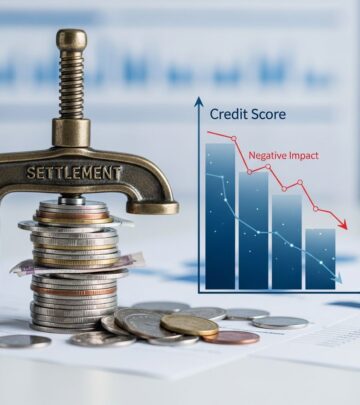
Negotiating to pay less than the full amount owed on credit card debt, known as debt settlement, provides financial relief but typically causes a substantial decline in credit scores, often by around 100 points or more, due to missed payments and the ”settled” status on reports.
Understanding Debt Settlement Basics
Debt settlement involves negotiating with creditors or collectors to accept a lump-sum payment lower than the outstanding balance to close the account. This process usually requires halting regular payments for several months to build leverage, leading to delinquencies that harm credit profiles. While it avoids bankruptcy, the trade-off is a damaged credit record that affects borrowing for up to seven years.
Creditors may agree because recovering partial payment is better than nothing, especially after charge-offs where they write off the debt as a loss. However, this marks the account negatively, signaling risk to future lenders.
Short-Term Consequences for Your Credit Score
The most noticeable effect occurs quickly: stopping payments triggers late fees, delinquencies, and potential charge-offs, each dropping scores significantly. A single missed payment can reduce a high score by 100 points, and multiple lapses compound this.
- Delinquency Reporting: Payments overdue by 30, 60, or 90 days appear on reports, severely impacting payment history, which comprises 35% of FICO scores.
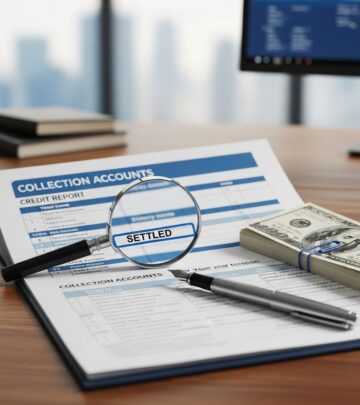
- Charge-Off Status: After 180 days of non-payment, accounts are charged off, staying visible for seven years and further lowering scores.
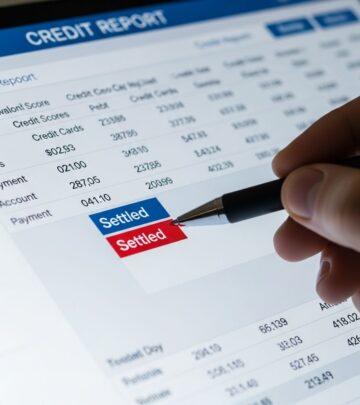
- Settlement Notation: Post-agreement, accounts show as ”settled for less than full balance,” viewed unfavorably compared to ”paid in full.”
Those with strong pre-settlement scores (e.g., 750+) face steeper drops than those already below 600, as algorithms penalize deviations from perfect histories more harshly.
How Long Does the Damage Persist?
Settled accounts linger on credit reports for seven years from the first delinquency date if payments were missed prior, or from the settlement date if current beforehand. This duration aligns with Fair Credit Reporting Act rules, during which the notation influences approvals for mortgages, auto loans, or rentals.
| Time Frame | Credit Impact Level | Typical Score Change |
|---|---|---|
| 0-12 Months Post-Settlement | High | -100 to -150 points |
| 1-3 Years | Moderate | Gradual recovery with good habits |
| 3-7 Years | Low | Minimal if positive history built |
As accounts age, their weight diminishes, especially if you maintain on-time payments elsewhere.
Factors That Amplify or Mitigate the Hit
Not all settlements affect scores equally. Key variables include:
- Debt Volume: Settling large sums or multiple cards signals greater instability, worsening drops.
- Pre-Existing Score: Excellent credit loses more points; poor credit sees smaller relative changes.
- Credit Mix and History: Closing revolving accounts shortens history length (15% of score) and reduces available credit.
- Recent Activity: New inquiries or high utilization exacerbate damage.
Your overall profile determines resilience; diverse, long-standing accounts buffer impacts better.
Potential Tax and Additional Costs
Forgiven debt over $600 counts as taxable income, per IRS rules, potentially leading to a surprise bill. Consult a tax professional before settling. Fees from settlement companies (15-25% of enrolled debt) add costs, and prolonged delinquencies rack up interest and fees.
Strategies to Rebuild Credit After Settlement
Recovery is possible with disciplined habits. Focus on these steps:
- Monitor Reports: Get free weekly views from AnnualCreditReport.com; dispute errors promptly.
- Secure Secured Cards: Use cards backed by deposits to build positive history without risk.
- Automate Payments: Ensure timely bills to strengthen payment history.
- Lower Utilization: Keep balances under 30% of limits.
- Add Installment Debt: Small personal loans paid steadily diversify mix.
Many regain good standing within 1-2 years of consistent effort.
Alternatives to Debt Settlement
Before settling, consider less damaging paths:
| Option | Credit Impact | Cost | Best For |
|---|---|---|---|
| Credit Counseling/Debt Management | Minimal | Low fees | Ongoing payments feasible |
| Balance Transfer Cards | Neutral | 3-5% fee | Good credit, short-term needs |
| Debt Consolidation Loan | Low if qualified | Fixed rates | Decent scores |
| Bankruptcy (Ch. 7) | Severe, 10 years | Court fees | Overwhelming debt |
Non-profit counseling often negotiates lower rates without stopping payments, preserving scores better.
Real-World Outcomes and Statistics
Studies show average drops of 85-125 points, with 60% of settlers seeing scores rebound above 650 within three years via rehabilitation. High-utilization debtors benefit most long-term by eliminating revolving debt, despite initial pain.
Frequently Asked Questions
Will settling one card ruin my entire credit?
No, but it contributes negatively; strong habits elsewhere can offset it over time.
Can I settle debt without hurting my score?
Rarely; delinquencies are inherent unless creditors settle amicably without lates, which is uncommon.
Does settling improve scores eventually?
Yes, as negatives age and positives accumulate, often surpassing pre-settlement levels.
Should I use a settlement company?
DIY saves fees but requires negotiation skills; firms succeed ~50% but charge high.
How soon can I apply for new credit post-settlement?
Wait 6-12 months; subprime lenders may approve sooner at higher rates.
Final Thoughts on Making Informed Choices
Debt settlement suits those facing insurmountable balances where alternatives fail, but prioritize options with milder credit effects first. Track progress monthly and commit to habits that foster lasting financial health. Professional advice from certified counselors ensures tailored strategies.
References
- How Does Debt Settlement Affect Your Credit Score? — Patton Dean. 2025-02. https://www.pattondean.com/blog/2025/february/how-does-debt-settlement-affect-your-credit-scor/
- Does Debt Settlement Hurt Your Credit? — InCharge Debt Solutions. Accessed 2026. https://www.incharge.org/debt-relief/debt-settlement/effect-on-credit-report/
- How does settling credit card debt affect credit score? — Chase. Accessed 2026. https://www.chase.com/personal/credit-cards/education/basics/how-will-settling-credit-card-debt-affect-credit
- What Is Debt Settlement? Complete Guide & Pros and Cons — Upsolve. Accessed 2026. https://upsolve.org/learn/debt-settlement/
- What Is Debt Settlement? — American Express. Accessed 2026. https://www.americanexpress.com/en-us/credit-cards/credit-intel/what-is-debt-settlement/
- Is debt settlement bad? — American Consumer Credit Counseling. Accessed 2026. https://www.consumercredit.com/is-debt-settlement-bad/
- Will Settling a Debt Affect My Credit Score? — Experian. Accessed 2026. https://www.experian.com/blogs/ask-experian/will-settling-a-debt-affect-my-score/
Similar Articles








Read full bio of Sneha Tete