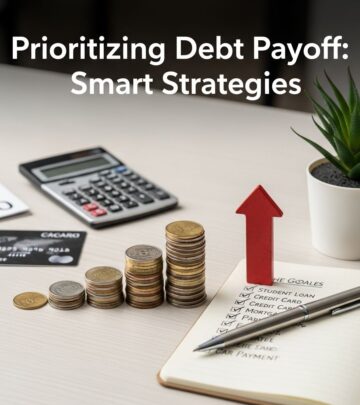
Debt Repayment Plans: 5 Effective Strategies To Get Debt-Free
Master your finances with proven debt repayment strategies that reduce stress, cut costs, and lead to lasting freedom from debt obligations.

Debt repayment plans provide a structured path to eliminate outstanding obligations, helping individuals regain financial control through organized payment strategies tailored to their income and debt profile.
Understanding the Fundamentals of Debt Repayment
A debt repayment plan serves as a roadmap for systematically clearing financial liabilities, whether from credit cards, personal loans, or medical expenses. These plans prioritize efficiency, often minimizing interest accrual and total costs while ensuring timely payments to protect credit scores. Unlike ad-hoc payments, they involve detailed assessment of debts, income, and expenses to formulate actionable steps toward zero balances.
At their core, such plans distinguish between formal agreements with lenders or agencies and self-managed approaches. Formal options, like those facilitated by credit counseling services, negotiate terms with creditors for favorable rates. Self-directed plans rely on personal discipline and popular methods like prioritizing high-interest debts first.
Key Types of Debt Repayment Strategies
Several approaches exist, each suited to different financial situations. Here’s a breakdown:
- Debt Management Plans (DMPs): Offered via nonprofit credit counseling agencies, DMPs consolidate multiple credit card payments into one affordable monthly deposit. Counselors negotiate lower interest rates and waived fees with creditors, distributing funds accordingly. Plans typically span 3-5 years.
- DIY Snowball and Avalanche Methods: The snowball method pays off smallest debts first for motivational wins, while avalanche targets highest-interest debts to save on costs. Both require listing all debts with balances, rates, and minimums.
- Debt Consolidation Loans: Combine debts into a single loan with potentially lower rates, simplifying payments but requiring good credit for approval.
- Income-Driven or Extended Plans: Common for student loans, these adjust payments based on income or extend terms up to 25 years, sometimes leading to forgiveness.
- Debt Settlement Programs: Negotiate to pay less than owed, ideal for those behind on payments, though it impacts credit.
| Type | Best For | Typical Duration | Interest Impact |
|---|---|---|---|
| DMP | Credit card debt | 3-5 years | Reduced rates |
| Snowball/Avalanche | Multiple debts | Variable | No change |
| Consolidation | Good credit | Fixed term | Potentially lower |
| Income-Driven | Student loans | 20-25 years | Adjusted payments |
Step-by-Step Guide to Building Your Plan
Creating an effective plan starts with honest evaluation. Follow these steps:
- Calculate Total Debt: List every obligation, noting balances, APRs, minimum payments, and due dates. Tools like spreadsheets simplify this.
- Assess Income and Expenses: Track monthly earnings against spending to identify surplus funds. Aim to cut non-essentials like dining out or subscriptions.
- Choose a Method: Select based on psychology (snowball for motivation) or math (avalanche for savings). For example, avalanche might save thousands in interest.
- Set Payments: Allocate extra funds beyond minimums to target debts. Automate where possible to avoid misses.
- Monitor and Adjust: Review monthly, celebrating milestones like paid-off accounts. Adjust for life changes like raises or emergencies.
Professional help from certified counselors can refine this, especially for complex debts.
Advantages of Implementing a Repayment Plan
Structured plans offer tangible benefits that extend beyond debt reduction:
- Budget Clarity: One consolidated payment simplifies tracking, reducing oversight errors.
- Cost Savings: Negotiated lower rates and waived fees cut total payouts significantly.
- Credit Improvement: Consistent payments boost scores; payment history comprises 35% of FICO scores.
- Stress Relief: A clear timeline diminishes anxiety, with fewer collector calls once enrolled.
- Long-Term Freedom: Full repayment in 30-60 months paves the way for savings and investments.
For instance, DMP participants often see interest drop, accelerating payoff while building positive habits.
Potential Drawbacks and Risks to Consider
No plan is without challenges. Key cons include:
- Credit Score Dips: Closing accounts in DMPs or settlements can temporarily lower scores due to utilization changes.
- Fees: Counseling agencies charge setup and monthly fees, though nonprofits keep them low.
- Commitment Required: Missing DMP payments risks expulsion; DIY plans demand discipline.
- Not Universal: Secured debts like mortgages need separate handling; settlements may trigger taxes on forgiven amounts.
- Extended Timelines: Some plans stretch years, increasing total interest despite lower rates.
Weigh these against inaction, which worsens credit and stress.
Real-World Applications Across Debt Types
Plans adapt to various debts:
Credit Cards: DMPs excel here, consolidating high-APR balances into manageable sums with rate reductions.
Student Loans: Federal options like income-driven plans cap payments at 10-20% of discretionary income, offering forgiveness after 20-25 years.
Mortgages: Repayment plans catch up arrears via temporary higher payments; forbearance or modification aids hardship cases.
Personal Loans/Medical: Consolidation or avalanche methods work well for unsecured debts.
Tips for Maximizing Success
- Build an emergency fund first to avoid new debt.
- Increase income via side gigs or raises directed to debt.
- Use apps for tracking and alerts.
- Seek nonprofit counselors accredited by NFCC.
- Avoid new credit during repayment.
Frequently Asked Questions
What qualifies me for a debt management plan?
Typically unsecured credit card debt under $50,000; steady income for one monthly payment. Agencies assess during free consultations.
Does a repayment plan hurt my credit?
Short-term dips possible, but on-time payments improve scores long-term.
How long until I’m debt-free?
DIY varies; DMPs average 48 months.
Can I do this alone?
Yes, via snowball/avalanche, but pros help with negotiations.
Are there fees?
Nonprofits charge modest amounts; compare transparently.
Choosing Professional Help Wisely
Select accredited nonprofits via NFCC.org. Avoid for-profits promising miracles. Free initial sessions clarify fit.
References
- What Is a Debt Repayment Plan and How Do You Create One? — SoFi. 2024. https://www.sofi.com/learn/content/creating-debt-reduction-plan/
- What Is a Repayment Plan? — Experian. 2024. https://www.experian.com/blogs/ask-experian/what-is-a-repayment-plan/
- Five Benefits of a Debt Management Plan — National Foundation for Credit Counseling (NFCC). 2023-10-01. https://www.nfcc.org/blog/five-benefits-of-a-debt-management-plan/
- What Is a Debt Management Plan? — National Council on Aging (NCOA). 2024. https://www.ncoa.org/article/what-is-a-debt-management-plan/
- Pros and Cons of Debt Resolution Plans — Money Management International. 2024. https://www.moneymanagement.org/debt-resolution/pros-and-cons-of-debt-resolution
Similar Articles








Read full bio of Sneha Tete