Debt Payoff and Credit Score Timeline
Discover the realistic timeline for credit improvement after clearing debts and strategies to accelerate your financial recovery.
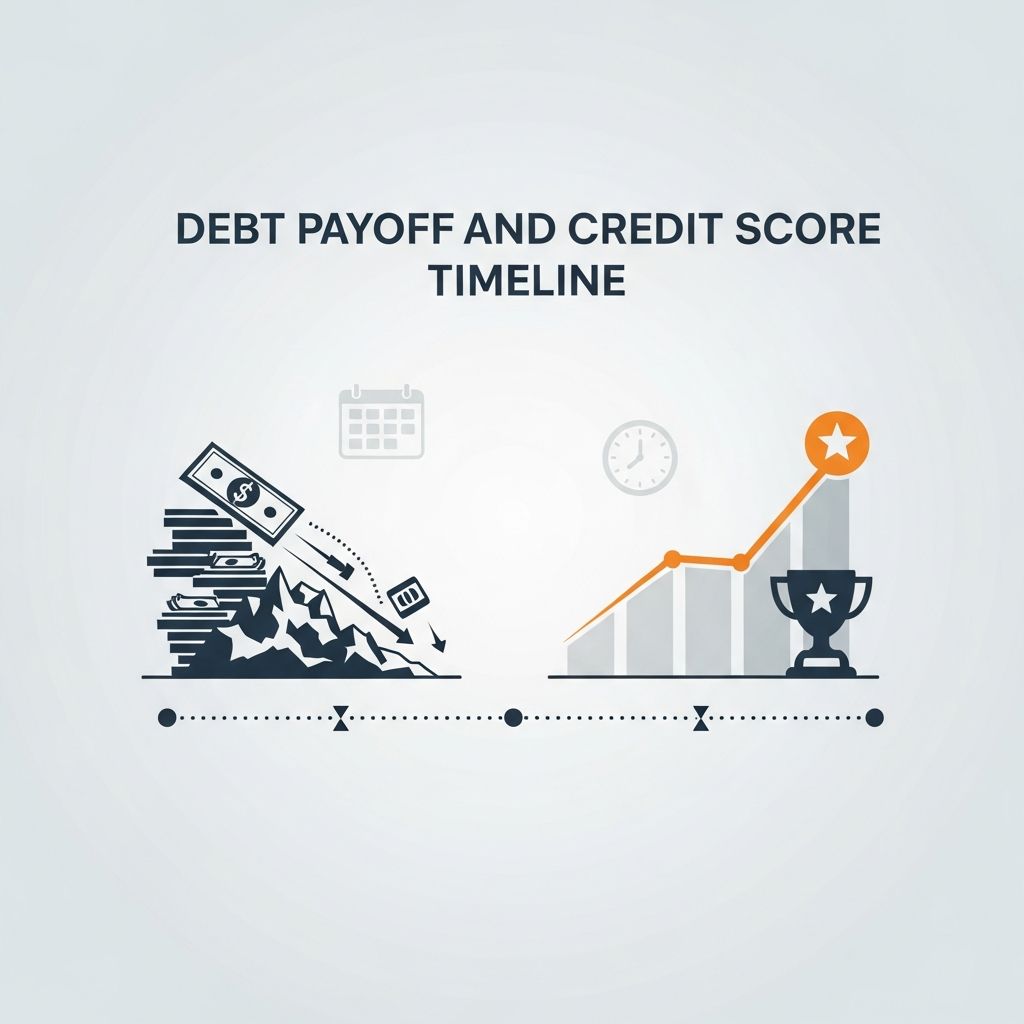
Paying off debt generally leads to credit score improvements over time, though initial changes may take 30 to 45 days as lenders report to bureaus, with noticeable gains often appearing in 3 to 6 months of consistent positive behavior.
Understanding the Initial Credit Score Reaction
When you clear a debt, your credit score might not jump immediately and could even decline temporarily. This occurs because credit scoring models evaluate multiple factors beyond just debt balances. For instance, eliminating an installment loan like a car payment can alter your
credit mix
, reducing the variety of account types lenders prefer to see.Credit utilization, which measures revolving debt against available credit limits, typically improves when credit card balances drop, positively impacting 30% of your FICO score. However, closing paid-off accounts raises utilization if limits shrink, potentially offsetting gains. Average credit age may also shorten if older accounts close, affecting another scoring component.
| Factor | Impact After Payoff | Weight in FICO |
|---|---|---|
| Payment History | Neutral to positive (shows responsibility) | 35% |
| Credit Utilization | Often improves (lower balances) | 30% |
| Credit Mix | May worsen (fewer account types) | 10% |
| Amounts Owed | Positive (less debt overall) | 30% |
| New Credit/Length of History | Possible dip (shorter average age) | 15% combined |
Sources confirm these dynamics: paying off revolving debt usually boosts scores faster than installment debt, but overall profile matters most.
Timeline for Observable Improvements
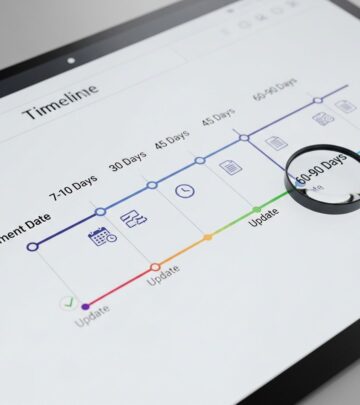
Expect the first updates 30 to 45 days post-payoff, as the three major bureaus—Equifax, Experian, TransUnion—receive creditor data monthly. Short-term, within 1-3 months, utilization-driven gains emerge if cards remain open. By 3-6 months, sustained on-time payments amplify progress, though past negatives linger.
- 1 Month: Initial reporting; minor shifts possible.
- 3 Months: Utilization benefits solidify; early uptick if history clean.
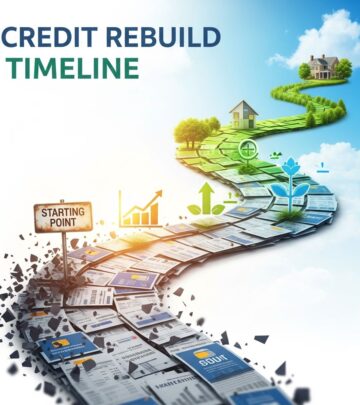
- 6-12 Months: Significant recovery with positive habits.
- 7 Years: Most negatives (e.g., collections) age off reports.
Collections paid off rarely boost scores immediately per FICO, as the delinquency mark persists up to 7 years, but it prevents further damage like lawsuits.
Why Scores Sometimes Drop Post-Payoff
A common surprise is a score dip after payoff. Paying off your sole installment loan disrupts credit mix (10% of score), while closing revolving accounts spikes utilization. For example, zeroing a card then closing it halves available credit, pushing utilization over the ideal 30% threshold.
High pre-payoff scores amplify drops, as deviations hit harder from a strong baseline. Debt settlement exacerbates this, marking accounts as “settled for less” for 7 years, often dropping scores 100-200 points initially.
Accelerating Credit Recovery Post-Debt
To speed rebuilding, prioritize habits that lenders value. Payment history (35% of FICO) reigns supreme—automate bills to ensure 100% on-time reporting.
- Keep paid cards open at low/no balances to preserve limits and history.
- Maintain utilization under 30%; pay cards multiple times monthly if needed.
- Dispute errors via AnnualCreditReport.com weekly checks.
- Avoid new applications to prevent hard inquiries (10% impact).
- Build positive history with secured cards or credit-builder loans if thin file.
Nonprofit counseling via NFCC.org offers debt management plans blending payments across creditors for lower rates, aiding steady improvement without settlement harm.
Comparing Debt Payoff Strategies
| Method | Initial Score Impact | Recovery Time | Long-Term Benefit |
|---|---|---|---|
| Full Payoff (Revolving) | Usually + | 1-3 months | High (utilization drops) |
| Full Payoff (Installment) | Often – (mix/age) | 3-6 months | Medium |
| Debt Settlement | Severe – (100-200 pts) | 6-24 months+ | Low (7-year mark) |
| Management Plan | Minimal | Ongoing | High (timely payments) |
Full payoff trumps alternatives long-term, despite short dips—debt-free status outweighs temporary fluctuations.
Real-World Factors Influencing Speed
Your starting profile dictates pace: strong history recovers faster than profiles with delinquencies. High debt loads yield bigger utilization wins. Multiple paid accounts diversify positives faster.
Monitor via free weekly reports from AnnualCreditReport.com; VantageScore/FICO tools from banks provide estimates. Consistent actions compound: one study notes 100+ point gains possible in 12 months post-rebuild.
Frequently Asked Questions
Does paying off collections boost my score?
Not usually immediately; FICO states it may increase, decrease, or stay flat since the negative history remains up to 7 years. Benefits include stopping interest and legal risks.
Should I close paid-off cards?
No—keep open to maintain limits, age, and mix. Utilization spikes otherwise.
How often do bureaus update?
Every 30-45 days, though some lenders report faster.
Can monthly card payoffs help?
Yes, via perfect history and low utilization, per CFPB.
What’s ideal utilization?
Under 30%, optimally single digits for top scores.
Long-Term Financial Health Beyond Scores
Credit improvement signals broader stability: lower rates save thousands on loans, better job/insurance odds emerge. Pair with emergency funds (3-6 months expenses) and budgeting to prevent re-accumulation. Tools like Wells Fargo’s resources emphasize low debt alongside high scores for holistic plans.
Patience pays—debt payoff invests in future access at favorable terms.
References
- Why Your Credit Scores May Drop After Paying Off Debt — Equifax. 2023. https://www.equifax.com/personal/education/credit/score/articles/-/learn/why-credit-scores-may-drop-after-paying-off-debt/
- Will paying off my credit card balance every month improve my score? — Consumer Financial Protection Bureau (CFPB). 2024-03-15. https://www.consumerfinance.gov/ask-cfpb/will-paying-off-my-credit-card-balance-every-month-improve-my-score-en-1293/
- How Can I Improve My Credit Scores After Having Debt Sent… — National Foundation for Credit Counseling (NFCC). 2024. https://www.nfcc.org/blog/ask-expert-can-improve-credit-score/
- 10 Ways to Rebuild Credit After Consolidating Debt — GreenPath Financial Wellness. 2024-02-20. https://www.greenpath.com/blog/credit/10-ways-to-rebuild-credit/
- Does Paying Off a Debt Increase Your Credit Score? — SoFi. 2024. https://www.sofi.com/learn/content/does-paying-off-a-debt-increase-credit-score/
Similar Articles








Read full bio of medha deb