Debt Mismanagement and Credit Score Risks
Discover how poor debt handling can tank your credit score and learn proven strategies to protect and rebuild your financial standing effectively.
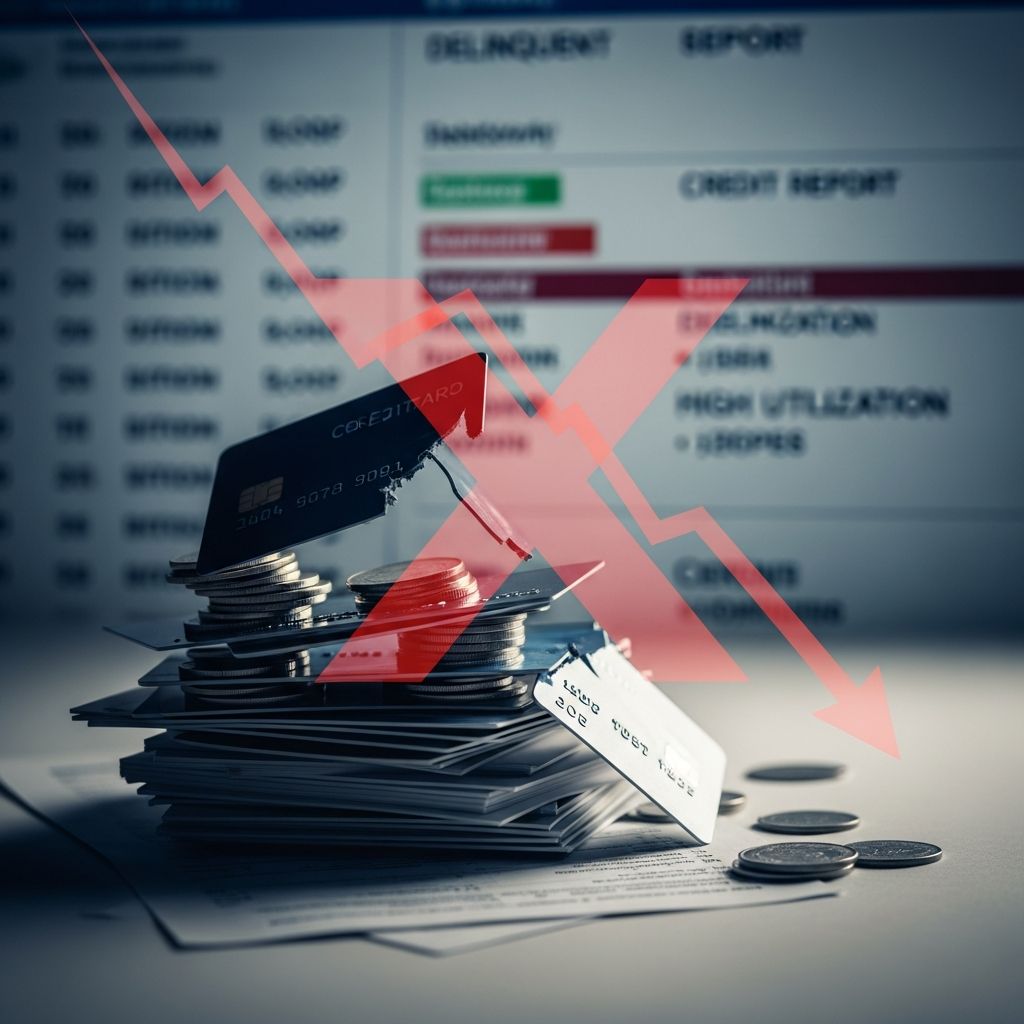
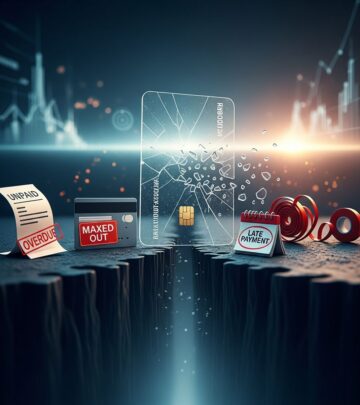
Improperly handling debt can significantly undermine your credit score, a vital metric lenders use to gauge your borrowing reliability. Factors such as excessive balances and late payments directly influence scoring models, potentially leading to higher borrowing costs and limited access to credit.
The Core Components of Credit Scoring
Credit scores, like the widely used FICO model, weigh several elements to assess risk. Understanding these helps explain why debt choices matter so much.
- Payment History (35%): This tracks on-time payments across accounts. Delays signal unreliability to lenders.
- Amounts Owed (30%): Total debt levels, especially relative to limits, indicate financial strain.
- Credit History Length (15%): Longer histories suggest experience managing credit.
- Credit Mix (10%): A blend of revolving and installment debts shows versatility.
- New Credit (10%): Frequent applications can appear desperate.
These weights highlight debt’s outsized role, as high balances amplify perceived risk even with solid payment records.
How Excessive Debt Burdens Credit Utilization
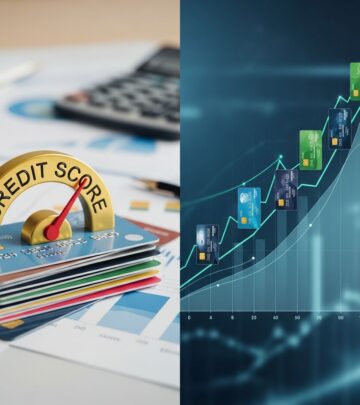
Credit utilization measures revolving debt against available limits, forming a key part of the ‘amounts owed’ category. High ratios suggest overextension, prompting score drops.
Experts recommend keeping utilization under 30% for optimal scores. For instance, on a $10,000 limit, balances above $3,000 raise red flags, as lenders view this as nearing max-out risk.
| Utilization Range | Score Impact | Example |
|---|---|---|
| 0-10% | Highly Positive | $500 on $10,000 limit |
| 10-30% | Neutral to Positive | $2,000 on $10,000 limit |
| 30-50% | Negative | $4,000 on $10,000 limit |
| 50-100% | Severely Negative | $9,000 on $10,000 limit |
Maxing cards doesn’t consider income; it purely signals strain, often leading to immediate score declines.
Installment Debt Dynamics and Score Effects
Unlike revolving credit, installment loans like auto or personal loans assess balance relative to original amounts. High remaining principal indicates slow repayment, hurting scores.
Progressively reducing these balances demonstrates repayment capacity, boosting scores. Conversely, stagnant high balances correlate with future default risks per FICO analysis.
A $20,000 loan with $15,000 owed (75% remaining) weighs heavier than one at 40%, even if payments are current.
The Devastating Toll of Late Payments and Delinquencies
Missing payments is the top score killer. Even one 30-day delay can drop scores by 60-110 points, with effects lingering years.
Delinquencies evolve: 30 days late starts minor damage, escalating at 60, 90 days, and charge-off at 180. Collections further tarnish reports, visible up to seven years.
- Pay on time every month to build positive history.
- Set autopay for minimums to avoid oversights.
- Grace periods exist, but repeated lates compound harm.
Collections, Charge-Offs, and Long-Term Damage
Unpaid debts often enter collections, severely impacting scores. A collection account can subtract 100+ points, signaling severe irresponsibility.
Charge-offs occur after 180 days of nonpayment, where creditors write off the debt but pursue via agencies. These remain on reports seven years from first delinquency, hindering approvals.
Bankruptcies, the ultimate fallout, stay 10 years (Chapter 7) or 7 years (Chapter 13), rebuilding requires disciplined habits post-discharge.
Unexpected Score Changes After Debt Paydown
Paying off debt usually helps, but surprises occur. Closing installment accounts reduces credit mix diversity, temporarily dipping scores.
Eliminating revolving debt lowers utilization positively, yet closing cards shrinks total limits, potentially raising ratios elsewhere. Scores recalculate monthly as bureaus update.
Improvements appear 30-45 days post-payoff, outweighing short dips long-term.
Strategies to Safeguard Your Score Amid Debt
Proactive steps mitigate mismanagement risks:
- Monitor Utilization: Pay balances before statements close.
- Diversify Debt Types: Balance revolving and installment responsibly.
- Automate Payments: Prevent lates entirely.
- Request Limit Increases: Lowers utilization without new debt (if approved).
- Debt Snowball/Avalanche: Prioritize high-interest or small balances first.
No debt isn’t harmful if activity persists; use cards lightly and pay off monthly for top scores.
Rebuilding Credit After Debt Missteps
Recovery demands time and consistency. Start with secured cards or credit-builder loans to reestablish history.
Dispute errors on reports via Equifax, Experian, TransUnion. FICO scores reward gradual utilization drops and perfect payments.
Timeline: Minor issues recover in months; severe ones take years. Patience yields 700+ scores possible debt-free.
Real-World Debt Pitfalls to Avoid
Common errors include payday loans with 400% APRs, leading to cycles; home equity misuse risking foreclosure; and co-signing without repayment plans.
Cash advances accrue immediate interest, ballooning balances. Always calculate total costs before borrowing.
Frequently Asked Questions
Can high debt with on-time payments still hurt my score?
Yes, via utilization and mix. Balances matter independently of payments.
How quickly does debt payoff reflect in scores?
Typically 30-45 days after creditor reports.
Is zero debt bad for credit?
No, if accounts stay active with payments.
What utilization is ideal?
Under 30%, ideally 1-10%.
Do collections ever drop off early?
Rarely; they age off after seven years.
Key Takeaways for Financial Resilience
Debt mismanagement erodes credit through utilization spikes, payment lapses, and derogatory marks. Prioritize low utilization, timely payments, and mix balance for resilience. Regular monitoring via free reports empowers control, turning potential crises into managed finances.
References
- How Owing Money Can Impact Your Credit Score — myFICO. 2023. https://www.myfico.com/credit-education/credit-scores/amount-of-debt
- Managing Debt & How It Affects Your Credit Score — SharePoint Credit Union. 2024. https://www.sharepointcu.com/resources/blog/managing-debt-and-how-it-affects-your-credit-score
- How credit card debt affects your credit score — MMBB. 2022-06-01. https://www.mmbb.org/resources/e-newsletter/2022/june/how-credit-card-debt-affects-your-credit-score
- Why Your Credit Scores May Drop After Paying Off Debt — Equifax. 2024. https://www.equifax.com/personal/education/credit/score/articles/-/learn/why-credit-scores-may-drop-after-paying-off-debt/
- Is Having No Debt Bad for My Credit Score? — Experian. 2024. https://www.experian.com/blogs/ask-experian/is-having-no-debt-bad-for-credit-score/
- Understanding debt & credit scores — American Medical Association. 2023. https://www.ama-assn.org/medical-residents/medical-residency-personal-finance/understanding-debt-credit-scores
- FICO Fact: You Can Have No Debt and a High Credit Score! — FICO. 2023. https://www.fico.com/blogs/fico-fact-you-can-have-no-debt-and-high-credit-score
Similar Articles








Read full bio of Sneha Tete