Debt Delinquency Explained
Understand when debt turns delinquent, its stages, credit effects, and recovery steps to protect your financial future.
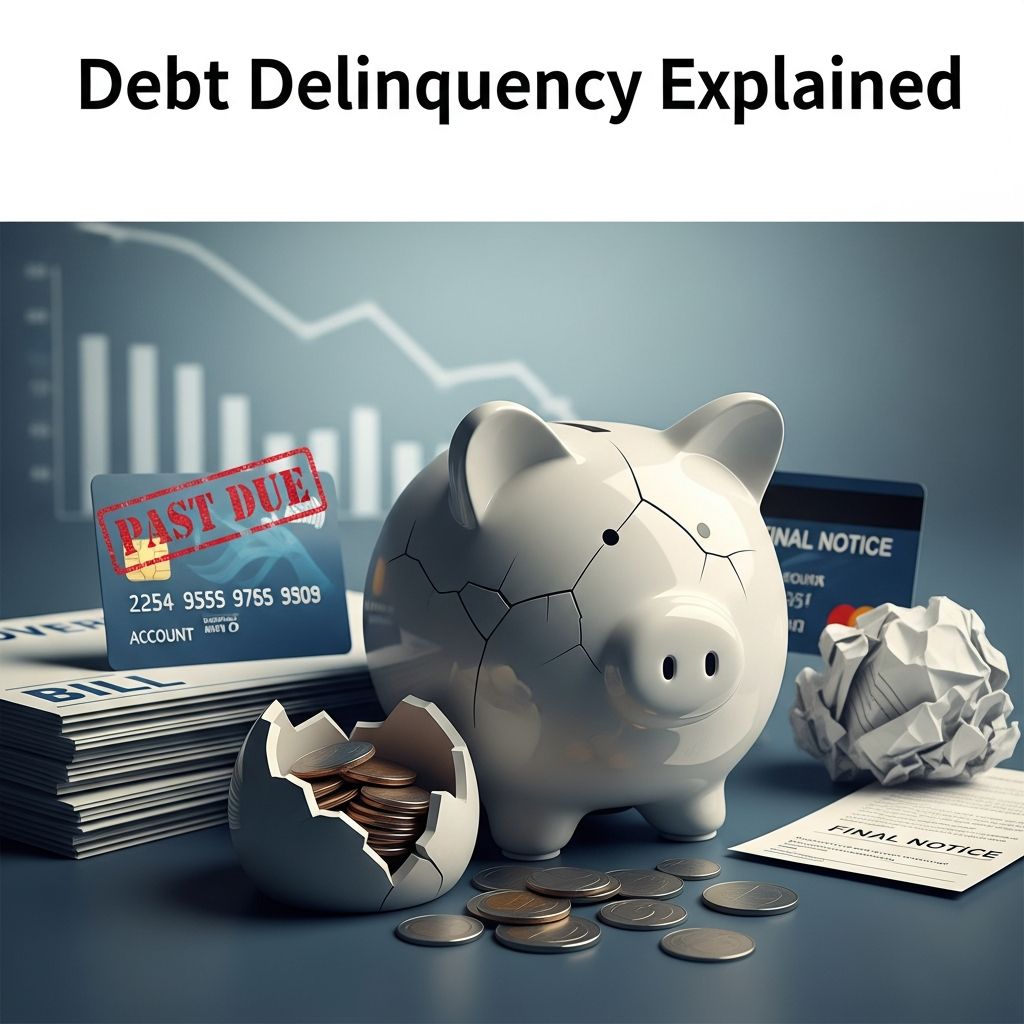
Debt delinquency occurs the moment a payment on any financial obligation surpasses its due date without being settled. This initial lapse triggers a series of consequences that can escalate if not addressed promptly.
Defining Delinquent Debt Across Financial Products
Any form of borrowing can fall into delinquency status when payments miss their deadlines. Common examples encompass mortgages, vehicle financing, educational loans, revolving credit accounts, and unsecured personal borrowings. Creditors universally classify an account as delinquent starting the day after the payment was due, though grace periods may apply in select cases.
For instance, revolving credit like credit cards often imposes immediate delinquency upon missing the minimum due amount. Secured debts such as home loans might offer a brief window before formal notices, but the status activates regardless.
Timeline of Delinquency Progression
Delinquency unfolds in phases, each marked by heightened creditor actions and potential credit bureau notifications. Here’s a breakdown:
- Day 1 Past Due: Account enters delinquency. Late fees may accrue, but credit reports remain unaffected initially.
- 30 Days Late: Most lenders report to major credit bureaus, initiating visible damage to credit profiles. Penalty rates, like elevated APRs on cards, often activate.
- 60-90 Days Late: Internal collection departments engage, offering workout plans or forbearance. Continued non-payment risks charge-off status.
- 90-180 Days Late: Lenders may write off the debt as a loss, transferring it to external collectors. This adds a charge-off notation, severely harming scores.
- Beyond 180 Days: Potential default declaration, paving the way for lawsuits or asset repossession depending on loan security.
Timelines vary by debt type. Federal student loans, for example, require 270 days of delinquency before default, providing extended remediation opportunities.
Delinquency Versus Default: Key Distinctions
While related, delinquency and default represent different severity levels. Delinquency is the early-stage failure to pay on time, reversible through catch-up payments. Default signifies creditor determination of repayment improbability, often after prolonged delinquency.
| Aspect | Delinquency | Default |
|---|---|---|
| Trigger | Missed payment(s) | Extended delinquency (90-270+ days) |
| Credit Effect | Negative mark, recoverable | Severe, long-term damage |
| Resolution | Pay overdue + fees | Settlement, bankruptcy, or legal |
| Creditor Action | Reminders, penalties | Collections, lawsuits |
Default carries heavier repercussions, including restricted future borrowing and potential wage garnishment.
Immediate Financial Penalties and Costs
Beyond status changes, delinquency incurs direct monetary hits. Late fees typically range from fixed sums ($25-$40) or percentages (3-5% of balance). Credit card issuers apply penalty APRs, sometimes exceeding 29%, inflating balances rapidly.
Utility or rental delinquencies might lead to service cutoffs after notices. Secured debts risk collateral seizure post-default.
Credit Score Ramifications
Payment history dominates credit scoring models (35% of FICO). A 30-day late mark can drop scores by 60-110 points, with longer delinquencies causing steeper declines. Charge-offs and defaults linger 7 years, though impacts fade over time.
Multiple delinquencies compound harm, signaling risk to future lenders. Business debts use metrics like Days Beyond Terms (DBT), where averages over 30 days flag poor habits.
Creditor and Collection Responses
Early delinquency prompts automated reminders and fee assessments. At 60 days, hardship options like payment plans emerge. Post-90 days, third-party agencies pursue recovery, permissible under the Fair Debt Collection Practices Act (FDCPA), which mandates validation notices and bans harassment.
Charge-offs don’t erase debt; they shift it to collectors while the original creditor may still sue.
Strategies to Resolve Delinquent Accounts
Swift action mitigates damage. Contact creditors immediately to negotiate extensions or reduced payments. Options include:
- Payment holidays or deferrals.
- Debt management plans via nonprofits.
- Lump-sum settlements for less than owed.
- Refinancing into favorable terms.
Dispute inaccuracies on reports via bureaus after paying. Goodwill letters may persuade removals for one-off lapses.
Preventing Delinquency Through Proactive Measures
Automation of payments prevents oversights. Budgeting apps track due dates. Build emergency funds covering 3-6 months’ essentials. Prioritize high-interest debts via avalanche or snowball methods.
For businesses, monitor delinquency rates: (Past Due Loans / Total Loans) x 100, adjusting lending criteria accordingly.
Legal Rights and Protections
The FDCPA shields against abusive tactics. Request debt validation within 30 days of collector contact. Statutes of limitations (3-10 years by state) limit lawsuits on old debts. Bankruptcy offers resets but tanks scores.
Long-Term Recovery Post-Delinquency
Rebuild via secured cards, timely payments on new accounts, and low utilization. Scores recover in 1-2 years with consistency. Monitor reports weekly via AnnualCreditReport.com.
Frequently Asked Questions
How soon after missing a payment is debt delinquent?
Typically the next day, though some offer grace periods.
Does delinquency always lead to default?
No, prompt resolution halts progression.
Can I remove delinquent marks from my credit report?
Possible via disputes, payments, or goodwill requests; accurate info stays 7 years.
What if a collector contacts me?
Verify debt, know rights under FDCPA.
How does delinquency affect business credit?
Tracked as DBT, influencing vendor terms.
References
- What is Delinquent Debt? – JG Wentworth — JG Wentworth. 2023. https://www.jgwentworth.com/resources/what-is-delinquent-debt
- Delinquent Loans vs. Defaults: Definitions, Differences, and What Borrowers Should Know — FinanceOps.ai. 2024. https://financeops.ai/blogs/delinquent-loans-vs-defaults-definitions-differences-and-what-borrowers-should-know
- Delinquency Rate: Definition, Formula, and Tracking — Shepherd Outsourcing Services. 2023. https://www.shepherdoutsourcingservices.com/blog/delinquency-rate-definition-formula-tracking
- What is delinquent debt & how to fix it on credit report? — HighRadius. 2024. https://www.highradius.com/resources/Blog/what-is-delinquent-debt-and-how-to-fix-it-on-credit-report/
- What Is a Delinquent Loan? — Leaders in Law. 2023. https://www.leaders-in-law.com/what-is-a-delinquent-loan/
- What Is A Delinquent Account? — Bankrate. 2025-03-15. https://www.bankrate.com/personal-finance/debt/what-is-a-delinquent-account/
Similar Articles








Read full bio of Sneha Tete