Debt Consolidation: Weighing Benefits and Risks
Explore how debt consolidation can simplify payments and cut costs, but understand the potential pitfalls before deciding if it's right for your finances.

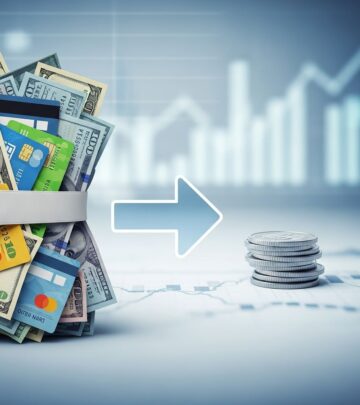
Debt consolidation involves taking out a new loan to pay off multiple existing debts, typically high-interest credit cards or personal loans, resulting in a single monthly payment. This strategy aims to streamline finances but requires careful evaluation of its advantages and disadvantages.
Understanding the Basics of Debt Consolidation
At its core, debt consolidation replaces various debts with one manageable obligation. Borrowers often use personal loans, balance transfer cards, or home equity options for this purpose. The appeal lies in potentially securing a lower interest rate than the average of original debts, which commonly exceed 20% for credit cards.
For instance, individuals with $10,000 in credit card debt at 24% APR might consolidate into a personal loan at 10% APR, drastically reducing interest costs over time. This process demands good credit for favorable terms, as lenders assess creditworthiness before approval.
Key Advantages of Consolidating Your Debts
One primary benefit is the simplification of bill payments. Instead of tracking multiple due dates and amounts, a single payment reduces oversight errors and late fees.
- Streamlined Budgeting: A unified payment fits easily into monthly budgets, minimizing stress from juggling finances.
- Interest Savings: Qualifying for rates below 15% on consolidated loans can save thousands compared to 25%+ credit card rates.
Another upside is accelerating debt payoff. With savings from lower rates, extra payments toward principal shorten the repayment period. For example, dropping from $500 to $445 monthly on a $9,000 balance at reduced rates allows maintaining $500 payments to finish sooner.
Consolidation can also rehabilitate credit profiles. Paying off past-due accounts halts negative reporting impacts, and consistent on-time payments bolster payment history, which comprises 35% of FICO scores.
| Benefit | Description | Potential Impact |
|---|---|---|
| Lower Rates | Switch from high-APR cards to fixed-rate loans | Save $2,000+ in interest over 2-3 years |
| Single Payment | One bill replaces many | Fewer missed payments, better credit |
| Faster Payoff | Redirect savings to principal | Debt-free months or years earlier |
| Credit Improvement | Resolve delinquencies | Score boost via utilization drop |
Potential Drawbacks and Hidden Costs
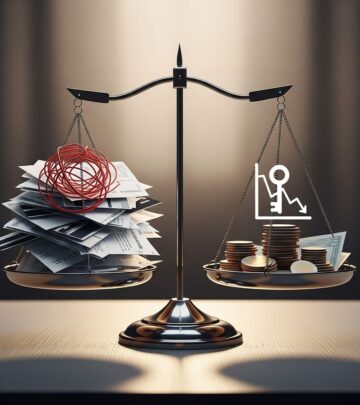
Despite attractions, debt consolidation isn’t risk-free. Upfront fees, such as origination charges of 1-8% on loans, add to the total cost.
Qualification hurdles exist; poor credit may lead to denials or high rates negating savings. Lenders favor scores above 670 for prime offers.
- Temptation to Overspend: Closing paid cards or freeing credit limits might encourage new borrowing, worsening debt cycles.
- Credit Score Dips: New inquiries and account closures temporarily lower scores by increasing utilization or shortening history.
Missing payments on the new loan harms credit more severely, as it’s now a larger obligation. Longer terms, while easing monthly burdens, extend interest accrual.
Types of Debt Consolidation Options
Several methods suit different situations. Personal loans offer fixed terms and rates, ideal for unsecured debt payoff.
Balance transfer cards provide 0% introductory APRs for 12-21 months, perfect for short-term strategies if balances clear before promo ends.
Home equity loans or HELOCs leverage property for low rates but risk foreclosure if defaults occur—best for homeowners with equity.
Debt management plans through nonprofits coordinate payments at reduced rates without new loans, though they require closing cards.
Is Debt Consolidation Suitable for You?
Candidates include those with good credit, multiple high-rate debts, and discipline to avoid new charges. It’s less ideal for maxed-out credit or inability to secure better terms.
Calculate potential savings: Compare total interest on current debts versus consolidated option. Tools from lenders help simulate scenarios.
Alternatives like debt avalanche (high-interest payoff first) or snowball (smallest balances first) may suffice without new debt.
Steps to Pursue Debt Consolidation Safely
- Review Debts: List balances, rates, minimums to gauge consolidation viability.
- Check Credit: Pull free reports from AnnualCreditReport.com for accuracy.
- Shop Rates: Prequalify with banks, credit unions, online lenders without hard inquiries.
- Read Terms: Scrutinize fees, APRs, penalties.
- Commit to Change: Cut spending, build emergency funds post-consolidation.
Frequently Asked Questions
Does debt consolidation hurt your credit score?
Short-term dips occur from inquiries and closures, but long-term gains from lower utilization and on-time payments often outweigh this.
How long does it take to see savings?
Immediate with lower payments; full interest savings unfold over the loan term, potentially years.
Can I consolidate all debt types?
Typically unsecured like cards and medical; secured debts like mortgages require specialized options.
What if I have bad credit?
Options dwindle; secured loans or peer-to-peer might work, but rates stay high.
Is it better than bankruptcy?
Often yes, preserving credit and assets, but bankruptcy discharges debt faster in severe cases.
Long-Term Financial Strategies Post-Consolidation
Success demands habits like tracking expenses via apps, automating payments, and building savings equaling 3-6 months’ costs. Credit counseling from NFCC.org affiliates provides free guidance.
Monitor progress quarterly; refinance if rates drop. Aim for under 30% credit utilization for optimal scores.
Debt consolidation shines as a tool within broader plans including income boosts and expense cuts. Pairing it with these elevates financial stability.
References
- The Pros and Cons of Debt Consolidation — NerdWallet. 2023. https://www.nerdwallet.com/personal-loans/learn/pros-and-cons-debt-consolidation
- Does Debt Consolidation Hurt Your Credit? — myFICO. 2024. https://www.myfico.com/credit-education/credit-scores/does-debt-consolidation-hurt-your-credit
- What Is Debt Consolidation? What You Need to Know in 2026 — MyFSBOnline. 2026-01-15. https://www.myfsbonline.com/education/financial-wellness/consolidate-debt
- Debt Consolidation: Does it Hurt Your Credit? — Equifax. 2024. https://www.equifax.com/personal/education/debt-management/articles/-/learn/what-is-debt-consolidation/
- Pros and Cons of Debt Consolidation — Experian. 2025-02-10. https://www.experian.com/blogs/ask-experian/pros-and-cons-of-debt-consolidation/
Similar Articles








Read full bio of Sneha Tete