Debt Consolidation Loans vs. Debt Management: Key Differences
Explore how debt consolidation loans and debt management programs differ in costs, credit impact, and effectiveness for tackling high-interest debt.
Navigating overwhelming debt requires smart strategies like
debt consolidation loans
ordebt management programs
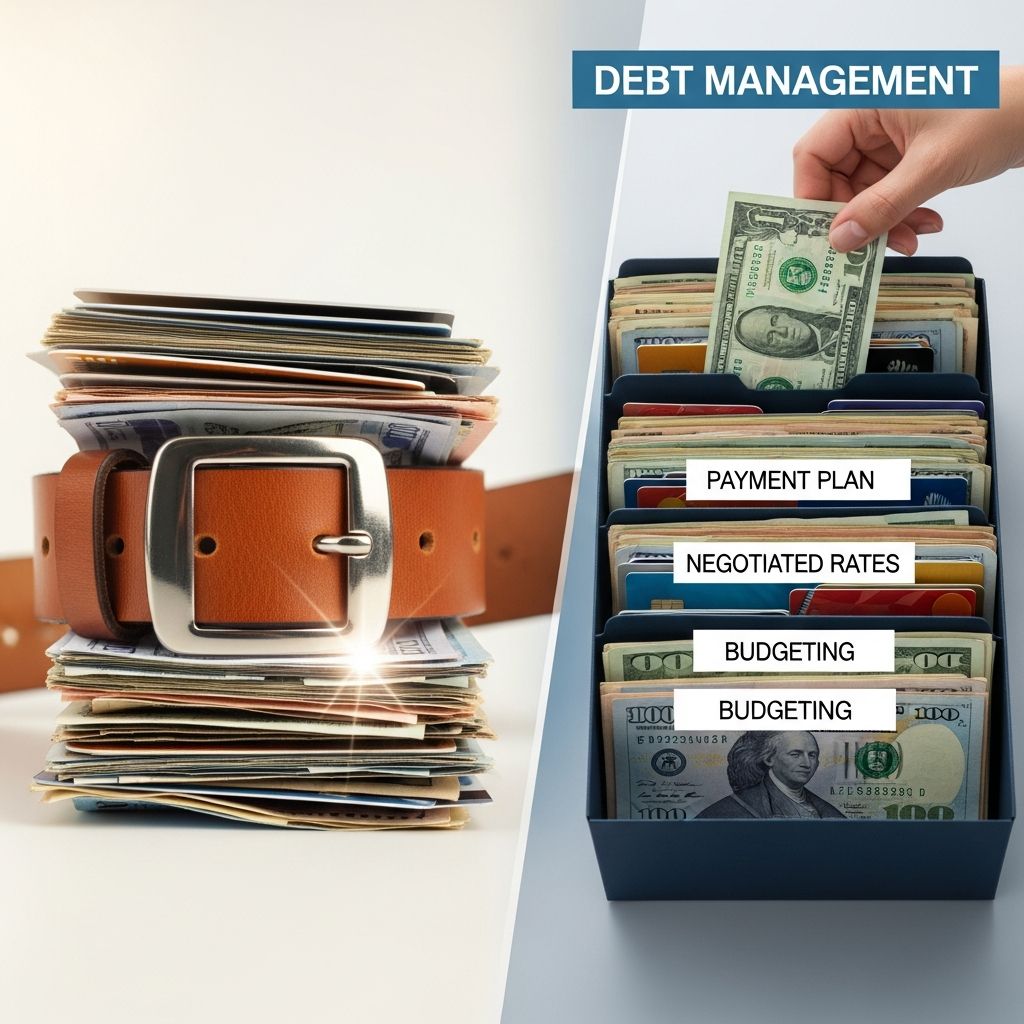
. Loans combine debts into one payment with potentially lower rates, while programs negotiate terms through counseling agencies. Choosing depends on credit score, debt amount, and spending habits.Understanding Debt Consolidation Loans
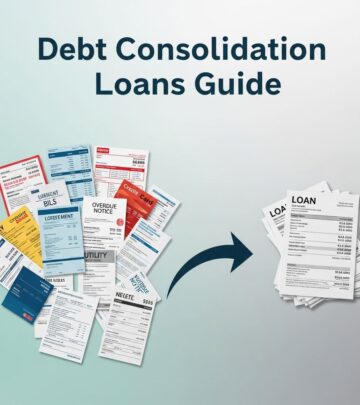
Debt consolidation loans allow borrowers to pay off multiple debts, such as credit cards or medical bills, with a single new loan. This approach streamlines payments and can reduce interest costs if qualifying rates are favorable. Typically unsecured personal loans, they offer fixed terms from 12 to 60 months, making budgeting predictable.
Eligibility hinges on creditworthiness. Lenders assess FICO scores, income stability, and debt-to-income ratios. Strong profiles (scores above 670) secure rates around 6-12%, far below average credit card APRs of 20%+.
- Combine various unsecured debts into one account.
- Fixed monthly payments simplify tracking.
- Potential to shorten payoff timeline with savings.
How Debt Management Programs Operate
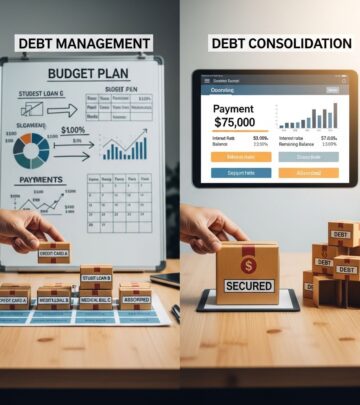
Debt management programs (DMPs), offered by nonprofit credit counseling agencies, involve enrolling debts into a structured plan. Counselors negotiate lower interest rates (often 5-10%) and waive fees with creditors, then you make one monthly deposit to the agency for distribution.
These programs suit those unable to qualify for loans due to fair or poor credit. No new debt is taken; instead, focus shifts to repayment without additional borrowing. Enrollment usually lasts 3-5 years, emphasizing financial education alongside debt payoff.
- Creditor negotiations for reduced rates and fees.
- Single payment to agency handles distributions.
- Includes budgeting workshops and spending guidance.
Comparing Costs and Fees
Costs vary significantly between options. Consolidation loans often include origination fees (1-8% of loan amount), potentially adding hundreds upfront. Balance transfer cards, another consolidation method, charge 3-5% transfer fees.
DMPs feature setup fees ($25-50) and monthly maintenance ($20-50), totaling $300-600 over the program, but these are often lower than loan fees. Creditors may cover some costs, making DMPs more accessible for lower-income individuals.
| Aspect | Debt Consolidation Loan | Debt Management Program |
|---|---|---|
| Average Fees | 1-8% origination + closing | $25 setup + $20-50/month |
| Interest Rates | 6-36% based on credit | 5-10% negotiated |
| Total Cost Savings Potential | High if low rate secured | Consistent via negotiations |
Impact on Credit Scores
Loans create a hard inquiry and may temporarily drop scores by 5-10 points due to new debt on record. On-time payments then boost scores by reducing credit utilization below 30%. Closing old accounts can shorten credit history, a minor negative.
DMPs signal financial distress to future lenders, potentially hurting scores initially. However, consistent payments improve payment history (35% of FICO score). Equifax notes consolidation doesn’t inherently harm credit if managed well.
Pros and Cons of Each Approach
Advantages of Debt Consolidation Loans
- **Interest Savings**: Secure rates below credit card averages, e.g., 17% vs. 25% on $9,000 debt saves $820 over two years.
- **Faster Payoff**: Fixed terms encourage aggressive repayment.
- **Credit Building**: On-time payments diversify credit mix.
- **Flexibility**: Funds used freely after payoff.
Drawbacks of Debt Consolidation Loans
- High rates for poor credit (up to 36%).
- Fees erode savings.
- Risk of re-accumulating debt on freed credit lines.
- Temptation to extend terms, increasing total interest.
Advantages of Debt Management Programs
- Accessible regardless of credit score.
- Structured support prevents new debt.
- Fee waivers and rate reductions from creditors.
- Educational resources address root causes.
Drawbacks of Debt Management Programs
- Longer timelines (48 months average).
- Enrollment closes credit accounts, raising utilization temporarily.
- Agency fees add costs.
- Not all creditors participate.
Qualification Criteria and Eligibility
Loans demand good credit (670+ FICO), stable income, and low debt-to-income (under 40%). Bad credit applicants face denials or predatory terms. DMPs require proof of hardship, minimum unsecured debt ($7,500+), and commitment to close cards.
NerdWallet highlights loans favor excellent credit for optimal rates, while DMPs serve broader audiences.
Real-World Scenarios: Which Fits Best?
For someone with $15,000 credit card debt at 22% APR and 720 FICO, a consolidation loan at 10% over 36 months cuts interest from $8,000 to $2,500. DMP might negotiate 8% but extend to 48 months.
Poor credit (550 FICO) with same debt? DMP negotiates rates without new credit check, ideal if spending discipline lacks.
Steps to Choose the Right Path
- Calculate total debt, rates, minimum payments.
- Check credit score via AnnualCreditReport.com.
- Compare loan pre-approvals vs. counseling quotes.
- Project total costs using calculators.
- Commit to budget: Track expenses, cut non-essentials.
Frequently Asked Questions (FAQs)
Does debt consolidation hurt credit?
Short-term dip from inquiries, but long-term gains from lower utilization and on-time payments.
Can DMPs include all debts?
Primarily unsecured like cards; secured loans (mortgages) ineligible.
Is consolidation better than bankruptcy?
Often yes, avoids public record and retains assets.
How long until debt-free?
Loans: 1-5 years; DMPs: 3-5 years.
What if I miss payments?
Loans: Late fees, score damage. DMPs: Possible exit, resumed original terms.
Alternatives to Consider
Debt snowball/avalanche methods payoff without new debt. Balance transfers offer 0% intro periods. Home equity loans risk assets but provide low rates for qualified borrowers.
U.S. Bank advises consolidation only with spending control.
References
- Pros and cons of debt consolidation: Is it a good idea? — Bankrate. 2023-10-15. https://www.bankrate.com/personal-finance/debt/pros-and-cons-of-debt-consolidation/
- The Pros and Cons of Debt Consolidation — NerdWallet. 2024-02-20. https://www.nerdwallet.com/personal-loans/learn/pros-and-cons-debt-consolidation
- Is Debt Consolidation a Good Idea? — Freedom Mortgage. 2023-05-10. https://www.freedommortgage.com/learn/refinancing/debt-consolidation-good-idea
- Does Debt Consolidation Hurt Your Credit? — myFICO. 2024-01-08. https://www.myfico.com/credit-education/credit-scores/does-debt-consolidation-hurt-your-credit
- Using Personal Loans for Debt Consolidation: Pros and Cons — Lancaster Country Club FCU. 2023-11-12. https://www.lancofcu.com/blog/personal-loans-for-debt-consolidation-pros-cons/
- Pros and Cons of Debt Consolidation — Experian. 2024-03-05. https://www.experian.com/blogs/ask-experian/pros-and-cons-of-debt-consolidation/
- Debt Consolidation: Pros and Cons — Chevron Credit Union. 2023-09-18. https://www.ccfcu.org/debt-consolidation-pros-and-cons/
Similar Articles








Read full bio of medha deb