Debt Consolidation Loans: Smart Choice?
Explore if consolidating debts into one loan can save you money, simplify payments, and boost credit—or if it risks deeper trouble.

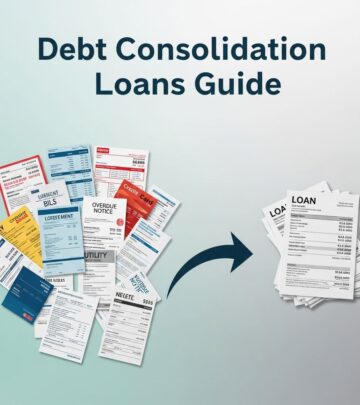
Debt consolidation loans combine various high-interest debts, like credit cards or medical bills, into one manageable payment with potentially lower rates. This approach can streamline finances but carries risks if not handled properly.
What Exactly Is a Debt Consolidation Loan?
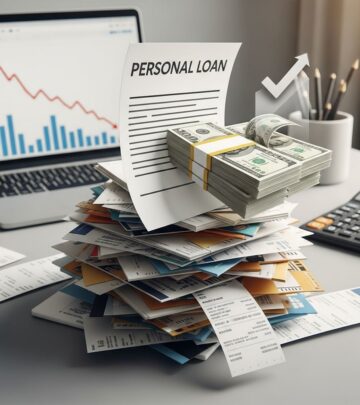
A debt consolidation loan is an unsecured personal loan used to pay off multiple existing debts. Instead of juggling several bills with varying due dates and rates, borrowers receive funds from the lender to clear those balances, then repay the new loan in fixed installments. Average personal loan rates stand at 12.27% as of March 2026, far below the 19.58% average for credit cards. This gap makes consolidation appealing for those with decent credit.
Unlike secured options like home equity loans, these are typically unsecured, relying on your creditworthiness. Terms range from 2-7 years, with loan amounts up to $50,000 depending on the lender and borrower profile. The goal: reduce total interest paid and simplify budgeting.
Key Advantages of Consolidating Your Debt
Consolidation offers tangible benefits, especially for disciplined borrowers. Here’s a breakdown:
- Potential Interest Savings: Qualifying for rates below your current debts cuts costs significantly. For $9,000 at 25% APR with $500 monthly payments, you’d pay $2,500 in interest over two years. A 17% consolidation loan drops payments to $445 and saves $820.
- Single Payment Streamlines Life: Track one due date instead of many, reducing oversight errors and late fees.
- Fixed Schedule Aids Budgeting: Predictable payments align with income, unlike variable credit card minimums.
- Faster Payoff Possible: Lower rates free up cash to attack principal aggressively, shortening the timeline.
- Credit Score Improvements: Paying off revolving debt lowers utilization (30% of FICO score), and on-time payments build positive history.
| Benefit | Impact Example |
|---|---|
| Lower Rate | 19.58% card → 12.27% loan |
| Utilization Drop | From 80% to 30%, boosting score |
| Payment Simplicity | 5 bills → 1 bill |
Significant Drawbacks to Watch For
Not all scenarios favor consolidation. Poor choices can worsen finances:
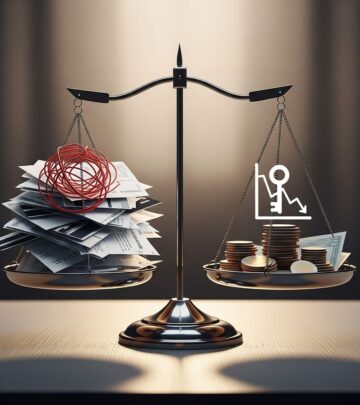
- Higher Rates for Weak Credit: Low scores (below 670) often yield rates above current debts, erasing savings.
- Upfront and Hidden Fees: Origination (1-8%), balance transfer, or prepayment penalties add costs.
- Extended Terms Increase Total Interest: A 5-year loan at lower rate might cost more overall than aggressive 2-year payoffs.
- Risk of New Debt: Cleared cards tempt overspending, doubling balances quickly.
- Credit Dings from Inquiries: Hard pulls temporarily drop scores 5-10 points; missed payments devastate them.
Secured consolidations, like home equity loans, risk asset loss if defaults occur.
Who Qualifies and How to Check Readiness
Lenders prioritize credit scores above 670, debt-to-income (DTI) under 36%, and stable income. Fair credit options exist but at higher rates.
Assess Your Fit:
- Calculate total debt and minimum payments.
- Compare offers using prequalification (soft pulls).
- Ensure new payment fits budget without lifestyle cuts.
- Commit to no new credit during repayment.
Use online calculators to project savings. If rates don’t beat current APRs by 3-5%, skip it.
Steps to Secure a Debt Consolidation Loan
- Review Credit Report: Fix errors via AnnualCreditReport.com.
- Prequalify with Lenders: Compare 3-5 offers from banks, credit unions, online lenders.
- Choose Best Terms: Prioritize lowest APR, minimal fees, short term.
- Apply and Pay Off Debts: Direct funds to creditors immediately.
- Close Old Accounts: Or remove cards to avoid temptation.
- Automate Payments: Set up autopay for on-time history.
Alternatives When Loans Aren’t Ideal
Not ready for a loan? Consider these:
| Method | Best For | Pros | Cons |
|---|---|---|---|
| Debt Snowball | Motivation via quick wins | Psychological boost | Higher total interest |
| Debt Avalanche | Math-focused savers | Minimizes interest | Slower visible progress |
| Balance Transfer Cards | Good credit, short-term | 0% intro APR up to 21 months | 3-5% fee, high post-promo rate |
| Credit Counseling | Overwhelmed budgets | Negotiated rates, plans | Fees, closed accounts |
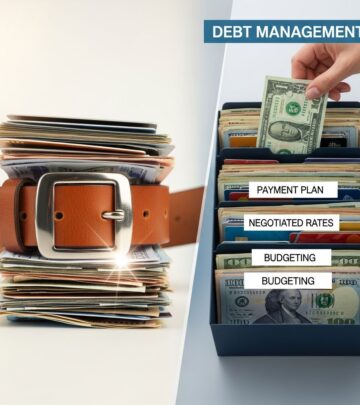
Debt management plans via nonprofits like NFCC lower rates without new loans.
Real Impact on Your Credit Score
Short-term: New inquiry and closed accounts may dip score slightly. Long-term: Lower utilization and perfect payments raise it. FICO data shows consolidation often nets positive if managed well. Credit mix (10% of score) shifts from revolving to installment, potentially helping.
Common Pitfalls and How to Avoid Them
- Treat as Fresh Start: Cut up cards post-payoff.
- Budget Ruthlessly: Track expenses with apps like Mint.
- Don’t Extend Terms Unnecessarily: Shorter = less interest.
- Monitor Progress: Monthly reviews ensure trajectory.
Frequently Asked Questions
Will a debt consolidation loan hurt my credit?
Possibly short-term due to inquiries, but long-term benefits usually outweigh if payments are on time.
Is it better than bankruptcy?
Yes, avoids severe credit damage (10 years) and collections.
Can I consolidate with bad credit?
Options exist but at higher rates; improve score first or explore counseling.
How much can I save?
Varies; good credit savers see 5-10% APR drops, thousands in interest.
What if I miss a payment?
Late fees and score drops; build emergency fund covering 3-6 months.
Final Thoughts for Financial Freedom
Debt consolidation shines for those securing lower rates, committing to budgets, and avoiding new debt. Run numbers, shop rates, and align with goals. When executed right, it paves the path to debt-free living faster.
References
- Pros and cons of debt consolidation: Is it a good idea? — Bankrate. 2026-03 (approx). https://www.bankrate.com/personal-finance/debt/pros-and-cons-of-debt-consolidation/
- The Pros and Cons of Debt Consolidation — NerdWallet. Recent update. https://www.nerdwallet.com/personal-loans/learn/pros-and-cons-debt-consolidation
- Does Debt Consolidation Hurt Your Credit? — myFICO. Ongoing. https://www.myfico.com/credit-education/credit-scores/does-debt-consolidation-hurt-your-credit
- Pros and Cons of Consolidating Your Debt — Old National Bank. Recent. https://www.oldnational.com/resources/insights/pros-and-cons-of-consolidating-your-debt/
- Pros and Cons of Debt Consolidation — Experian. Recent. https://www.experian.com/blogs/ask-experian/pros-and-cons-of-debt-consolidation/
- Using Personal Loans for Debt Consolidation: Pros and Cons — Lanco FCU. Recent. https://www.lancofcu.com/blog/personal-loans-for-debt-consolidation-pros-cons/
- Debt Consolidation: Does it Hurt Your Credit? — Equifax. Ongoing. https://www.equifax.com/personal/education/debt-management/articles/-/learn/what-is-debt-consolidation/
Similar Articles








Read full bio of medha deb