Debt Consolidation and Credit Scores
Explore how consolidating debts can strategically boost your credit score through better management and timely payments.

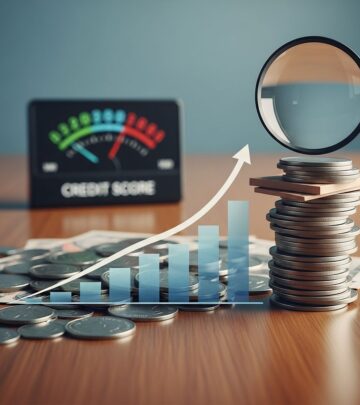
Debt consolidation merges multiple debts into a single payment, often leading to improved credit scores over time through disciplined repayment. While initial effects may cause temporary dips, consistent management typically results in net gains for most individuals.
Understanding Debt Consolidation Basics
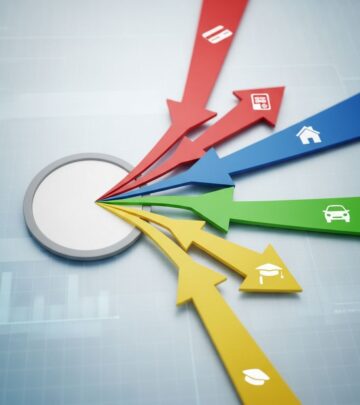
Debt consolidation involves taking out a new loan or credit product to pay off existing debts, replacing various payments with one manageable installment. Common options include personal loans, balance transfer cards, or home equity loans. This approach aims to lower interest rates and streamline finances, but its success hinges on how it interacts with key credit scoring factors.
Financial experts note that responsible use can simplify budgeting and reduce overall debt burden. For instance, high-interest credit card balances often get refinanced into lower-rate installment loans, freeing up monthly cash flow. However, the process isn’t risk-free and requires careful planning to maximize benefits.
Key Factors Influencing Your Credit Score
Credit scores, such as FICO or VantageScore, rely on several components. Payment history weighs 35-40%, credit utilization 30%, length of credit history 15%, new credit 10%, and credit mix 10%. Debt consolidation primarily affects utilization, payment history, new credit, and mix.
- Payment History: Tracks on-time payments, the largest factor.
- Credit Utilization: Ratio of used to available credit; under 30% is ideal.
- New Credit: Recent inquiries and accounts.
- Credit Mix: Variety of revolving and installment debts.
Short-Term Effects on Your Credit
Applying for consolidation triggers a hard inquiry, typically dropping scores by 5-10 points temporarily. Opening the new account further shortens average account age, another minor hit. Closing paid-off cards reduces available credit, spiking utilization if not managed.
| Short-Term Impact | Credit Factor Affected | Typical Score Change |
|---|---|---|
| Hard Inquiry | New Credit | -5 to 10 points |
| New Account Opened | Length of History | -5 to 15 points |
| Closing Old Accounts | Utilization | Variable, often negative |
These dips usually recover within months if payments stay current. Multiple applications amplify damage, so shop rates within a 14-45 day window where inquiries count as one.
Long-Term Advantages for Credit Health
Once implemented, consolidation shines by lowering utilization—paying off revolving debt with installment loans drops ratios significantly. A single payment fosters on-time history, bolstering the top factor. Over 6-12 months, scores often rise 20-100 points for diligent users.
Improved mix from adding loans to card-heavy profiles adds a small boost. Lower rates enable faster payoff, further reducing balances. Studies show sustained payments post-consolidation correlate with higher scores long-term.
- Reduced utilization below 30%.
- Consistent positive payment records.
- Diversified debt types.
Potential Pitfalls to Avoid
Not all outcomes are positive. Closing accounts post-payoff hikes utilization if new debt accumulates. Missing payments devastates history. High fees or rates can prolong debt, negating savings. If utilization on a balance transfer card surges initially, scores dip until paid down.
Racketeering new debt after consolidation undermines progress, leading to cycles. Poor credit may yield high-rate loans, worsening finances. Always calculate total costs before proceeding.
Strategies to Maximize Credit Benefits
To optimize outcomes, keep old cards open but unused to preserve limits. Pay more than minimums to accelerate payoff. Monitor scores monthly via free tools. Pre-qualify to avoid unnecessary inquiries.
- Compare rates from multiple lenders.
- Avoid new debt during repayment.
- Automate payments for consistency.
- Track utilization across all accounts.
Budget allocation post-consolidation: 50% needs, 30% wants, 20% savings/debt. This sustains improvements.
Types of Debt Consolidation Options
| Type | Pros | Cons | Credit Impact |
|---|---|---|---|
| Personal Loan | Fixed payments, lower rates | Hard inquiry, origination fees | Improves utilization long-term |
| Balance Transfer Card | 0% intro APR | Transfer fees, temp high utilization | Short-term dip, then gain |
| Home Equity Loan | Low rates, tax deductible | Risk of foreclosure | Positive mix if managed |
Choose based on debt type, credit, and equity. Personal loans suit unsecured debt best.
Real-World Scenarios and Outcomes
Consider Jane with $20,000 card debt at 22% APR across five cards (utilization 85%). She consolidates via $20,000 loan at 10% APR. Initial 15-point drop from inquiry and new account. Utilization falls to 10%, payments on-time: score rises 50 points in six months.
Contrast with Tom, who closes cards and racks up new charges: utilization climbs to 70%, score stagnates. Discipline determines success.
Alternatives to Traditional Consolidation
- Debt Management Plans: Nonprofit counseling negotiates rates without new loans.
- Balance Transfers: Short-term 0% offers.
- Snowball/Avalanche Methods: Prioritize payoffs organically.
- Bankruptcy: Last resort, severe score hit.
These preserve credit better short-term but may lack rate reductions.[10]
Frequently Asked Questions
Does debt consolidation hurt credit immediately?
Yes, via inquiries and new accounts, but effects fade quickly with good habits.
Can it improve my score long-term?
Absolutely, through lower utilization and strong payment history.
Should I close paid-off cards?
No, keep open to maintain available credit and low utilization.
Is it right for bad credit?
Possible but expect higher rates; improve habits first.
How long until score recovers?
1-3 months typically, full benefits in 6-12.
Steps to Get Started Safely
1. Review credit reports for errors.
2. Calculate debt totals and minimums.
3. Check pre-qualifications.
4. Select optimal product.
5. Execute payoff immediately.
6. Monitor progress quarterly.
Success demands commitment. Pair with budgeting apps and financial education for best results.
References
- FICO Score Factors — FICO. 2023. https://www.myfico.com/credit-education/whats-in-your-credit-score
- Credit Score Breakdown — VantageScore. 2024-04-01. https://www.vantagescore.com/life-tips/credit-score-factors
- Hard Inquiries Impact — Consumer Financial Protection Bureau. 2024-02-15. https://www.consumerfinance.gov/ask-cfpb/what-is-a-hard-inquiry-on-my-credit-report-en-1213/
- Debt Consolidation Effects — Equifax. 2025. https://www.equifax.com/personal/education/debt-management/articles/-/learn/what-is-debt-consolidation/
- Rate Shopping Guidelines — Experian. 2024. https://www.experian.com/blogs/ask-experian/does-checking-your-credit-score-hurt-your-credit/
- Utilization and Scores — Credit Karma. 2025. https://www.creditkarma.com/credit/i/how-debt-consolidation-affect-credit-score
- Payment History Weight — myFICO. 2023-10-01. https://www.myfico.com/credit-education/blog/payment-history
- Consolidation Risks — Citi. 2025-04-23. https://www.citi.com/personal-loans/learning-center/debt-consolidation/how-does-debt-consolidation-affect-your-credit
- Loan Types Comparison — PNC Bank. 2024. https://www.pnc.com/insights/personal-finance/borrow/what-is-debt-consolidation-and-how-does-it-work.html
- Alternatives to Loans — OneMain Financial. 2025. https://www.onemainfinancial.com/personal-loans/debt-consolidation/resources/how-does-debt-consolidation-affect-your-credit
Similar Articles








Read full bio of Sneha Tete