Debt Consolidation and Credit Scores
Explore how consolidating debts influences your credit profile, with strategies to minimize risks and maximize long-term gains.

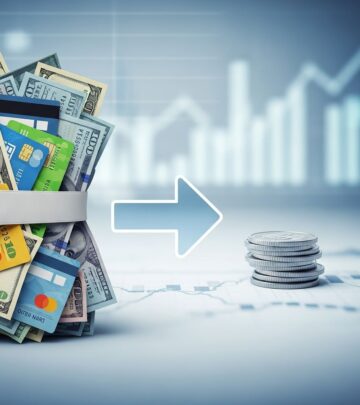
Debt consolidation merges multiple debts into a single payment, often via a personal loan or balance transfer card, potentially easing financial strain while affecting credit scores in complex ways. Short-term dips occur from credit inquiries and new accounts, but responsible management can yield long-term gains through improved payment history and reduced utilization ratios.
Understanding Debt Consolidation Basics
At its core, debt consolidation simplifies repayment by combining high-interest obligations like credit card balances into one lower-rate loan or promotional offer. This approach aims to cut total interest costs and streamline budgeting, freeing up cash for faster debt reduction. Common methods include personal loans from banks, credit unions, or online lenders, and 0% APR balance transfer cards for revolving debt.
While appealing for those juggling multiple bills, success hinges on discipline. Continuing to accrue new debt post-consolidation can exacerbate problems, turning a helpful tool into a financial pitfall. Key to evaluating suitability is assessing current debt levels, interest rates, and repayment capacity.
Short-Term Effects on Your Credit Profile
Applying for consolidation triggers immediate credit score changes, primarily negative but temporary. A hard inquiry from lenders reviewing your history dings scores by 5-10 points, lasting up to 12 months on reports and 2 years on records. Multiple applications amplify this, so pre-qualification checks—soft inquiries with no score impact—are advisable.
Opening the new account further lowers average account age, a factor in 15% of FICO scores, causing another minor drop. For balance transfers, shifting debt might temporarily spike utilization on the new card if not managed carefully, as utilization weighs 30% in scoring models.
- Hard inquiries: Temporary score reduction from application checks.
- New account age: Dilutes overall credit history length.
- Utilization shifts: Potential brief increase on transfer cards.
Long-Term Advantages for Credit Building
Over months, positive habits outweigh initial setbacks. Consolidating into a personal loan pays off revolving credit cards, slashing utilization to zero on those accounts—a major boost since low utilization signals control. Single payments reduce missed deadline risks, bolstering payment history, the dominant 35% FICO factor.
Adding installment debt like loans diversifies credit mix (10% of score), demonstrating versatility in handling varied obligations. Faster payoff via lower rates accelerates balance reductions, compounding score gains. Studies show consistent on-time payments post-consolidation elevate scores within 6-12 months.
| Positive Factor | Score Weight | Consolidation Benefit |
|---|---|---|
| Payment History | 35% | Easier single payments build reliability. |
| Credit Utilization | 30% | Paying cards to zero lowers ratios. |
| Credit Mix | 10% | Introduces loans to card-heavy profiles. |
| Amounts Owed | 30% | Reduces total revolving debt burden. |
Factors Influencing Score Changes
Credit scoring models like FICO and VantageScore weigh elements differently. Payment history dominates; consolidation aids by minimizing bills. Utilization thrives when cards clear, but closing paid accounts risks hiking ratios by shrinking limits—keep them open if possible.
New credit (10%) suffers short-term from inquiries and youth, but maturity restores balance. Debt amounts fluctuate: loans add installment balances, potentially neutral or positive if cards vanish. Profile length and mix round out impacts, favoring diversified, aged portfolios.
Strategies to Protect and Enhance Scores
Minimize harm by shopping rates within 14-45 days, grouping inquiries as one. Avoid new debt; target extra principal payments for quicker wins. Monitor reports via free weekly pulls from AnnualCreditReport.com to catch errors.
Opt for loans over transfers if utilization control is key—loans don’t factor into revolving ratios. Build emergency funds to avert misses. For fair credit, secured loans or credit-builder options sidestep hard pulls.
- Pre-qualify with multiple lenders using soft checks.
- Pay more than minimums to accelerate payoff.
- Maintain low utilization under 30% overall.
- Keep old accounts open post-payoff.
Common Pitfalls and How to Avoid Them
Racking up new charges on cleared cards reverses gains, inflating utilization. Closing accounts post-consolidation cuts limits, worsening ratios. Ignoring fees—like transfer charges (3-5%)—erodes savings. Overborrowing via high-limit loans risks default if income dips.
Mitigate by budgeting strictly, automating payments, and tracking progress monthly. If scores plummet post-action, patience pays: temporary effects fade, positives accrue with adherence.
Alternatives to Traditional Consolidation
Not ideal for all? Debt management plans via nonprofits negotiate rates without new credit. Balance transfers suit short-term if promo periods align. Home equity options offer low rates but risk assets. Bankruptcy looms as last resort, severely impacting scores for 7-10 years.
- Debt management programs: Lower rates, no new debt.
- 0% transfers: Temporary relief for disciplined users.
- HELOCs: Cheaper but secured.
Real-World Outcomes and Timelines
Users report 20-50 point drops initially, rebounding higher within a year with on-time payments. A Credit Karma analysis notes sustained payoff yields net positives. FICO data confirms utilization drops drive most uplift. Track via apps for motivation.
Frequently Asked Questions
Will debt consolidation ruin my credit?
No, temporary dips are common, but long-term management improves scores via better habits.
How long do inquiry effects last?
Up to 12 months on scores, 24 on reports—minimal after 6 months.
Is a personal loan better than a balance transfer?
Loans aid utilization more; transfers suit low-balance, short-term needs.
Can I consolidate with bad credit?
Possible via secured options or nonprofits, though rates higher.
Does closing cards after payoff help?
Usually not—keeps limits high, utilization low.
Final Thoughts on Smart Debt Strategies
Debt consolidation shines for organized repayors seeking simplicity and savings. Weigh personal factors, commit to discipline, and consult advisors for tailored paths. Proactive monitoring turns potential hurdles into stepping stones for robust credit health.
References
- Does Debt Consolidation Hurt Your Credit Scores? — Credit Karma. 2023. https://www.creditkarma.com/credit/i/how-debt-consolidation-affect-credit-score
- How Does Debt Consolidation Affect Your Credit Score? — Citi. 2025-04-23. https://www.citi.com/personal-loans/learning-center/debt-consolidation/how-does-debt-consolidation-affect-your-credit
- Does Debt Consolidation Hurt Your Credit Score? — Best Egg. 2024. https://www.bestegg.com/blog/debt-consolidation-impact-credit-score/
- How a Debt Consolidation Loan Impacts Your FICO® Scores — myFICO. 2023. https://www.myfico.com/credit-education/blog/debt-consolidation-fico-score
- Debt Consolidation: Does it Hurt Your Credit? — Equifax. 2024. https://www.equifax.com/personal/education/debt-management/articles/-/learn/what-is-debt-consolidation/
Similar Articles








Read full bio of Sneha Tete