Debt Consolidation Apps Explained
Discover how modern apps simplify debt repayment, cut interest costs, and streamline your path to financial freedom with smart tools and strategies.
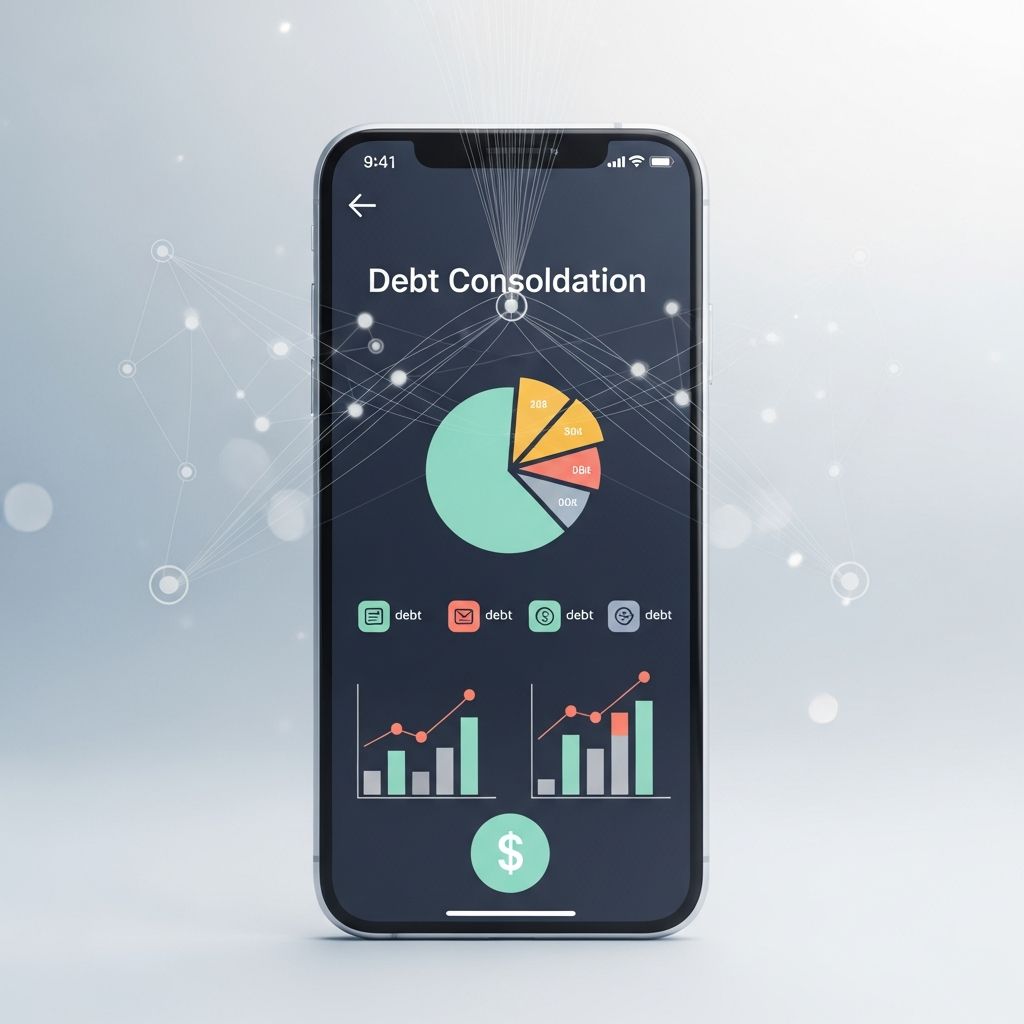
Debt consolidation apps are digital tools designed to help individuals merge multiple debts into a more manageable structure, often through automated planning, payment facilitation, or direct financial products like loans. These platforms aim to reduce interest expenses and simplify repayment schedules by offering features such as progress tracking, strategy recommendations, and account integration.
Understanding the Core Mechanics of Debt Apps
At their foundation, these apps analyze your existing debts—such as credit card balances, personal loans, or medical bills—and propose ways to consolidate them. Unlike traditional loans from banks, apps often provide user-friendly interfaces for DIY management or connect directly to lenders for seamless funding. For instance, you input your debt details, including balances and interest rates, and the app calculates optimal repayment paths.
Many apps support two primary strategies: the debt snowball, which prioritizes smallest balances for psychological wins, and the debt avalanche, focusing on highest-interest debts to minimize costs. Users link bank accounts or creditors, enabling real-time tracking and automated extra payments from rounded-up purchases or surplus funds.
Key Features That Drive Debt Reduction
- Account Synchronization: Securely connects to financial institutions to monitor balances and transactions automatically.
- Payment Automation: Schedules and executes payments to creditors, preventing missed due dates.
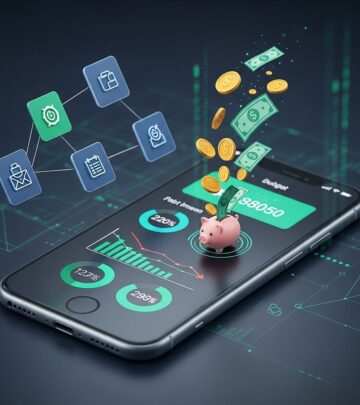
- Progress Visualization: Dashboards show payoff timelines, interest savings, and motivational milestones.
- Strategy Optimization: Recommends snowball or avalanche based on your data for faster results.
- Budgeting Tools: Identifies spending leaks to redirect funds toward debt.
These elements transform chaotic debt juggling into a structured plan, often projecting debt-free dates to keep users motivated.
Comparing Traditional Loans vs. App-Based Consolidation
| Aspect | Traditional Debt Consolidation Loan | Debt Consolidation App |
|---|---|---|
| Funding Mechanism | Lump-sum loan pays off debts directly | Plans payments or facilitates loans via partners |
| Interest Rates | Fixed 7%-36% APR, potentially lower than cards | Varies; some offer low-rate lines of credit |
| Setup Process | Credit check, application, fund disbursement | Quick signup, account linking, instant plans |
| Costs | Origination fees possible | Free to subscription fees |
| Flexibility | Fixed term payments | Customizable strategies, real-time adjustments |
Loans provide immediate relief with one payment but require good credit, while apps excel in ongoing management and accessibility for varied credit profiles.
Step-by-Step Guide to Using a Debt Consolidation App
- Assess Your Debts: List all obligations, totaling balances and noting APRs to target high-cost ones first.
- Select an App: Choose based on features like automation or credit lines; test free trials.
- Link Accounts: Securely connect banks and creditors for accurate data import.
- Choose a Method: Opt for snowball for quick wins or avalanche for savings; let the app simulate outcomes.
- Set Up Payments: Automate minimums plus extras; enable round-ups for acceleration.
- Monitor and Adjust: Review monthly insights, tweak budgets, and track progress toward payoff.
- Pay Off and Maintain: Once clear, use tools to avoid new debt buildup.
This process can shave months or years off repayment, especially if rates drop below current averages.
Financial Benefits and Potential Savings
By consolidating via apps, users often secure lower effective rates, turning multiple high-APR payments (e.g., 20%+ on cards) into streamlined ones. Fixed terms predict endpoints, unlike revolving credit. Apps enhance this with insights, like cutting discretionary spending to boost payments, potentially saving thousands in interest. For example, a $10,000 debt at 18% APR paid over 36 months via avalanche could save over $1,000 versus minimum payments.
Risks include fees for premium features or temptation to accrue new debt post-consolidation, but disciplined use yields budgeting stability and credit score boosts from on-time payments.
Popular Debt Payoff Strategies Powered by Apps
Debt Snowball: Pay minimums on all debts, extra on smallest. Builds momentum as balances vanish quickly.
Debt Avalanche: Targets highest APR first, mathematically optimal for interest reduction.
Apps compare both, projecting timelines: Snowball suits motivation-driven users; avalanche, cost-conscious ones.
Costs, Fees, and Accessibility Factors
Many apps are free with ads, but subscriptions ($5-15/month) unlock advanced tools. Credit-based lines charge interest, requiring fair scores (typically 600+). No-credit-check trackers focus on planning without borrowing. Always review privacy policies for data security.
Who Benefits Most from These Apps?
- Individuals with 3+ high-interest debts seeking simplicity.
- Budgeters needing automation and reminders.
- Those with fair credit ineligible for prime loans.
Avoid if deeply delinquent, as apps complement—not replace—professional counseling.
Frequently Asked Questions (FAQs)
Do debt consolidation apps hurt your credit score?
Linking accounts typically doesn’t; new credit lines may cause temporary dips from inquiries, but consistent payments improve scores long-term.
Can apps consolidate all debt types?
Most handle unsecured like cards/loans; secured (e.g., mortgages) less common—check app specifics.
Are there free options?
Yes, many basic trackers are free; premium automation may cost.
How fast can you pay off debt with an app?
Depends on extras paid; apps optimize to 1-5 years for average $20K debt.
Is app consolidation better than a bank loan?
Apps offer flexibility for management; loans suit large sums needing low fixed rates.
Final Tips for Success
Combine app use with spending cuts and emergency funds. Track credit reports regularly. If overwhelmed, consult non-profits like NFCC. These tools empower proactive debt freedom.
References
- How Do Debt Consolidation Loans Work? — NerdWallet. 2023. https://www.nerdwallet.com/personal-loans/learn/how-do-debt-consolidation-loans-work
- BBB Tip: Should you use a debt consolidation app? — Better Business Bureau. 2023. https://www.bbb.org/article/news-releases/27639-bbb-tip-should-you-use-a-debt-consolidation-app
- Debt Consolidation: How It Works and Ways To Do It — Credit Karma. 2024. https://www.creditkarma.com/debt/i/debt-consolidation
- Paying down your debt? There’s an app for that — Achieve. 2024. https://www.achieve.com/learn/debt-relief/debt-payoff-app
- How does debt consolidation work? — U.S. Bank. 2024. https://www.usbank.com/loans-credit-lines/debt-consolidation.html
Similar Articles








Read full bio of Sneha Tete