Debt Consolidation and Your Credit Score
Understand how debt consolidation can both hurt and help your credit score and how to use it as a tool for long-term financial health.
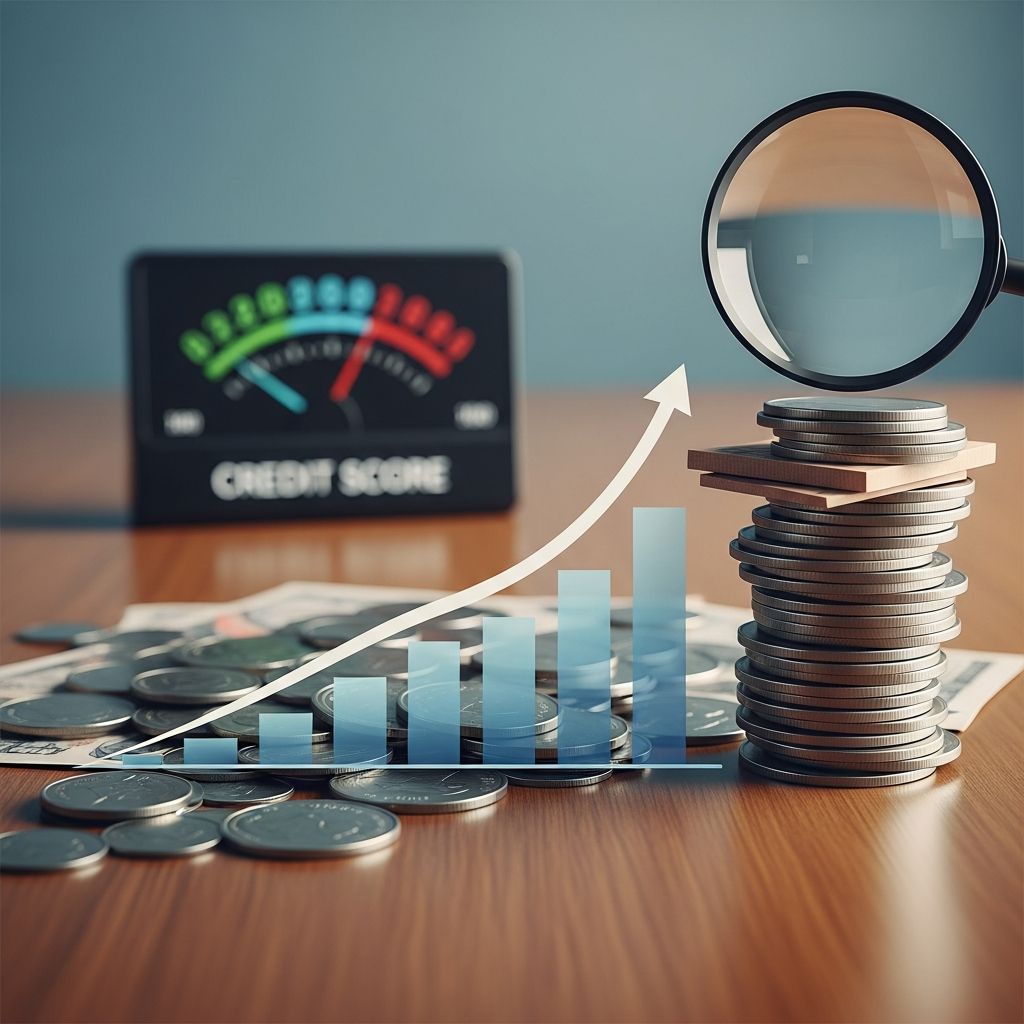
Debt consolidation can be a powerful tool for organizing and paying down what you owe, but it also interacts directly with your credit score. Understanding how this strategy works, when it can help, and how it might temporarily hurt your credit is essential before you apply for a new loan or balance transfer offer.
What Is Debt Consolidation?
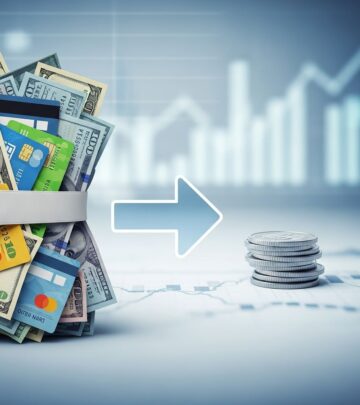
Debt consolidation means combining several existing debts into a single new account, usually with a different interest rate and repayment term. In many cases, people use it to roll multiple high-interest credit card balances into one personal loan or a dedicated balance transfer credit card.
From a credit reporting perspective, consolidation changes the way your debt appears on your credit reports, the type of accounts you have, and the pattern of your future payments.
Common ways to consolidate debt
- Debt consolidation loan: An unsecured personal loan used to pay off several credit cards or other debts, leaving you with one fixed monthly payment.
- Balance transfer credit card: Moving multiple card balances onto a new card, often with a promotional low or 0% APR for a limited time.
- Home equity products: Using a home equity loan or line of credit to pay off unsecured debts (higher risk because your home is the collateral).
- Other bank or credit union programs: Some institutions offer structured consolidation or refinance options under different brand names.
How Credit Scores Work
Your credit score is a numerical summary of how you have managed credit accounts in the past and how risky you are perceived to be as a borrower. Most lenders rely on scoring models such as FICO and VantageScore, which weigh several key factors.
| Credit Factor | Typical Weight in FICO | How Debt Consolidation Interacts With It |
|---|---|---|
| Payment history | 35% | Consolidation can simplify payments, making on-time payment more likely, which benefits scores. |
| Amounts owed / credit utilization | 30% | Paying down revolving balances with a loan can lower utilization and help scores over time. |
| Length of credit history | 15% | Opening a new account can reduce your average account age and may slightly lower scores initially. |
| New credit inquiries | 10% | Applications for new loans or cards create hard inquiries that can cause a small, temporary dip. |
| Credit mix | 10% | Adding an installment loan when you mostly had cards can slightly improve your mix. |
Short-Term Effects of Debt Consolidation on Credit Scores
Debt consolidation often produces a short-term decline in your credit score, followed by potential longer-term improvement if you manage the new account responsibly.
Hard credit inquiries
When you apply for a consolidation loan or a new credit card, the lender typically performs a hard inquiry on your credit report to evaluate your application.
- Each hard inquiry can lower your score by a few points, often around 5 or less.
- The impact usually fades within about 12 months, and inquiries generally remain visible for up to two years.
New account and average age of credit
Opening a new loan or card for consolidation affects the average age of your accounts, which is part of your credit history length.
- A new account makes your average account age younger, which can cause a slight score dip.
- Over time, as the new account ages and you pay on time, this negative effect tends to shrink.
Changes in utilization when you transfer or move balances
In the short term, a consolidation move can also cause temporary changes in your credit utilization ratio, especially with balance transfer cards.
- If you move many balances to one card and push its utilization high, your score may fall until you pay it down.
- As you reduce the total owed on revolving accounts, utilization improves and scores may recover.
Long-Term Effects: How Consolidation Can Help Your Credit
Although there can be initial downsides, effective use of debt consolidation often improves your credit profile over the long term by making debt easier to manage and pay off.
Improved payment history
Payment history is the most important component of your credit score, counting for about 35% in many scoring models.
- Consolidation reduces the number of separate due dates you must track, which can lower the risk of missed payments.
- A lower, predictable monthly payment may fit your budget better, making consistent on-time payments more achievable.
- Months and years of on-time payments on the new account can gradually build a stronger credit record.
Lower credit utilization and faster payoff
Using an installment loan to pay off revolving credit card debt usually reduces your reported credit utilization ratio, a key factor for your score.
- When card balances fall, you are using a smaller share of your available revolving credit, which is generally positive for scores.
- If the consolidation loan has a lower interest rate, more of each payment reduces principal, helping you get out of debt faster.
- Faster payoff reduces total debt outstanding, which improves the “amounts owed” portion of your credit profile.
More diverse credit mix
Your credit mix refers to the variety of installment and revolving accounts you hold. Having a combination of different account types and managing them well can benefit your score.
- If you previously had only credit cards, adding a personal loan can diversify your mix and provide a modest positive influence.
- The benefit is usually small compared with payment history and utilization, but it can still help at the margins.
How Debt Consolidation Can Hurt Your Credit
Debt consolidation is not risk-free. Certain behaviors during and after consolidation can damage your credit instead of improving it.
Closing old credit card accounts
Some people close their paid-off credit card accounts after using a consolidation loan. This can have several unintended consequences for your score.
- Closing cards reduces your overall available credit, which can increase your utilization ratio if you still have other card balances.
- You may shorten the age of your open accounts, which can negatively affect your length of credit history.
- In many cases, leaving old cards open (and unused or lightly used with full payments) is better for your credit profile, provided you are confident you will not run those balances up again.
Running up new debt after consolidating
One of the biggest dangers with consolidation is treating it as a license to spend. If you keep using the old cards after paying them off, your total debt can grow instead of shrink.
- New card balances increase your utilization and your overall amounts owed, which can put downward pressure on your score.
- Higher debt levels may make it harder to stay current on your consolidation loan, raising the risk of late payments or defaults that seriously damage your credit.
Missing payments on the consolidation account
If you fall behind on your new loan or balance transfer card, the negative impact on your credit may be worse than if you had not consolidated.
- Late payments and delinquencies are recorded in your credit file and can remain for years.
- Because payment history carries the greatest weight in scoring models, even a single 30-day late payment can significantly lower your score.
Types of Debt Consolidation and Their Credit Impact
Different consolidation strategies affect your credit in slightly different ways. Understanding these nuances can help you choose an approach that aligns with your goals.
Debt consolidation loans
A debt consolidation loan is an installment loan, often unsecured, used to pay down revolving accounts.
- Produces a hard inquiry and adds a new installment account, possibly lowering your score initially.
- Can reduce utilization on credit cards to near zero once those balances are paid, which may boost scores over time.
- Encourages structured repayment with fixed monthly payments and a fixed payoff date.
Balance transfer credit cards
A balance transfer card allows you to move existing card balances to a new card, frequently with an introductory promotional APR.
- Requires a new credit card application and hard inquiry.
- May temporarily increase utilization on the new card if you move large balances; this can lower scores until you pay down the transferred amount.
- Can be helpful if you aggressively pay down the balance during the promotional period and avoid new purchases.
Home equity loans and lines of credit
Home equity products use your home as collateral for a loan or line of credit, which you can then use to pay off unsecured debts.
- Function as installment or revolving accounts secured by real estate; they will appear on your credit reports.
- Potentially lower interest rates can speed up payoff but put your home at risk if you cannot meet payments.
How to Protect and Build Your Credit When Consolidating
Thoughtful planning can help you gain the benefits of consolidation while minimizing harm to your credit score.
Before you consolidate
- Review your credit reports: Check for errors or inaccuracies that might be hurting your score and dispute them if needed.
- Compare options: Evaluate interest rates, fees, terms, and any promotional periods to determine whether consolidation will truly save money.
- Run the numbers: Use a basic payment schedule or calculator to estimate total interest costs and payoff timelines with and without consolidation.
During and after consolidation
- Set up automatic payments: Enroll in autopay to reduce the risk of missing due dates on your new account.
- Limit new applications: Avoid applying for additional loans or cards while your consolidation account is new to prevent multiple hard inquiries.
- Keep old accounts open (if appropriate): Consider keeping existing cards open with zero or low balances to preserve your available credit, provided you can resist using them for unnecessary spending.
- Create a budget: Track your income and expenses so you can comfortably afford the consolidation payment and avoid new debt.
Is Debt Consolidation Right for You?
Debt consolidation is most effective for people who have steady income, a realistic budget, and a commitment to changing the habits that led to high balances.
It may be less appropriate if:
- You are already struggling to meet basic living expenses.
- Your total unsecured debt is small enough to pay off quickly without a new account.
- You are at high risk of immediately reusing paid-off cards and increasing your total debt.
In these cases, alternatives such as credit counseling, a structured debt management plan, or—if necessary—discussions with a nonprofit advisor may be worth exploring.
Frequently Asked Questions (FAQs)
Q: Does debt consolidation always hurt your credit score?
A: No. Debt consolidation commonly causes a small, temporary score drop due to hard inquiries and a new account, but with on-time payments and reduced credit card balances, your score often improves over the long term.
Q: How long does it take for my credit score to recover after consolidating debt?
A: The effect of hard inquiries typically diminishes within about a year, while the positive impacts from lower utilization and consistent on-time payments can build steadily over many months and years.
Q: Is it better to close or keep old credit cards after consolidation?
A: From a credit score perspective, keeping older cards open with low or zero balances usually helps by preserving your available credit and account age, as long as you avoid accumulating new debt on them.
Q: Can I consolidate debt with bad credit?
A: It may be possible but more challenging. You might face higher interest rates or limited offers. In such situations, comparing multiple lenders and considering alternatives like nonprofit credit counseling can be especially important.
Q: Will one missed payment ruin the benefits of consolidation?
A: A single 30-day late payment can significantly hurt your score because payment history has the greatest weight in most scoring models, so it is crucial to prioritize on-time payments to gain the full benefits of consolidation.
References
- Does Debt Consolidation Hurt Your Credit? — Experian. 2023-05-09. https://www.experian.com/blogs/ask-experian/can-debt-consolidation-affect-your-credit-score/
- Debt Consolidation: Does it Hurt Your Credit? — Equifax. 2023-02-01. https://www.equifax.com/personal/education/debt-management/articles/-/learn/what-is-debt-consolidation/
- How Does Debt Consolidation Affect Your Credit Score? — Citi. 2024-01-15. https://www.citi.com/personal-loans/learning-center/debt-consolidation/how-does-debt-consolidation-affect-your-credit
- How Does Debt Consolidation Affect Your Credit Score? — Synovus. 2023-06-20. https://www.synovus.com/personal/resource-center/managing-your-finances/how-does-debt-consolidation-affect-your-credit-score/
- Does Debt Consolidation Hurt Your Credit Scores? — Credit Karma. 2023-08-10. https://www.creditkarma.com/credit/i/how-debt-consolidation-affect-credit-score
- How Debt Consolidation Affects Your Credit Score — LendingTree. 2023-07-25. https://www.lendingtree.com/debt-consolidation/does-debt-consolidation-hurt-your-credit-score/
- Does debt consolidation hurt your credit score? — LendingClub. 2023-09-05. https://www.lendingclub.com/resource-center/personal-loan/does-debt-consolidation-hurt-your-credit-score
Similar Articles








Read full bio of Sneha Tete