Debt Collection Explained
Navigate the debt collection process with confidence: understand your rights, timelines, and strategies to manage or resolve outstanding debts effectively.
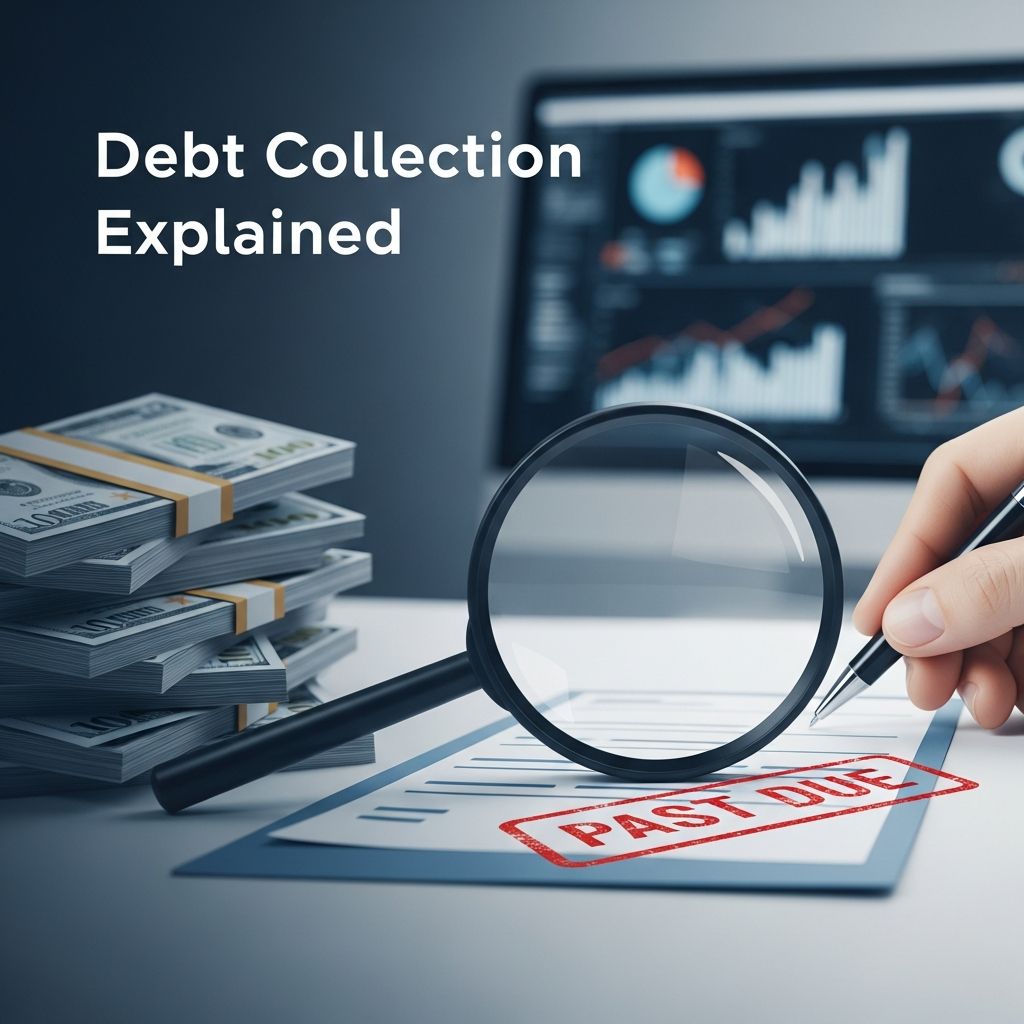
Debt collection involves systematic efforts by creditors or agencies to recover unpaid amounts from borrowers who have missed payments. This process typically begins after 30 to 180 days of delinquency and can involve internal handling, third-party agencies, or legal measures.
The Stages of Debt Recovery
Creditors follow a structured approach to reclaim owed money, starting with gentle reminders and escalating as needed. Understanding these phases helps both parties manage expectations.
Early Delinquency and Internal Collections
When payments are first missed, usually after 30 days, the original creditor handles recovery internally. They send reminders via phone, email, or mail, requesting catch-up payments or account updates. This phase, often lasting the first six months, allows direct negotiation without intermediaries. Creditors assess the borrower’s situation, potentially offering payment extensions or reduced terms.
- Initial contacts focus on payment history and financial challenges.
- No fees are typically added yet, preserving borrower relationships.
- Success here avoids credit report impacts.
Transition to External Agencies
If internal efforts fail, typically after 120-180 days, the debt is assigned or sold to third-party collectors. The original creditor may charge off the account, marking it as a loss for tax purposes, but collection continues. Agencies earn commissions or purchase debts at discounts, motivating aggressive recovery.
Third-party involvement shifts communication solely to the agency. They use provided contact details, including relatives if permitted, and review banking info to gauge repayment ability.
Late-Stage Collections and Debt Buyers
In advanced phases, debts are sold to buyers who pursue recovery for profit. Collectors may propose settlements, adjust terms, or pursue garnishment where legal. Failure leads to write-offs, though collection attempts can persist for years depending on statutes of limitations.
Consumer Rights and Protections
U.S. law, primarily the Fair Debt Collection Practices Act (FDCPA), safeguards borrowers from abusive tactics. Collectors must adhere to strict rules on contact timing, methods, and disclosures.
| Right | Details |
|---|---|
| Validation Notice | Required within 5 days of first contact; includes debt amount, creditor name, dispute instructions. |
| Dispute Window | 30 days to request verification; collection pauses until provided. |
| Contact Limits | No calls before 8 AM or after 9 PM; no workplace calls if prohibited. |
| Prohibited Actions | No harassment, threats, false claims, or contact via postcard. |
The Consumer Financial Protection Bureau (CFPB) oversees complaints, ensuring compliance.
Key Documents in the Process
Debt Validation Letter
This mandatory notice confirms debt details: amount owed (with interest/fees), original creditor, account number, and dispute rights. It must include the collector’s name and address. Review it carefully before any payment.
Formal Demand Letters
Before lawsuits, collectors send demands specifying the debt description, prior reminders, payment deadline (minimum 7 days), and legal intent. These are prerequisites for court action.
Debtor Strategies for Resolution
Borrowers have proactive options to mitigate damage.
- Verify the Debt: Check credit reports weekly (free via AnnualCreditReport.com). Dispute inaccuracies online or in writing.
- Negotiate Settlements: Offer lump sums for less than owed; get written agreements confirming full resolution.
- Payment Plans: Propose affordable installments, prioritizing secured debts.
- Seek Hardship Programs: Many creditors offer temporary relief.
Before paying, secure written confirmation that payment settles the debt entirely, preventing revival of time-barred claims.
Creditor and Agency Perspectives
Businesses verify overdue amounts, issue dunning notices, and track via databases. They adjust credit limits, pursue legal claims if viable, or write off uncollectible sums. Agencies update creditors on progress, aiming for full or partial recovery.
Legal Escalation Pathways
If negotiations fail, creditors file claim forms with courts, detailing the amount and case. Debtors receive notices with 14-28 days to respond via acknowledgement or defense. Successful judgments enable wage garnishment, liens, or bank levies, varying by state.
Statutes of limitations (3-10 years) limit lawsuits on old debts; payments can restart clocks.
Impact on Credit and Finances
Delinquent accounts harm FICO scores for 7 years. Collections appear after charge-off, dropping scores significantly. Positive actions like pay-for-delete (rare) or settlements improve profiles over time.
- Pay before reporting to avoid marks.
- Dispute errors promptly.
- Build positive history post-resolution.
Frequently Asked Questions
What triggers debt collection calls?
Typically after 30+ days delinquency, escalating post-120 days.
Can collectors contact family?
Only for location, not debt discussion without consent.
Is paying old debt safe?
Get written settlement; avoid restarting limitations.
How to stop collections?
Cease-and-desist letter; doesn’t erase debt.
What if debt isn’t mine?
Dispute within 30 days; collector must verify.
Preventing Debt Collection Issues
Maintain budgets, communicate early with creditors, and monitor reports. For businesses, clear invoices with deadlines reduce disputes.
References
- Debt Collection FAQs — Federal Trade Commission. 2023-10-01. https://consumer.ftc.gov/articles/debt-collection-faqs
- Debt collection — Consumer Financial Protection Bureau. 2024-02-15. https://www.consumerfinance.gov/consumer-tools/debt-collection/
- What Is Debt Collection And How Does It Work? — Bankrate. 2024-05-20. https://www.bankrate.com/personal-finance/debt/what-is-debt-collection/
- Debt Collection Laws: Collections Process, Practices & Methods — Debt.org. 2023-11-10. https://www.debt.org/credit/collection-agencies/debt-collectors/
- How Does Debt Collection Work? — Experian. 2024-08-05. https://www.experian.com/blogs/ask-experian/how-does-debt-collection-work/
Similar Articles








Read full bio of Sneha Tete