Debt Avalanche Method: Pay Off High-Interest Debt First
Master the debt avalanche method to eliminate debt faster and save thousands in interest charges.
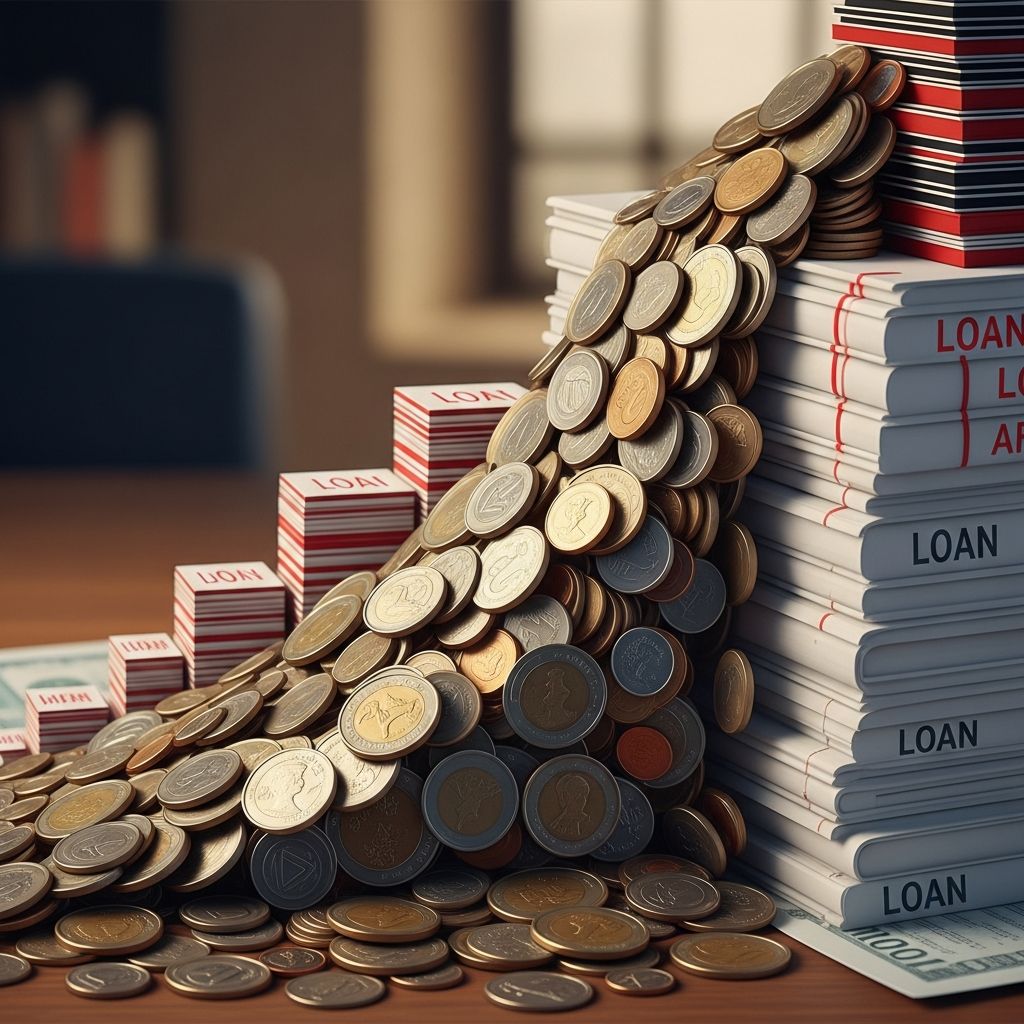
Understanding the Debt Avalanche Method
The debt avalanche method is a strategic approach to eliminating multiple debts by prioritizing and paying off the balance with the highest interest rate first. While making minimum monthly payments on all your other debts, you direct any extra funds toward the debt carrying the highest interest rate. Once that debt is eliminated, you redirect those payments to the next-highest interest rate debt, and so on until all debts are paid off. This method is named after an avalanche because as each debt is eliminated, the payment momentum builds, much like snow accumulating as it rolls down a mountain.
The debt avalanche method is particularly effective for individuals carrying multiple debts with varying interest rates. Since interest compounds over time, tackling high-rate debts first prevents additional charges from accumulating on top of your principal balance. The average credit card APR was 22.25% in May 2025, according to the Federal Reserve, making credit cards prime candidates for this strategy.
How the Debt Avalanche Method Works
Understanding the mechanics of the debt avalanche method is essential for successfully implementing this strategy. The process involves several straightforward steps that create a clear roadmap for debt elimination.
Step 1: List All Your Debts
Begin by creating a comprehensive list of every debt you owe. Using a spreadsheet or debt payoff application, document each debt with the following information:
- Outstanding balance amount
- Type of debt (credit card, personal loan, student loan, auto loan, etc.)
- Monthly or minimum required payment
- Interest rate or Annual Percentage Rate (APR)
- Due date for each payment
Step 2: Rank Debts by Interest Rate
Organize your debt list in descending order, placing the debt with the highest interest rate at the top. Continue ranking each debt from highest to lowest interest rate. If any of your debts carry variable interest rates, use the current rate for ranking purposes. You can reorder your list later if interest rates change.
Step 3: Determine Your Extra Payment Amount
Based on your monthly budget, decide how much extra money you can allocate toward debt repayment beyond your minimum payments. This additional amount should be realistic and sustainable for your financial situation. Every dollar you allocate to extra payments reduces your overall interest charges.
Step 4: Focus on Your Highest-Rate Debt
Make minimum payments on all your debts while directing your extra payment amount toward the debt with the highest interest rate. This concentrated effort accelerates the elimination of your most expensive debt.
Step 5: Roll Payments to the Next Debt
Once you’ve paid off your highest-rate debt, celebrate your progress. Then, take the total amount you were paying toward that debt (both the minimum payment and extra amount) and apply it to the debt with the next-highest interest rate. This rolling effect creates momentum as your payments grow larger.
Step 6: Continue Until Debt-Free
Repeat this process, working your way down your ranked list until all debts are eliminated. The final debt receives the largest payment amount, accelerating your path to financial freedom.
The Financial Impact: Savings and Efficiency
The debt avalanche method delivers substantial financial benefits compared to other debt repayment strategies. Consider this real-world example:
If you have multiple debts totaling approximately $30,000 and make only minimum payments (typically 1% to 4% of your outstanding balance), you could pay more than $9,000 in total interest charges over approximately 6 years. However, by implementing the debt avalanche method and paying $400 per month toward your highest-rate debt first, you would save almost $2,400 in interest charges, reducing your total interest to approximately $6,788.
| Repayment Strategy | Order of Payoff | Monthly Payment | Total Interest Paid | Time to Debt Freedom |
|---|---|---|---|---|
| Minimum Payments Only | Pay minimum on all balances | Varies (1-4% of each balance) | $9,178 | Approximately 6 years |
| Debt Avalanche Method | Highest interest rate first | $400 to highest-rate debt, minimum on rest | $6,788 | Approximately 6 years |
| Debt Snowball Method | Smallest balance first | $400 to smallest-balance debt, minimum on rest | $7,662 | Approximately 6 years |
Advantages of the Debt Avalanche Method
The debt avalanche method offers several compelling benefits for debt elimination:
Maximum Interest Savings
The primary advantage of the debt avalanche method is substantial interest savings. By targeting high-interest debts first, you stop the rapid accumulation of compound interest on your most expensive obligations. This mathematical approach ensures you pay the lowest total amount of interest across all your debts, freeing up money in your budget sooner.
Financial Efficiency
The debt avalanche method provides a clear, logical framework for prioritizing debt repayment. Unlike ad-hoc payment approaches, this strategy removes the guesswork from which debt to tackle first, creating a structured path to financial freedom.
Exceptional Savings on High-Rate Debt
You benefit most significantly when your debts carry high interest rates. Credit cards, personal loans, and payday loans frequently feature particularly high interest rates, making them ideal candidates for the avalanche method. The savings multiply substantially when you’re eliminating 20%+ APR debts before lower-rate obligations.
Challenges and Considerations
While the debt avalanche method offers financial advantages, it does present some challenges:
Lower Psychological Motivation
The debt avalanche method focuses on mathematical optimization rather than quick wins. If your highest-rate debt also carries a large balance, you may not experience the satisfaction of eliminating a debt quickly, which some find demotivating.
Time to First Victory
Depending on your debt composition, you might take longer to pay off your first debt compared to the debt snowball method, which prioritizes smallest balances. This delayed gratification can challenge your commitment to the strategy.
Comparing Debt Avalanche to Debt Snowball
Understanding the differences between the debt avalanche and debt snowball methods helps you choose the right strategy for your situation.
Debt Snowball Method Overview
The debt snowball method reverses the avalanche approach by prioritizing the smallest debt balances first, regardless of interest rate. You pay off your smallest debt quickly, creating psychological momentum and motivation. Once that debt is eliminated, you apply those payments to the next-smallest balance. This method sacrifices some financial optimization for motivational benefits.
Head-to-Head Comparison
In the same scenario where both methods generated similar payoff timelines, the debt snowball method would result in approximately $7,662 in total interest charges, compared to $6,788 with the debt avalanche method. That represents about $874 in additional interest costs—money that could fund other financial goals.
However, if motivation and quick wins are critical to your success, the snowball method’s psychological benefits might justify the additional interest expense. The best method is ultimately the one you’ll stick with consistently.
Who Benefits Most from the Debt Avalanche Method
The debt avalanche method is ideal for individuals who:
- Prioritize financial optimization and maximum savings over psychological wins
- Have multiple debts with significantly varying interest rates
- Carry substantial high-interest credit card balances
- Are mathematically inclined and motivated by seeing interest charges decline
- Have sufficient income to make consistent extra payments
- Can maintain focus without the quick satisfaction of eliminating small debts
Implementing the Debt Avalanche Successfully
Success with the debt avalanche method requires discipline and commitment:
Track Your Progress
Maintain a visible record of your debt payoff journey. Watching your highest-interest debts disappear provides motivation even without the quick wins of the snowball method.
Avoid Accumulating New Debt
While executing your avalanche strategy, resist the temptation to take on new debt, particularly high-interest credit card balances. Each new debt extends your timeline to financial freedom.
Increase Payments When Possible
Whenever you receive bonuses, tax refunds, or income increases, allocate these funds to your highest-rate debt. Accelerated payments compound your savings exponentially.
Reorder Periodically
If variable-rate debts change or your circumstances shift, revisit your debt ranking to ensure you’re still targeting the highest-rate debt.
The Mathematics Behind the Method
The debt avalanche method works because of how compound interest functions. When interest compounds on your principal balance, you’re essentially paying interest on top of interest. By eliminating high-rate debts first, you stop this compounding cycle on your most expensive obligations. A debt at 29% interest costs dramatically more than one at 6%, making mathematical sense to prioritize elimination of the high-rate debt.
Frequently Asked Questions About the Debt Avalanche Method
Q: How is the debt avalanche method different from the debt snowball method?
A: The debt avalanche method prioritizes debts by interest rate (highest first), while the debt snowball method prioritizes debts by balance size (smallest first). The avalanche method saves more money in interest, while the snowball method provides quicker psychological wins.
Q: Can I use the debt avalanche method if I have variable-rate debts?
A: Yes, you can use the debt avalanche method with variable-rate debts. Rank them using their current interest rate and reorder your list if rates change significantly.
Q: What if I don’t have extra money to pay beyond minimum payments?
A: The debt avalanche method requires extra payments to be effective. Consider increasing your income, reducing expenses, or exploring debt consolidation to create room for extra payments.
Q: How long does it take to see results with the debt avalanche method?
A: Results depend on your debt amount, interest rates, and extra payment amount. You’ll begin saving on interest immediately, though paying off your first debt may take several months or longer.
Q: Should I stop making extra payments once I pay off one debt?
A: No, you should maintain or increase your extra payments. After paying off your first debt, roll that entire payment amount to your next-highest rate debt to accelerate your progress.
Q: Are there alternatives to the debt avalanche method?
A: Yes, alternatives include the debt snowball method, debt consolidation, refinancing, and balance transfers. Each approach has different advantages depending on your financial situation.
References
- The Debt Avalanche Method: How it Works and When to Use It — Experian. 2025. https://www.experian.com/blogs/ask-experian/what-is-the-avalanche-method/
- Debt snowball method vs. debt avalanche method: Which is right for you — Fidelity. 2025. https://www.fidelity.com/learning-center/personal-finance/avalanche-snowball-debt
- What to know about the debt snowball vs avalanche method — Wells Fargo. 2025. https://www.wellsfargo.com/goals-credit/smarter-credit/manage-your-debt/snowball-vs-avalanche-paydown/
- Managing Debt: The Debt Avalanche vs. The Debt Snowball — Liberty University Center for Simply Money. 2025. https://www.liberty.edu/business/simply-money/managing-debt-the-debt-avalanche-vs-the-debt-snowball/
Similar Articles








Read full bio of medha deb