Debt After 7 Years: Myths, State Rules, And Next Steps
Discover what truly happens to unpaid debts after seven years, separating legal realities from credit impacts and collection tactics.

Many people believe that debts automatically disappear after seven years, but this is a common misconception. While credit reports drop negative information after that period, the debt itself persists, and legal timelines for collection vary widely by state and debt type. Understanding these distinctions is crucial for managing finances effectively.
Understanding Time-Barred Debts
Time-barred debts refer to obligations where the statute of limitations has expired, meaning creditors can no longer sue to enforce payment through court judgment. This statute typically ranges from three to six years in most states, though it can extend to ten years in others, depending on the debt category and location. For instance, Maryland sets a three-year limit for general debts, extending to four years for goods sales.
The clock usually starts when a payment is missed or the account becomes delinquent. However, actions like partial payments or written acknowledgments can reset this timer in many jurisdictions, reviving the creditor’s right to sue. Federal student loans often lack such limits, allowing indefinite pursuit.
How Statutes of Limitations Differ Across the U.S.
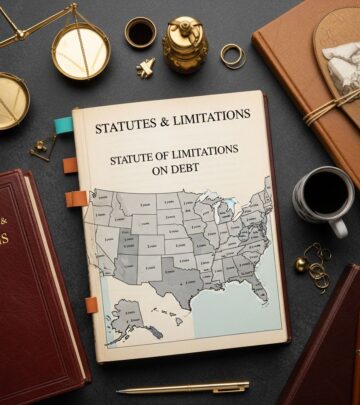
Each state enforces its own rules, creating a patchwork of timelines. Credit card debts, often classified as open-ended, generally fall between three and ten years. Here’s a comparison of select states:
| State | Statute Length (Years) | Notes |
|---|---|---|
| Maryland | 3 (general), 4 (goods) | Judgments enforceable for 12 years. |
| Texas | 4 | Applies to unpaid debts broadly. |
| California | 4 | For credit card debt. |
| New York | 6 | Common for open accounts. |
| Ohio | 6 | Creditors have six years to sue. |
Consult your credit agreement or local laws, as the governing state might be specified in the contract. For precise application, legal advice is recommended due to these variations.
The Role of the 7-Year Rule in Credit Reporting
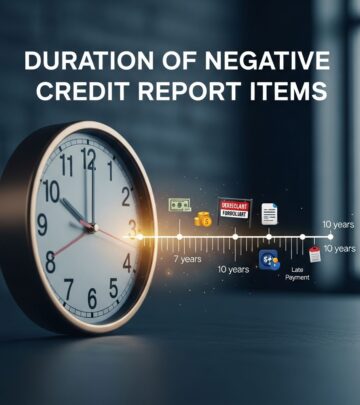
Separate from statutes of limitations, the Fair Credit Reporting Act (FCRA) mandates that most negative credit information, like late payments or collections, be removed after seven years from the original delinquency date. This applies nationwide and affects credit scores significantly during that window.
- Delinquencies: Reported for 7 years.
- Chapter 7 bankruptcies: 10 years.
- Chapter 13 bankruptcies: 7 years.
Even after falling off reports, the debt doesn’t evaporate; collectors may continue non-legal efforts. Revived activity, such as a new payment, could trigger re-reporting under certain conditions.
Debt Collectors’ Rights on Aged Accounts
Post-statute expiration, collectors retain options to seek voluntary repayment without court involvement. They can contact you via calls, letters, or other means, provided they adhere to the Fair Debt Collection Practices Act (FDCPA).
FDCPA restrictions include:
- No calls before 8 a.m. or after 9 p.m. local time.
- No workplace contact if prohibited.
- Limited frequency: No more than seven attempts per week per debt.
- No harassment, threats, or false claims.
Suing or threatening suit on time-barred debts violates FDCPA, potentially yielding damages if challenged. Always request a validation notice within 30 days of initial contact to verify details against your records.
Actions That Restart the Collection Clock
Certain behaviors inadvertently extend creditors’ legal leverage:
- Partial payments: Often resets the statute in multiple states.
- Written acknowledgments: Confirming the debt can initiate a new period.
- Oral promises: Vary by state; some disregard them, others may consider.
To avoid this, refrain from commitments on old debts without professional guidance. If sued, raise the statute defense in court, as judges won’t always dismiss automatically.
Judgments and Extended Enforcement Periods
If a creditor sues successfully within the statute window, a judgment extends collection rights—often 12 years from issuance, renewable in some areas. This empowers actions like wage garnishment or liens, far beyond initial timelines.
Post-judgment, debts become public records, further impacting credit until satisfied or expired.
Strategies for Handling Old Debts
Facing aged obligations requires proactive steps:
- Verify age: Pull free annual credit reports from AnnualCreditReport.com.
- Dispute inaccuracies: Challenge erroneous old items promptly.
- Negotiate settlements: Offer lump sums for reduced payoffs, ensuring ‘paid’ status updates.
- Seek counseling: Non-profits like NFCC provide free advice.
- Consider bankruptcy: As a last resort for overwhelming loads.
Avoid revival traps; document all interactions.
State-Specific Considerations and Examples
Laws evolve, so check updates. In Texas, four years bars suits, but debts linger. Maryland’s three-year rule halts lawsuits, yet collections persist. Collectors must disclose time-barred status in some states if asked.
For interstate debts, the contract’s specified state law prevails, complicating matters for movers.
Frequently Asked Questions (FAQs)
Does debt disappear after 7 years?
No, it falls off credit reports, but you still owe it, and non-legal collection continues.
Can I be sued for 10-year-old debt?
Possibly, if the statute exceeds 7 years or was reset; check your state’s rules.
What if I make a small payment on old debt?
It may restart the statute, enabling lawsuits—proceed cautiously.
Do debt collectors have to tell me the debt is time-barred?
Not always federally, but some states require disclosure; request validation.
How do I check my debt’s statute of limitations?
Review your agreement, state laws, and last activity date; consult an attorney.
Protecting Yourself from Aggressive Tactics
Recognize illegal practices: false threats of arrest, repeated harassment, or misrepresentation as attorneys. Report violations to the CFPB or FTC. Cease communication requests halt most contacts, except to confirm.
Building financial resilience involves budgeting, emergency funds, and credit monitoring to prevent future delinquencies.
References
- Time limits on debts — The Maryland People’s Law Library. Accessed 2026. https://www.peoples-law.org/time-limits-debts
- Can debt collectors collect a debt that’s several years old? — Consumer Financial Protection Bureau. Accessed 2026. https://www.consumerfinance.gov/ask-cfpb/can-debt-collectors-collect-a-debt-thats-several-years-old-en-1423/
- Statute of Limitations on Debt Collection by State — InCharge Debt Solutions. Accessed 2026. https://www.incharge.org/understanding-debt/credit-card/what-is-statute-of-limitations-all-50-states/
- What is the credit card debt statute of limitations (and why does it matter)? — CBS News. 2023-10-01. https://www.cbsnews.com/news/what-is-the-credit-card-debt-statute-of-limitations-and-why-does-it-matter/
- Debt Collection: Time-Barred Debts — Texas State Law Library. Accessed 2026. https://guides.sll.texas.gov/debt-collection/time-barred-debts
- Debt Collection FAQs — Federal Trade Commission. Accessed 2026. https://consumer.ftc.gov/articles/debt-collection-faqs
- What Is The Statute Of Limitations On Debt? — Bankrate. Accessed 2026. https://www.bankrate.com/personal-finance/debt/statute-of-limitations-on-debt/
Similar Articles








Read full bio of medha deb