Debit Vs Credit: Key Differences And Best Uses
Unlock the essentials of debit and credit cards to master your spending, avoid debt traps, and build lasting financial health.

Debit cards provide immediate access to your bank account balance for straightforward transactions, whereas credit cards extend a line of borrowing that requires repayment, often with added benefits and potential costs.
Fundamentals of Payment Methods
Understanding the basic mechanics of these cards is essential for effective financial planning. A debit card functions as a direct conduit to your checking or savings account, ensuring every purchase reduces your available balance in real time. In contrast, a credit card operates on a revolving credit line approved by the issuer, allowing purchases up to a predetermined limit without immediate deduction from personal funds.
This distinction influences daily habits: debit encourages spending within means, while credit introduces deferred payment dynamics that demand discipline.
How Debit Cards Operate in Daily Transactions
Debit cards link seamlessly to your bank account, deducting funds instantly upon swipe, tap, or online use. This setup promotes budget adherence since overspending triggers declines or overdraft fees if protection is enabled.
- ATM withdrawals are fee-free at in-network locations, providing quick cash access.
- No interest accrues, as transactions use pre-existing funds.
- Acceptance mirrors credit cards at most merchants and online platforms.
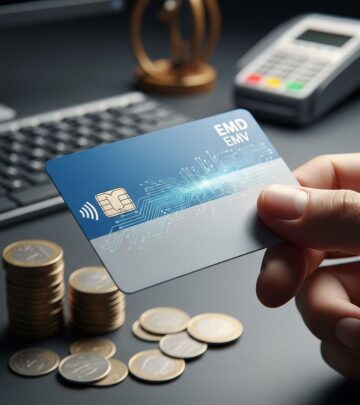
Security features like EMV chips and PIN requirements add layers of protection, though liability for lost cards hinges on prompt reporting.
The Mechanics Behind Credit Card Usage
Credit cards grant borrowing power up to the credit limit, determined by credit history, income, and debt levels. Monthly statements detail charges, with a grace period—typically three weeks—for full repayment to evade interest.
Partial payments incur interest on balances at the card’s APR, which can compound quickly. Cash advances bypass grace periods, accruing fees and higher rates immediately.
- Builds credit history through on-time payments reported to bureaus.
- Offers purchase protections, extended warranties, and travel insurance.
- Flexible for large or emergency expenses beyond current cash holdings.
Comparative Analysis: Debit and Credit Features
A side-by-side evaluation reveals trade-offs in usability, costs, and safeguards. The table below summarizes critical aspects based on standard banking practices.
| Feature | Debit Card | Credit Card |
|---|---|---|
| Source of Funds | Bank account balance | Issuer’s credit line |
| Spending Limit | Available account funds | Pre-approved credit limit |
| Interest Charges | None | Applies to unpaid balances |
| Credit Score Effect | Minimal to none | Positive or negative based on usage |
| Fraud Liability | Limited; report-dependent | Zero liability often standard |
| Rewards | Rare cash back | Cashback, points, perks common |
| Fees | Overdraft possible | Late, over-limit, annual possible |
Debit suits controlled spending, while credit excels in flexibility and protections.
Security Considerations and Fraud Protections
Fraud risks differ significantly. Debit fraud depletes personal funds directly, with liability up to $500 if reported within two days under federal rules, escalating thereafter. Credit fraud burdens the issuer initially, with zero-liability policies shielding users who act promptly.
Credit cards’ layered defenses—encryption, alerts, and dispute processes—provide superior safeguards. Debit users benefit from monitoring tools but face faster financial impact from breaches.
Rewards, Perks, and Incentives
Credit cards dominate rewards landscapes with cashback (1-5% on categories), travel miles, and signup bonuses. Debit rewards are emerging but modest, often tied to account balances like ATM reimbursements.
- Credit perks: Airport lounge access, concierge services, purchase protections.
- Debit advantages: Simplicity, no debt risk, occasional overdraft buffers.
High-reward credit requires full monthly payoff to maximize value without interest erosion.
Financial Impacts on Credit and Debt
Debit usage rarely affects credit scores, as it doesn’t involve borrowing. Credit activity, however, builds profiles: low utilization (under 30%) and timely payments boost scores, while maxing limits or delinquencies harm them.
Debt risk looms larger with credit; average APRs exceed 20%, turning conveniences into burdens if balances linger. Debit enforces cash discipline, curbing impulse buys.
Strategic Applications for Each Card Type
Ideal Scenarios for Debit Cards
Use debit for routine expenses like groceries or gas to maintain budget visibility. It’s perfect for those avoiding debt or with unstable income, ensuring expenditures align with inflows.
Best Uses for Credit Cards
Reserve credit for travel, online shopping, or emergencies, leveraging protections and rewards. It acts as a financial buffer, aiding credit building for loans or mortgages.
Cost Breakdown: Fees and Hidden Charges
Debit cards may trigger overdraft fees ($30+ per incident) if balances dip negative. Credit incurs annual fees ($0-$550), foreign transaction charges (3%), and penalty APRs post-late payments.
Grace periods mitigate credit costs if balances clear fully. Opt for no-fee options aligning with habits.
Building Healthy Habits with Both Cards
Combine cards wisely: debit for daily needs, credit for rewards-eligible spends paid off monthly. Track via apps, set alerts, and review statements to prevent oversights.
- Automate full credit payments.
- Monitor debit balances daily.
- Choose cards matching lifestyles—travelers favor credit perks.
Frequently Asked Questions
Can debit cards help build credit?
No, debit transactions do not report to credit bureaus, unlike credit cards.
Do credit cards always charge interest?
Not if full balance paid by due date; interest applies only to carried balances.
Which has better fraud protection?
Credit cards generally offer stronger zero-liability policies versus debit.
Are there rewards on debit cards?
Some provide cash back, but far less common than credit offerings.
Can I use either for ATM withdrawals?
Debit yes, fee-free in-network; credit via costly cash advances.
Choosing the Right Card for Your Goals
Assess needs: budget-focused individuals lean debit; reward-seekers and credit-builders prefer credit. Hybrid use optimizes benefits while minimizing risks. Regular reviews ensure alignment with evolving finances.
References
- Debit Cards vs. Credit Cards: Key Differences Explained — SBI California. 2024. https://www.sbical.bank/education-center/debit-cards-vs-credit-cards-key-differences
- Debit Cards vs Credit Cards Key Differences and Benefits — Dollar Bank. 2025-08. https://dollar.bank/be-dollar-wise/august-2025/debit-cards-vs-credit-cards-key-differences-and-benefits
- Credit Card vs Debit Card | What’s the Difference? — American Express. 2024. https://www.americanexpress.com/en-sg/credit-know-how/credit-card-vs-debit-card/
- Debit vs. Credit Cards: Understanding the Difference — Bank of Dudley. 2024. https://www.bankofdudley.com/blog/blog-debitvsdebitcard/
- Credit Card vs. Debit Card: How Are They Different? — Experian. 2024. https://www.experian.com/blogs/ask-experian/debit-card-vs-credit-card-how-are-they-different/
- The difference between debit cards and credit cards — Discover. 2024. https://www.discover.com/online-banking/banking-topics/credit-cards-vs-debit-cards-explained/
- Debit Card vs. Credit Card: Which One is Better? — Space Coast Credit Union. 2024. https://www.sccu.com/articles/personal-finance/debit-card-vs-credit-card-which-is-better
Similar Articles








Read full bio of medha deb