Debit or Credit: Which One Should You Choose at Checkout?
Discover the key differences between debit and credit cards to make smarter choices at checkout and optimize your financial health.
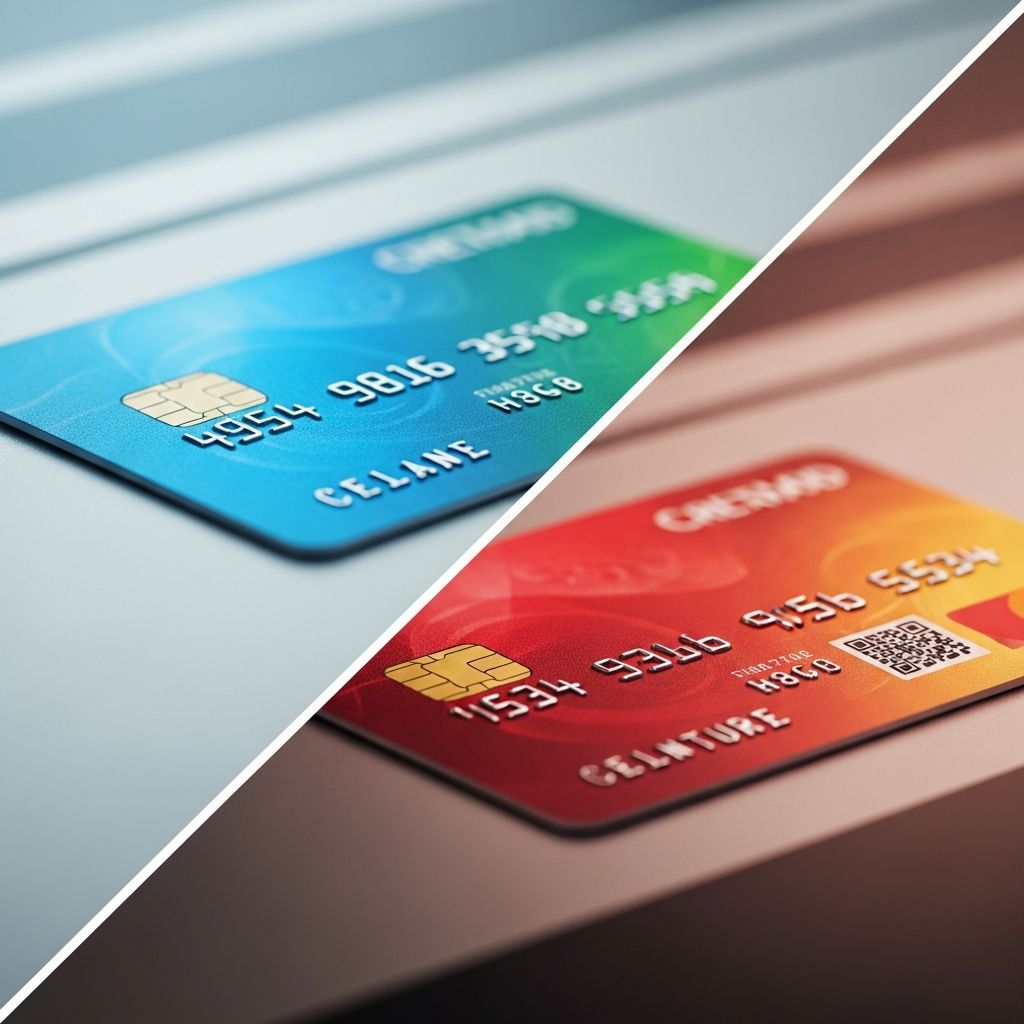
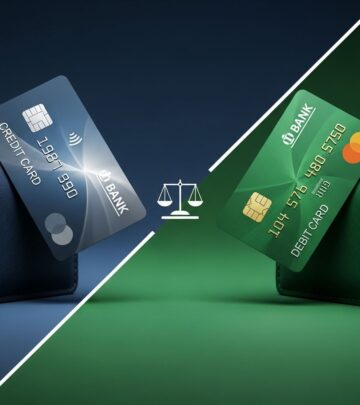
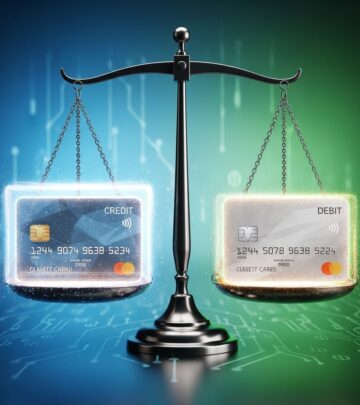
Standing at the checkout counter, you’ve likely faced the classic dilemma: swipe debit or credit? Both options offer convenience, but they differ significantly in how they impact your finances, security, and long-term wealth-building potential. Debit cards draw directly from your bank account, promoting spending discipline, while credit cards provide borrowed funds with rewards but potential debt risks. This article breaks down the pros, cons, security features, rewards, and ideal scenarios for each to empower you with informed decisions.
Understanding Debit and Credit Cards
Debit cards link directly to your checking or savings account, deducting funds immediately upon purchase. This setup ensures you spend only what you have, eliminating interest charges and debt accumulation. Credit cards, conversely, let you borrow up to a limit set by the issuer, with a grace period to pay without interest if balanced monthly. However, carrying a balance triggers high APRs often exceeding 20%. Federal regulations like the Electronic Fund Transfer Act govern debit protections, while the Fair Credit Billing Act bolsters credit card fraud safeguards.
Key differences include funding source—your money vs. issuer’s—and liability limits. Debit fraud resolution can take days with funds frozen, unlike credit’s disputed charges that don’t affect your wallet during investigation. In 2024, U.S. consumers reported over 400,000 credit card fraud cases, underscoring the need for vigilance regardless.
Pros and Cons of Debit Cards
Debit cards shine for budget-conscious shoppers. Here’s a detailed look:
Pros of Using Debit Cards
- No interest or debt risk: Transactions pull from available funds, avoiding the high-interest traps of credit. No ongoing balances mean no finance charges.
- Easy approval: No credit check required; anyone with a bank account qualifies instantly.
- Budget control: Real-time deductions curb overspending and impulse buys, ideal for sticking to a plan.
- ATM access: Free withdrawals at in-network machines, unlike credit cash advances with fees and immediate interest.
- Perks available: Some offer cash back (1-2%), overdraft opt-outs, and fee reimbursements.
Cons of Using Debit Cards
- Weaker fraud protection: Federal law limits liability to $50 if reported promptly, but without zero-liability policies, losses hit your account faster than credit.
- No credit building: Payments don’t report to bureaus, missing opportunities to boost scores.
- Overdraft fees: Transactions exceeding balance can incur $35+ fees unless protection is declined.
- Limited emergency use: No borrowing power; can’t cover unexpected costs beyond your balance.
- Spending caps: Daily limits (e.g., $500-$5,000) restrict large purchases.
Pros and Cons of Credit Cards
Credit cards excel in rewards and protections but demand discipline. Evaluate these factors:
Pros of Using Credit Cards
- Superior fraud protection: Zero liability for unauthorized charges under federal law; disputes pause payments without fund loss.
- Builds credit: On-time payments improve scores, unlocking better loans and rates.
- Rewards and perks: Cash back (2-5%), points, travel miles, purchase protection, extended warranties.
- Emergency buffer: Access credit line for unforeseen expenses without depleting savings.
- Grace period: 21-25 days interest-free if paid in full monthly.
Cons of Using Credit Cards
- Interest accrues: APRs average 24.7% (2025 data); minimum payments prolong debt.
- Tempts overspending: “Buy now, pay later” illusion leads to balances; average U.S. household debt hit $8,000 in 2025.
- Fees galore: Annual ($95+), late ($40), foreign transaction (3%), cash advance.
- Requires good credit for approval and best terms.
- Utilization impact: High balances ding scores even if paid off.
Security: Debit vs. Credit
Security is paramount in a digital age with rising skimming and data breaches. Credit cards offer robust defenses: issuers absorb fraudulent charges, providing temporary credit during probes. Debit cards, tied to your funds, risk delays—funds may be unavailable for days or weeks. EMV chips, PINs, and contactless tech enhance both, but Regulation E limits debit liability to $50/$500 if reported timely.
Stats show credit fraud disputes resolve 90% faster. Tips: Monitor statements weekly, use virtual numbers, enable alerts, and freeze cards post-loss. For businesses, debit lowers chargeback risks but exposes to overdrafts.
Rewards and Perks Comparison
| Feature | Debit Cards | Credit Cards |
|---|---|---|
| Cash Back | 0.5-2% on select categories | 1-5% rotating/high-rewards |
| Travel Perks | Rare (ATM rebates) | Miles, lounge access, insurance |
| Protections | Basic purchase coverage | Extended warranty, returns, rental car |
| Sign-up Bonus | Occasional $50-200 | $200-500+ after spend |
| Annual Fee | None | $0-$550 |
Credit dominates rewards, with top cards yielding 4% returns vs. de bit’s 1%. Pair with autopay to avoid interest erosion.
When to Use Debit Cards
- Budget enforcement: Struggling with debt? Debit enforces limits.
- Small, routine buys: Groceries, gas—no need for rewards.
- Cash needs: Fee-free ATMs beat advances.
- Avoiding fees: No interest or foreign charges.
- Rebuilding finances: Debt-free spending rebuilds habits.
When to Use Credit Cards
- Large purchases: 0% APR promos, protections for appliances.
- Travel/Online: Miles, fraud safety abroad.
- Rewards maximization: Groceries on 4% card.
- Building credit: Thin file? Use/pay off.
- Emergencies: Buffer without savings drain.
Debit vs. Credit: A Quick Comparison Table
| Aspect | Debit | Credit |
|---|---|---|
| Funding | Your money immediate | Borrowed, pay later |
| Interest | None | Yes if not paid full |
| Fraud Liability | Up to $50-$500 | $0 most cases |
| Builds Credit | No | Yes |
| Rewards | Basic | Extensive |
| Best For | Budgeting | Rewards/Protection |
Frequently Asked Questions (FAQs)
Is debit safer than credit?
No, credit offers stronger fraud protection with zero liability and faster resolution.
Can debit cards build credit?
Generally no, as they don’t involve borrowing.
Do debit cards have rewards?
Yes, but less generous than credit’s 2-5% cash back.
What if debit overdrafts?
Opt out to avoid $35 fees; some banks charge regardless.
Which for international travel?
Credit: better rates, protections; notify issuer.
Hybrid options?
Charge cards or secured credit blend features.
Ultimately, blend both: debit for discipline, credit for perks. Track via apps, pay full, and align with goals for financial wins.
References
- Credit Card vs. Debit Card: How Are They Different? — Experian. 2024-07-15. https://www.experian.com/blogs/ask-experian/debit-card-vs-credit-card-how-are-they-different/
- The Pros and Cons of Purchasing with Debit vs. Credit — Citadel Banking. 2025-01-10. https://www.citadelbanking.com/citadel-financial-wellness/learn-and-plan/pay-now-or-pay-over-time
- Debit Cards vs Credit Cards Key Differences and Benefits — Dollar Bank. 2025-08-01. https://dollar.bank/be-dollar-wise/august-2025/debit-cards-vs-credit-cards-key-differences-and-benefits
- Credit Card vs Debit Card: Which Works Best for Businesses? — Clover. 2024-09-20. https://uk.clover.com/insights/credit-card-vs-debit-card-which-works-best-for-businesses/
- Credit cards vs. debit cards for businesses — Stripe. 2025-03-12. https://stripe.com/resources/more/credit-card-vs-debit-card-for-businesses-a-guide-to-using-both-strategically
- 5 Pros and Cons of Debit Cards vs Credit Cards — Dexsta. 2024-11-05. https://www.dexsta.com/pros-and-cons-of-debit-cards-vs-credit-cards/
Similar Articles








Read full bio of Sneha Tete