Debit vs Credit Cards: Understanding Financial Tools
Explore key distinctions between debit and credit cards to make informed financial decisions.

In today’s digital economy, payment methods have evolved far beyond cash transactions. Two of the most common tools for managing personal finances are debit cards and credit cards. While they may look identical and serve similar purposes at the point of sale, these financial instruments operate on fundamentally different principles. Understanding their distinctions is essential for making informed decisions about which tool best serves your financial goals and circumstances.
The Fundamental Operating Principle
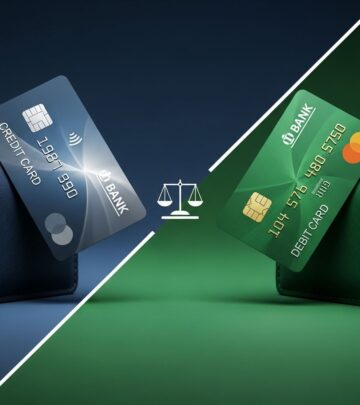
The core distinction between these two card types hinges on the source of funds used for transactions. When you swipe a debit card, you are drawing directly from your existing bank account balance. This means the purchase amount is deducted from your checking or money market account almost immediately. In contrast, a credit card functions as a borrowing mechanism—when you use it for a purchase, you are accessing a line of credit provided by the card issuer, and you will receive a bill later requiring repayment.
This fundamental difference creates a ripple effect across numerous aspects of how these cards function, including fees, interest charges, credit-building opportunities, and fraud protections. Recognizing this distinction is the first step toward developing a comprehensive strategy for using both tools effectively.
Transaction Processing and Payment Timing
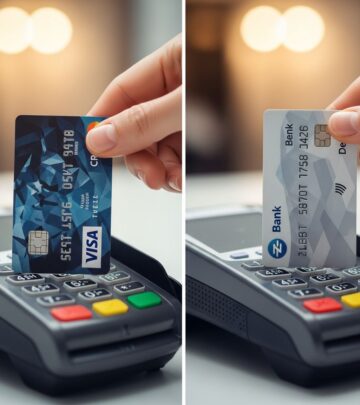
The mechanics of how transactions are processed differ significantly between the two card types. With a debit card, when you complete a purchase at a retail location, online, or through any other merchant, the transaction is processed almost instantaneously. The funds are withdrawn from your linked account in real-time, meaning your account balance decreases immediately upon purchase completion.
Credit card transactions operate on a different timeline. When you make a purchase, the transaction is recorded and added to your account balance, but no immediate payment is required. Instead, you receive a monthly statement detailing all transactions from that billing period. You then have the option to pay the entire balance, make a minimum payment, or pay any amount in between by a specified due date.
- Debit Card Timeline: Purchase → Immediate fund withdrawal → Transaction complete
- Credit Card Timeline: Purchase → Added to account balance → Monthly statement → Payment due date → Fund withdrawal
Interest Charges and Associated Costs
One of the most significant financial implications of choosing between these payment methods relates to interest charges. Because debit cards involve the immediate use of your own money, no interest charges apply to your transactions. You are not borrowing funds, so there is no debt accruing interest. This straightforward structure means you pay only what you spend, with no additional costs beyond the transaction itself.
Credit cards introduce the concept of interest charges. If you do not pay your complete balance by the due date specified on your monthly statement, the issuer will charge interest on the remaining balance. This interest typically accrues at a rate specified in your card agreement, often referred to as the Annual Percentage Rate or APR. For consumers who carry balances month-to-month, these interest charges can accumulate significantly, increasing the total cost of purchases well beyond their original price.
Additionally, credit cards may charge cash advance fees if you use your card to borrow physical cash. These advances typically come with transaction fees and interest rates that are higher than standard purchase APRs, with interest beginning to accrue immediately.
Spending Limits and Account Management
The constraints on how much you can spend with each card type reflect their different operational models. With a debit card, your spending limit is directly tied to your available account balance. You cannot spend more than what exists in your linked checking or money market account, unless you have overdraft protection enabled. If you attempt a purchase that exceeds your available funds, the transaction will likely be declined, or you may incur an overdraft fee if your bank covers the transaction.
Credit cards operate with a predetermined credit limit established by the card issuer. This limit is determined based on factors such as your credit history, credit score, income level, existing debt obligations, and other financial indicators. Your credit limit represents the maximum amount you can borrow on that card. Exceeding this limit may result in a declined transaction or, in some cases, an over-limit fee if your card issuer permits over-limit transactions.
| Aspect | Debit Card | Credit Card |
|---|---|---|
| Spending Limit Source | Your account balance | Issuer-determined credit line |
| Exceeding Limit | Transaction declined or overdraft fee | Transaction declined or over-limit fee |
| Limit Flexibility | Limited to what you have saved | Can be increased by card issuer |
Credit Building and Financial History
A critical distinction between these payment methods involves their impact on your credit profile. Using a credit card responsibly—making purchases and paying your bill on time—contributes positively to your credit history and can improve your credit score[10]. Payment history, credit utilization, and account longevity are all factors that credit bureaus consider when calculating credit scores, and credit card activity directly influences these metrics.
Debit cards, conversely, do not contribute to building your credit history. Because you are using your own funds rather than borrowing, no credit activity is reported to credit bureaus[11]. If your goal is to establish or improve your creditworthiness—which affects your ability to qualify for loans, mortgages, and other credit products—debit cards alone will not assist in this endeavor.
Fraud Protection and Liability
Federal regulations provide different levels of protection depending on which card type is compromised. Credit cards generally offer stronger fraud protections under federal law. If your credit card is used fraudulently, your liability for unauthorized charges is typically limited to $50, and many issuers offer zero-liability policies, meaning you are not responsible for fraudulent purchases[12].
Debit cards provide fewer protections for fraudulent transactions. While federal law limits your liability depending on when you report the fraud, the protection is more limited than that offered to credit card holders. If unauthorized transactions occur, your own money is withdrawn from your account, and recovering those funds may take longer than with credit card fraud[13]. This makes debit cards potentially riskier for online transactions or in environments where your card information could be compromised.
Fee Structures and Associated Costs
Both card types can incur fees, though the types of fees differ. Debit cards may charge overdraft fees if you attempt a transaction exceeding your available balance, non-sufficient funds fees for declined transactions, and out-of-network ATM fees if you withdraw cash from an ATM not affiliated with your bank[14]. However, many financial institutions offer free checking accounts with no monthly maintenance fees.
Credit cards typically charge annual fees (though many cards have no annual fee), late payment fees if your bill is not paid by the due date, over-limit fees if you exceed your credit limit, and cash advance fees and interest if you borrow physical cash[15]. Additionally, if you transfer a balance from another card or engage in other special transactions, applicable fees may apply.
Cash Access and ATM Usage
Both card types provide convenient access to cash, though through different mechanisms. Debit cardholders can withdraw cash directly from ATMs linked to their financial institution, typically at no charge[16]. Many retail stores also permit debit cardholders to request cash back during a purchase transaction, providing immediate access to physical currency without an additional trip to an ATM.
Credit card holders can access cash through cash advances, but this method comes with costs. Cash advances typically trigger transaction fees, and interest begins accruing immediately at rates higher than standard purchase APRs[17]. This makes obtaining cash through a credit card more expensive than using a debit card or visiting an ATM.
Spending Habits and Budgeting Implications
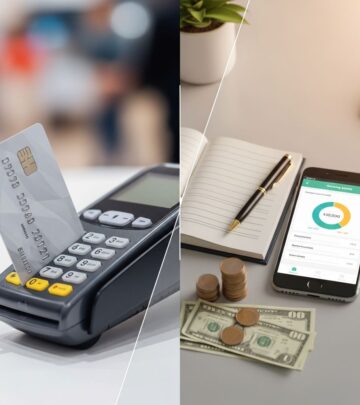
The psychological and practical impact of using debit versus credit cards can significantly influence spending behavior. Debit cards create an immediate, tangible connection between spending and money leaving your account. This real-time feedback can help users maintain stricter budgets and avoid overspending, as they can only spend what they have available[18]. This makes debit cards particularly useful for individuals working to establish disciplined spending habits or adhere to a specific budget.
Credit cards, by contrast, can potentially encourage overspending because the payment is delayed. Without careful tracking, users may not fully realize how much they are spending until their monthly statement arrives. The delayed consequence of spending can make it easier to accumulate purchases beyond one’s intended budget, potentially leading to debt accumulation if the full balance is not paid monthly[19].
Rewards and Additional Benefits
Credit cards frequently offer rewards programs that provide cash back, points, or miles for eligible purchases. These rewards can represent meaningful value for consumers who pay their balance in full monthly[20]. Some premium credit cards also offer additional benefits such as purchase protection, extended warranties, travel insurance, and concierge services.
Debit cards typically do not offer comparable rewards programs or supplementary benefits[21]. The primary advantage of debit card usage is the immediate payment and avoidance of debt rather than earning rewards on transactions.
Frequently Asked Questions
Can I use my debit card to build credit?
Generally, no. Debit card usage does not contribute to your credit history because no borrowing is involved. However, some financial institutions may offer secured credit cards or credit-builder products that do contribute to credit history development.
Which card is safer for online shopping?
Credit cards typically offer stronger fraud protections with limited liability for unauthorized purchases. However, both cards can be used safely online if you take precautions such as verifying merchant legitimacy and protecting your card information.
What should I do if my debit card is stolen?
Report the theft to your bank immediately. Federal law limits your liability depending on when you report the loss, with liability potentially ranging from $50 to $500 or more if you delay reporting.
Is it possible to overdraft with a debit card?
Yes, if your bank offers overdraft protection. However, overdraft fees typically apply. You can often opt out of overdraft protection to prevent transactions from being covered when insufficient funds exist.
Should I use only one type of card?
Many financial experts recommend using both strategically. Debit cards work well for everyday purchases and budgeting, while credit cards can be used for larger purchases where fraud protection matters and for building credit through responsible usage.
Making Your Decision
Choosing between debit and credit cards—or determining when to use each—depends on your personal financial situation, goals, and habits. If you are working to establish credit, need fraud protection, or want to earn rewards, a credit card used responsibly is valuable. If you prefer to spend only what you have, want to maintain strict budget discipline, or prefer to avoid debt, a debit card may be your primary tool[22].
The most financially sophisticated approach often involves using both tools strategically: leveraging credit cards for their benefits while maintaining debit card usage for daily spending discipline. Understanding the distinct advantages and disadvantages of each empowers you to construct a payment strategy aligned with your financial objectives.
References
- The Difference Between Debit and Credit Cards — Bar Harbor Bank. 2024. https://www.barharbor.bank/personal/the-difference-between-debit-and-credit-cards
- Credit Cards vs. Debit Cards: Key Differences — Capital One. 2024. https://www.capitalone.com/learn-grow/money-management/credit-vs-debit-cards/
- Debit Cards vs Credit Cards: Key Differences and Benefits — Dollar Bank. 2025. https://dollar.bank/be-dollar-wise/august-2025/debit-cards-vs-credit-cards-key-differences-and-benefits
- Credit Card vs. Debit Card: What’s the Difference? — Citi. 2024. https://www.citi.com/credit-cards/understanding-credit-cards/credit-card-vs-debit-card
- When to Use Your Credit vs Debit Card — Citizens Bank. 2024. https://www.citizensbank.com/learning/when-to-use-cash-credit-debit.aspx
- Debit Card vs Credit Card: Which One is Better? — Santa Cruz County Credit Union. 2024. https://www.sccu.com/articles/personal-finance/debit-card-vs-credit-card-which-is-better
- Credit vs. Debit Card: The Main Differences — TD Bank. 2024. https://www.td.com/us/en/personal-banking/when-to-use-credit-or-debit-card
Similar Articles








Read full bio of medha deb