Debit Cash Withdrawals and Credit Scores
Discover why pulling cash from your debit card won't ding your credit score, but understand the nuances of banking habits and financial health.
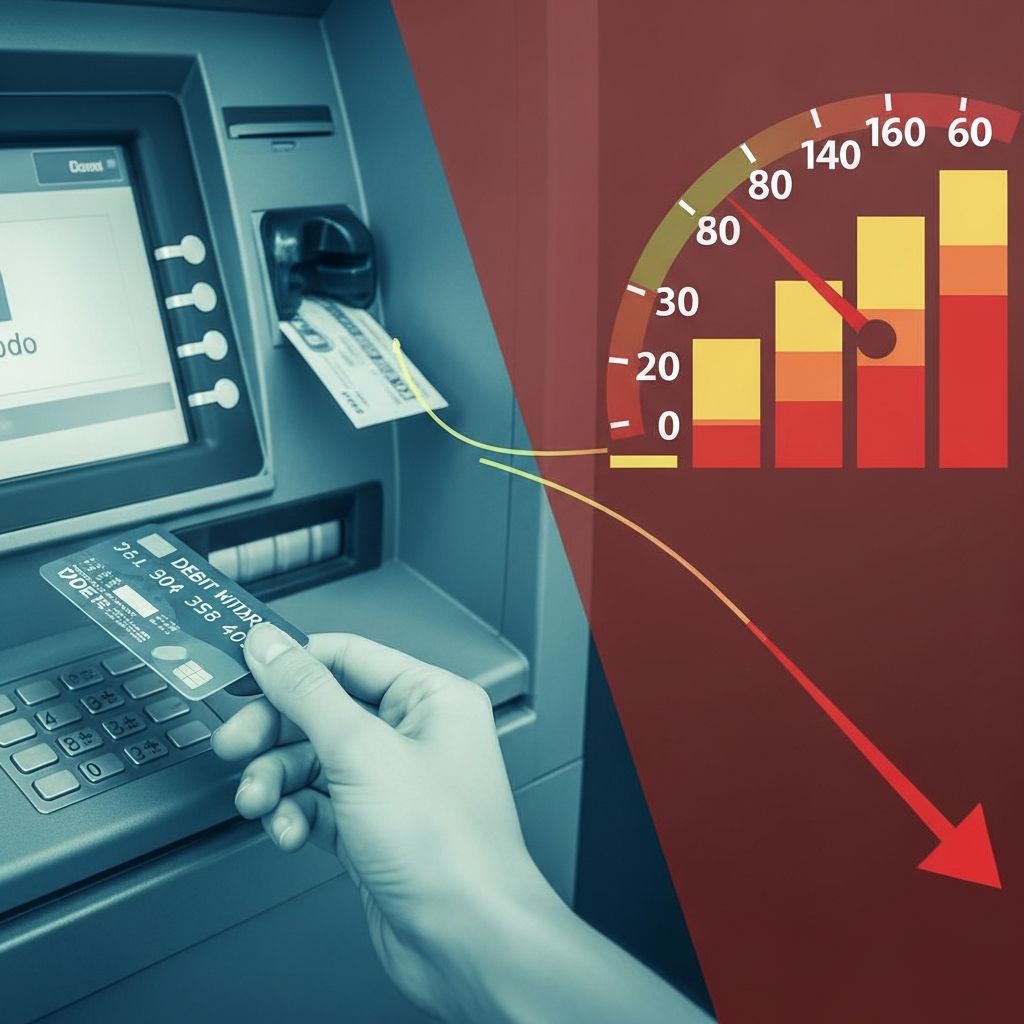
Withdrawing cash using a debit card typically has no direct effect on your credit score because it involves spending your own deposited funds rather than borrowing money. Credit scores reflect borrowing behavior, and debit transactions do not appear on credit reports from major bureaus like Experian, Equifax, or TransUnion.
Understanding Debit Cards vs. Credit Cards
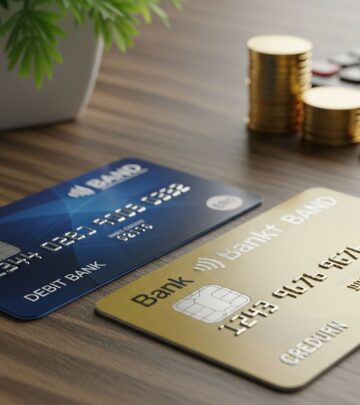
Debit cards link directly to your checking or savings account, allowing you to access available balance without incurring debt. When you withdraw cash at an ATM or point-of-sale, banks process it as a direct deduction from your funds. This differs fundamentally from credit cards, where cash advances represent loans that accrue interest and fees immediately.
Key distinctions include:
- Funding Source: Debit uses pre-existing money; credit creates new debt.
- Reporting: Most debit activity stays invisible to credit bureaus.
- Costs: Debit withdrawals may incur ATM fees, but no interest.
Why Debit Withdrawals Skip Credit Reports
Credit bureaus track accounts where lenders extend credit lines, such as loans, mortgages, and revolving credit cards. Since debit cards do not involve credit extension, routine use—including cash withdrawals—remains off these reports. Even selecting the ‘credit’ option at checkout (to avoid PIN entry) rarely reports to bureaus, as it authorizes a debit transaction.
Exceptions exist with specialized products. For instance, certain debit cards tied to credit-building programs report positive payment activity. The Experian Smart Money Digital Checking Account, for example, reports utility and rent payments made from the linked debit card, potentially boosting scores after consistent use.
The Real Impact of Frequent Cash Withdrawals
While credit scores remain unaffected, heavy debit cash withdrawals can influence lender perceptions indirectly. Some platforms assess ‘affordability scores,’ which evaluate spending patterns for loan approvals. Frequent ATM visits or cash usage might signal unpredictability to lenders, as they prefer traceable digital transactions.
In the UK, services like ClearScore note that excessive cash withdrawals (more than once weekly) could lower affordability ratings, prompting lenders to question repayment ability. Banks aim to monitor monthly outflows clearly, and cash complicates this visibility.
Credit Card Cash Advances: A Different Story
Unlike debit, credit card cash advances harm scores indirectly. These transactions add to your balance immediately, spiking credit utilization—a factor comprising about 30% of FICO scores. Utilization above 30% drags scores down, and advances worsen this faster due to instant interest (often 25%+ APR) and fees (3-5% of amount).
| Aspect | Debit Withdrawal | Credit Advance |
|---|---|---|
| Credit Score Impact | None direct | Indirect via utilization |
| Interest | None | Immediate, high rate |
| Reporting | Not to bureaus | Yes, as balance increase |
| Fees | ATM fee possible | 3-5% + interest |
Maintaining utilization under 10% for optimal scores becomes challenging post-advance, especially on high-balance cards.
Hidden Risks of Credit Advances
Beyond utilization, advances lead to cascading issues. Interest accrues from day one without a grace period, unlike purchases. Payments apply first to lower-rate purchases, prolonging advance payoff and ballooning debt. This can elevate minimum payments, straining budgets and risking late payments—35% of score weight.
A large advance might push utilization over 30%, dropping scores temporarily. Missed payments from escalating balances linger seven years on reports.
Building Credit with Debit Alternatives
Traditional debit cards neutralize credit impact, but innovative options build history positively. Credit-builder debit products report on-time bill payments from your account, fostering scores without debt. Programs like Experian Smart Money track rent, utilities, and telecom via linked debit, reflecting positively after three months.
- Consistent payments improve payment history.
- No interest or fees for using your funds.
- Ideal for newcomers to credit.
Best Practices for Cash Needs
To avoid pitfalls:
- Prioritize debit for cash to sidestep credit risks.
- Limit withdrawals to reduce fees and track spending digitally.
- Monitor accounts for overdraft risks, which could indirectly affect credit if unresolved.
- Use bank ATMs to minimize costs.
For urgent funds, explore personal loans or lines of credit with lower rates over advances.
Overdrafts and Credit Connections
Debit overdrafts can indirectly impact credit if fees lead to unpaid bank debts reported as collections. Unpaid overdraft balances over $500 may appear on reports after 180 days, hurting scores. Linking savings or enabling alerts prevents this.
Monitoring Your Financial Profile
Regular credit checks reveal utilization trends. Free weekly reports from AnnualCreditReport.com help track changes. Apps distinguishing affordability from credit scores provide fuller pictures.
Frequently Asked Questions
Does choosing ‘credit’ on debit affect my score?
No, it’s processed as debit despite the label.
Can debit build credit?
Yes, via reporting programs like Experian Smart Money.
How quickly do advances hurt scores?
Next statement cycle, via reported balance.
What’s safer for cash: debit or advance?
Always debit to avoid debt cycles.
Do all banks report overdrafts?
Not initially, but persistent negatives can.
Long-Term Financial Strategies
Focus on low utilization, timely payments, and diverse credit mix for strong scores. Debit habits support budgeting without credit exposure. Educate on advance traps to preserve health. Responsible cash management ensures lender confidence.
References
- Only cash withdrawals using a credit card, not a debit card, impact on a credit score — Full Fact. 2023-08-14. https://fullfact.org/online/cash-withdrawals-credit-score/
- Does Withdrawing Cash With a Debit Card Affect Your Credit Score? — Experian. N/A. https://www.experian.com/blogs/ask-experian/does-withdrawing-cash-with-debit-card-affect-credit-score/
- Does a Cash Advance Hurt Your Credit Score? — KOHO. N/A. https://www.koho.ca/learn/does-cash-advance-hurt-credit-score/
- Does a Cash Advance Hurt Your Credit? — Experian. N/A. https://www.experian.com/blogs/ask-experian/does-cash-advance-hurt-credit/
- Will a Cash Advance Hurt My Credit Score? Understanding the Risks, Alternatives, and Credit Impact — Ava. N/A. https://www.meetava.com/blog/will-a-cash-advance-hurt-my-credit-score-understanding-the-risks-alternatives-and-credit-impact
- Does a Cash Advance Hurt Your Credit? — LendingTree. N/A. https://www.lendingtree.com/credit-repair/how-does-a-cash-advance-affect-your-credit/
Similar Articles








Read full bio of medha deb