Debit Cards and Savings Accounts Explained
Discover why savings accounts rarely include debit cards, explore practical alternatives for accessing funds, and learn how to optimize your banking setup for both saving and spending needs.
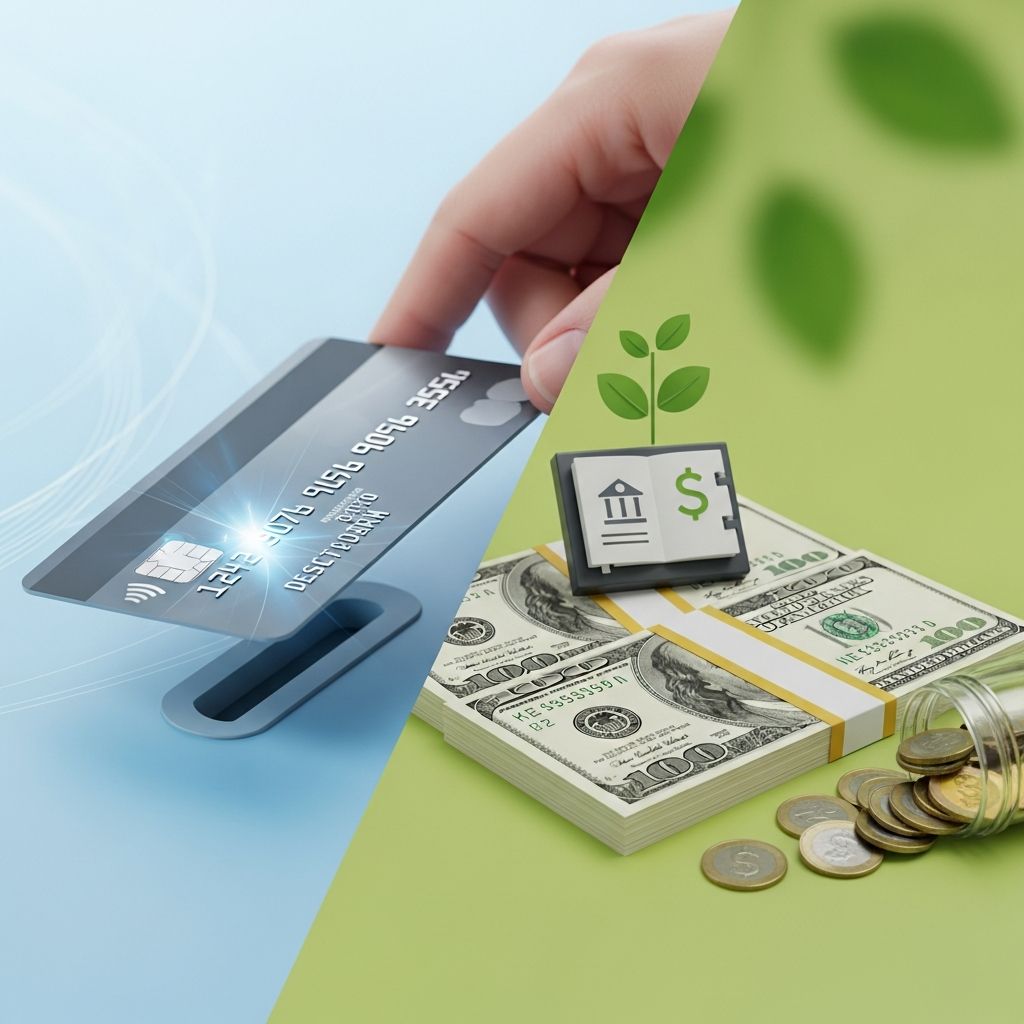
Savings accounts are primarily designed for accumulating funds over time rather than facilitating daily transactions. As a result, financial institutions rarely issue debit cards directly linked to these accounts. This setup encourages users to preserve their savings while directing routine expenses to more suitable checking products.
Why Savings Accounts Lack Debit Cards
The core purpose of a savings account revolves around building financial security through interest-earning deposits. Attaching a debit card would expose these funds to impulsive spending, undermining goals like emergency reserves or future investments. Federal guidelines, such as Regulation D, historically capped certain withdrawals at six per month to reinforce this distinction, although many banks have adjusted policies post-2020 changes.
Banks impose these restrictions to promote disciplined saving habits. Exceeding limits often triggers fees or account conversion to checking types. High-yield savings options prioritize competitive annual percentage yields (APY) over transaction flexibility, further emphasizing their non-spending role.
Available Access Methods for Savings Funds
While full debit functionality remains unavailable, several practical pathways exist to retrieve cash or move money without a dedicated debit card.
- ATM Cards: Select institutions provide ATM-only cards tied to savings accounts, permitting cash withdrawals at compatible machines but prohibiting point-of-sale or online purchases.
- Linked Account Withdrawals: Holding both checking and savings at the same bank allows ATM selection of the savings source during cash dispensing.
- Digital Transfers: Online banking apps enable swift shifts from savings to checking, followed by debit card usage from the latter.
These methods maintain savings integrity while offering necessary liquidity. Daily ATM limits typically range from $300 to $1,000, varying by institution and account tier.
Account Types That Do Provide Debit Access
Not all deposit accounts follow the savings model. Several alternatives blend saving potential with spending convenience:
| Account Type | Debit Card Availability | Key Features | Interest Potential |
|---|---|---|---|
| Checking Account | Yes | Unlimited transactions, bill pay | Low or none |
| Money Market Account | Often | Higher limits, check-writing | Moderate APY |
| Cash Management Account | Yes | Hybrid checking/savings | Competitive yields |
| High-Yield Checking | Yes | Transaction rewards | Variable APY |
Money market accounts, for instance, frequently include debit cards alongside better rates than standard checking, ideal for those needing occasional access without fully sacrificing growth.
Navigating Transaction Limits and Fees
Understanding withdrawal constraints is crucial for avoiding penalties. Although the six-transaction rule was rescinded, banks may still enforce internal caps:
- Free withdrawals: Often 6-10 per cycle.
- Excess fees: $3-$15 per additional action.
- No-limit options: Emerging at online-only providers.
Review account disclosures for specifics. Tools like mobile alerts help monitor activity, preventing unintended charges. For frequent needs, prioritize accounts without such hurdles.
Prepaid Cards as a Savings Substitute?
Prepaid debit cards offer spending capability without traditional banking ties. Users load funds manually, using them like debit cards for purchases or ATM draws. However, they differ fundamentally from savings accounts:
- No interest accrual.
- Potential loading/usage fees.
- Not FDIC-insured unless from partnered banks.
Best for budgeting or unbanked individuals, but inferior for long-term growth compared to true savings products.
Opening Accounts: What You’ll Need
To establish checking or savings accounts eligible for debit cards, prepare standard documentation:
- Government-issued photo ID (driver’s license, passport).
- Social Security Number or ITIN.
- Proof of address (utility bill, bank statement).
Online applications streamline the process, often approving debit issuance upon account activation. Minors may require guardian co-signing.
Strategies for Linking Savings and Spending
Optimize your setup by pairing accounts strategically:
- Select institutions offering seamless transfers (instant between internal accounts).
- Automate savings deposits from checking post-paycheck.
- Use apps for peer-to-peer or wire options across banks.
- Monitor for promotional APYs on bundled products.
This approach preserves savings while enabling fluid access. For example, transfer only required amounts to checking, minimizing idle low-yield balances.
Choosing the Right Bank for Your Needs
Compare providers based on:
- APY for savings.
- Debit/ATM network reach.
- Fee waivers (direct deposit, minimums).
- Mobile app ratings for transfers.
Online banks often excel in yields but verify ATM reimbursements. Credit unions provide member perks like lower fees.
Frequently Asked Questions
Can I withdraw savings cash without a debit card?
Yes, via ATM cards, branch visits, or transfers to checking for debit use.
What happens if I exceed savings withdrawal limits?
Banks may charge fees, restrict online access, or convert the account.
Do all checking accounts come with debit cards?
Most do, but confirm during signup; some premium versions offer enhanced rewards.
Are money market accounts better than savings for access?
Often yes, with debit cards and higher limits while earning interest.
How quickly can I transfer savings to checking?
Instantly within the same bank; 1-3 days across institutions.
Building a Balanced Banking Portfolio
Effective money management hinges on matching accounts to purposes. Reserve savings for growth, checking for transactions, and hybrids like money markets for flexibility. Regularly assess fees, rates, and features amid evolving regulations. Digital tools enhance control, from budgeting apps tracking transfers to alerts signaling limits. By avoiding debit temptation on savings, you safeguard progress toward financial goals like home down payments or retirement.
For those with high transaction volumes, explore cash management accounts from fintechs, mimicking brokerage sweep features with FDIC protection and debit perks. Always prioritize insured institutions up to $250,000 per depositor.
References
- Can You Get a Debit Card for a Savings Account? — Experian. 2023-05-15. https://www.experian.com/blogs/ask-experian/can-you-get-debit-card-for-savings-account/
- Can You Get a Debit Card for a Savings Account? — SoFi. 2024-02-20. https://www.sofi.com/learn/content/can-you-get-a-debit-card-for-a-savings-account/
- Can You Get a Debit Card for a Savings Account? — SmartAsset. 2023-11-10. https://smartasset.com/checking-account/can-you-get-a-debit-card-for-a-savings-account
- How to Get a Debit Card — Chase Bank. 2024-01-05. https://www.chase.com/personal/banking/education/basics/how-to-get-a-debit-card
- Savings Account Checklist — Bankrate. 2023-09-12. https://www.bankrate.com/banking/savings/savings-account-checklist/
Similar Articles








Read full bio of Sneha Tete