Debit Cards: Hidden Dangers in 2026
Discover why debit cards pose greater fraud risks than credit cards in 2026 and learn essential strategies to safeguard your finances effectively.

In an era of escalating digital threats, debit cards remain a staple for everyday spending, yet they harbor significant vulnerabilities that can drain your bank account swiftly. Unlike credit cards, which offer robust safeguards backed by federal regulations, debit cards expose users to immediate financial loss when compromised. This article delves into the core reasons debit cards fall short in security, highlights emerging fraud tactics in 2026, and provides actionable steps to fortify your defenses.
Understanding the Core Vulnerabilities of Debit Cards
Debit cards link directly to your checking account, meaning unauthorized transactions withdraw your own funds instantly, often before you notice. This direct access creates a high-stakes environment where delays in detection can lead to catastrophic losses. Federal rules under Regulation E impose liability limits, but these come with stringent timelines that many overlook.
For instance, if you report a lost or stolen debit card before any unauthorized use, your liability is zero. Reporting within two business days caps it at $50, but after that—up to 60 days from your statement—it jumps to $500. Beyond 60 days, you face unlimited liability, potentially losing your entire balance. This structure incentivizes constant vigilance, a burden not equally placed on credit card users.
| Reporting Timeline | Maximum Liability |
|---|---|
| Before unauthorized transfers | $0 |
| Within 2 business days | $50 |
| 2-60 days from statement | $500 |
| After 60 days | Unlimited |
This table illustrates the narrowing window of protection, emphasizing why prompt action is critical for debit card holders.
Debit vs. Credit: A Stark Contrast in Fraud Protection
Credit cards provide a superior shield against fraud primarily because disputes involve the issuer’s funds, not yours. Liability is federally capped at $50 per card, with most networks like Visa and Mastercard offering zero-liability policies that waive even this amount. The dispute window extends to 60 days from the statement date, without the escalating penalties seen in debit scenarios.
In contrast, debit fraud disrupts cash flow immediately—bills bounce, overdrafts accrue fees, and provisional credits from banks can take 10-45 days. While banks must investigate promptly, the interim hardship falls squarely on the consumer. Credit cards buffer this, allowing normal spending during resolution.
- Credit Cards: Fight with bank’s money; $0-$50 liability; 60-day dispute window.
- Debit Cards: Your money at risk; tiered liability up to unlimited; strict 60-day cutoff.
This disparity makes credit the safer choice for high-risk activities like online shopping.
2026 Fraud Landscape: Evolving Threats Targeting Debit Users
Payments fraud has surged in sophistication, fueled by AI and standardized tools that amplify criminal efficiency. Recorded Future’s 2026 report notes a flatline in stolen credit card data availability—down 20% from 2025—yet attacks grow deadlier through better exploitation. Fraudsters automate fake stores, skim data via Magecart hacks (10,500 active in 2025, compromising 23 million transactions), and bypass one-time passwords.
ATM fraud has advanced beyond basic skimmers to “shimmers” that target chip cards and malware forcing cash dispensing. Account takeover via smishing—spoofed texts mimicking banks—clones digital wallets across devices for global spending. Even paper checks see rising unique image exposures at 233,000 in 2025.
Nacha’s 2026 rules mandate enhanced monitoring for WEB debits and micro-entries, signaling heightened risks in online pulls from accounts. Banks face pressures from fintech debit innovations like buy-now-pay-later cards pulling from non-primary deposits.
Real-World Impacts: Cash Flow Chaos from Debit Fraud
When thieves strike a debit card, the ripple effects extend beyond the stolen amount. Immediate debits can trigger overdraft fees, failed payments for essentials like utilities or rent, and strained relationships with payees. Banks provisionally restore funds within 10 days, but full resolution drags to 45 days, leaving users in limbo.
“Slow drain” schemes—tiny, repeated withdrawals—evade detection until balances vanish, exploiting the 60-day rule. Victims missing deadlines forfeit recovery, a trap amplified by 2026’s AI-optimized scams testing cards with micro-charges before draining them.
Proactive Defense: Essential Strategies for Debit Card Safety
Minimize exposure with these vetted practices tailored to 2026 threats:
- Prioritize Credit for Risky Transactions: Reserve debit for low-stakes, in-person use; opt for credit online and for subscriptions.
- Weekly Monitoring: Review app transactions frequently to hit the 2-day window.
- Transaction Alerts: Set notifications for any activity over $10 to catch tests instantly.
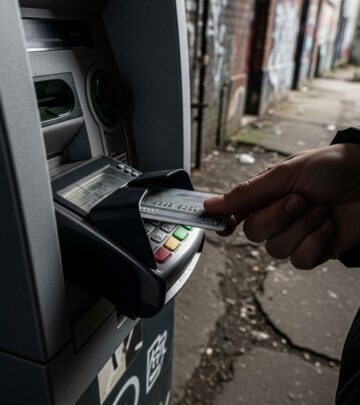
- ATM Caution: Use well-lit machines, inspect slots for shimmers, avoid standalone units.
- Lock Features: Enable card controls to freeze on suspicion.
- Report Swiftly: Call immediately on anomalies—speed preserves protection.
These steps transform reactive panic into preventive control.
Navigating Bank and Network Policies
Not all debit protections are equal—network affiliation matters. Visa and Mastercard zero-liability often applies, but confirm with your issuer. Banks must comply with Regulation E, yet practices vary; some offer extended windows or faster credits. Review terms annually, especially post-Nacha updates.
| Network/Rule | Key Protection |
|---|---|
| Visa/Mastercard | Zero liability for fraud |
| Regulation E | Timeline-based caps |
| Nacha 2026 | Enhanced WEB debit screening |
Frequently Asked Questions (FAQs)
What is my liability if my debit card is hacked?
Zero if reported before use; up to $50 within 2 days; $500 up to 60 days; unlimited after.
Are debit cards safe for online purchases?
Less so than credit due to direct account access; use virtual cards or credit alternatives.
How do AI scams target debit cards?
By automating micro-tests, fake sites, and OTP thefts for rapid exploitation.
Can I get my money back after 60 days?
Typically no, unless provable extenuating circumstances; prevention is key.
Should I ditch debit cards entirely?
Not necessary with vigilant habits, but limit to trusted, low-value uses.
Future-Proofing Your Finances in a Fraud-Heavy World
As 2026 unfolds with AI-driven attacks and regulatory shifts, staying ahead means blending technology with discipline. Leverage bank apps for real-time insights, embrace contactless where secure, and diversify payment methods. By understanding debit card pitfalls and prioritizing credit where risks loom, you reclaim control over your financial security.
This comprehensive approach not only mitigates immediate threats but builds resilience against tomorrow’s innovations in crime.
References
- Debit Card vs. Credit Card: Which Is Safer from Fraud in 2026? — Nahoum Law. 2026. https://nahoumlaw.com/debit-card-vs-credit-card-which-is-safer-from-fraud-in-2026/
- Payments fraud is growing in scale and sophistication – Mastercard — Mastercard/Recorded Future. 2026. https://www.mastercard.com/us/en/news-and-trends/stories/2026/recorded-future-annual-payment-fraud-report.html
- The Worst Way to Use Your Debit Card in 2026 — Boyd Clewis (YouTube). 2026. https://www.youtube.com/watch?v=vW3g-PTC5J4
- Off the map: Top bank risks for 2026 — ABA Banking Journal. 2026-01. https://bankingjournal.aba.com/2026/01/off-the-map-top-bank-risks-for-2026/
- Prepare for the 2026 Nacha Rule Changes — J.P. Morgan. 2026. https://www.jpmorgan.com/insights/treasury/payables-disbursements/prepare-for-the-2026-nacha-rule-changes
- 2026 Fraud Trends You Need to Know — Farmers & Merchants Bank. 2026. https://www.bankfmb.com/2026-fraud-trends-you-need-to-know/
- 5 Critical Payments Challenges for Banks in 2026 — The Financial Brand. 2026. https://thefinancialbrand.com/news/payments-trends/payments-outlook-2026-194517
Similar Articles








Read full bio of Sneha Tete