Debit Cards for Travel: Smart Choice or Risky Move?
Explore the advantages and pitfalls of using debit cards abroad to make informed decisions for your next adventure.
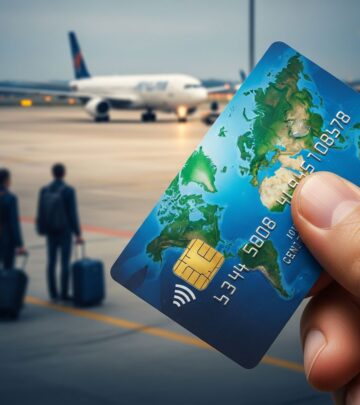
Travelers often debate whether to rely on debit cards for international trips due to their direct link to personal bank accounts. While they promote spending discipline by limiting purchases to available funds, debit cards expose users to unique vulnerabilities like weaker fraud safeguards and potential account drains.Credit cards generally outperform debit cards for travel security and rewards, but debit options have niche uses when managed carefully.
Understanding Payment Options on the Go
When planning trips, selecting the right payment method balances convenience, cost, and protection. Debit cards deduct funds instantly from checking accounts, fostering budget adherence without debt risk. Credit cards, conversely, extend borrowed funds with repayment flexibility, often bundled with travel-specific benefits.
Key distinctions include liability during disputes and perk availability. For instance, credit cards typically shield users from unauthorized charges more effectively, as payments aren’t immediately withdrawn from personal savings.
Advantages of Debit Cards During Journeys
Debit cards shine in scenarios prioritizing fiscal restraint. Here’s why some prefer them:
- Built-in Spending Limits: Transactions cap at account balance, curbing impulse buys common in exciting destinations.
- Zero Interest Risk: No borrowing means avoiding high-interest accruals post-trip.
- Cash Access Simplicity: ATMs provide local currency for markets or tips, often with network-linked low fees if chosen wisely.
- Everyday Utility: Suitable for groceries, transit, or small vendors accepting card payments.
These traits appeal to conservative spenders, ensuring trips stay within financial means without credit extension.
Critical Drawbacks of Relying on Debit Abroad
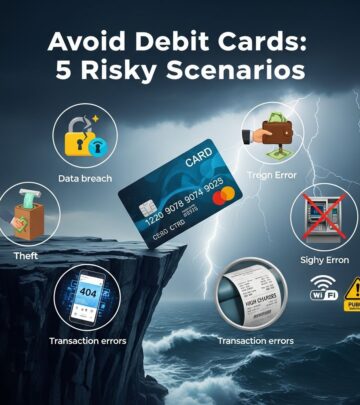
Despite upsides, debit cards falter in protection and flexibility. Primary concerns include:
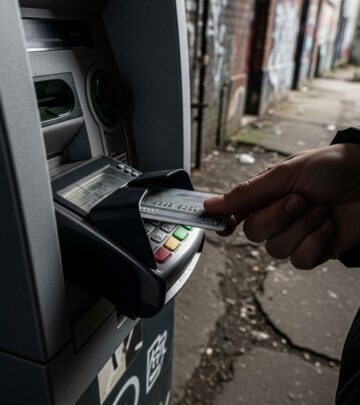
- Fraud Exposure: Stolen details lead to direct account depletion; recovery lags behind credit disputes, stranding travelers.
- Hold Complications: Hotels and rentals freeze funds for incidentals, locking away trip money and risking bill disruptions.
- Fee Accumulation: ATM surcharges, conversion markups, and non-network penalties erode savings quickly.
- Acceptance Gaps: Some services reject debit for large bookings like flights or cars.
- Spending Caps: Daily limits hinder big purchases, requiring pre-adjustments.
These issues amplify during travel, where quick resolutions are vital.
Credit Cards: A Stronger Alternative for Voyagers
Credit cards mitigate debit shortcomings through superior features. They provide a buffer against theft, as fraudulent charges don’t touch personal funds immediately. Issuers often issue replacements swiftly, minimizing downtime.
Additional perks enhance value:
- Travel insurance for delays, cancellations, or baggage.
- Rewards points on flights, lodging, and meals.
- Optimal exchange rates via Visa/Mastercard networks.
- Zero foreign fees on select cards.
- Extended warranties and purchase safeguards.
| Aspect | Debit Card | Credit Card |
|---|---|---|
| Fraud Liability | Direct account hit; slower recovery | Limited/zero liability; quick disputes |
| Fees Abroad | ATM + conversion often 3%+ | Many at 0%; better rates |
| Rewards/Perks | None standard | Points, insurance, protections |
| Funds Access | Limited by balance/holds | Higher limits; no personal drain |
| Dispute Ease | Challenging post-withdrawal | Payment withheld during review |
This comparison underscores credit’s edge for most scenarios.
Strategic Ways to Use Both Card Types
Hybrid approaches optimize safety and utility. Designate credit for major expenses like accommodations and transport, leveraging insurance and rewards. Reserve debit for minor, budgeted outlays or ATM needs, notifying banks of travel to avert blocks.
Pre-trip checklist:
- Confirm no foreign fees; seek fee-free options.
- Boost debit limits if needed.
- Enable alerts for transactions.
- Carry backups: one credit, one debit, some cash.
- Research ATM networks matching your card.
Navigating Fees and Exchange Realities
International payments incur hidden costs. Debit often tacks on 1-3% conversion plus ATM fees ($3-5 each), surpassing credit’s competitive rates. Dynamic currency conversion at merchants worsens deals—always opt for local currency charges.
Pro tip: Compare bank policies; some waive fees for premium accounts.
Real-World Travel Payment Scenarios
Backpackers on Tight Budgets
Solo adventurers favor debit for its restraint, pairing with cash for uncarded spots. Risks rise in theft-prone areas.
Families with Big Plans
Large groups need credit’s flexibility for group bookings and emergencies, avoiding hold-induced shortages.
Business Travelers
Professionals prioritize credit for reporting, insurances, and terms, integrating with expense tools.
Safeguarding Your Cards Overseas
Prevention trumps cure:
- Skim-free ATMs in banks.
- RFID blockers for contactless theft.
- Separate storage for cards.
- Monitor apps hourly.
- Freeze cards post-loss instantly.
Report issues immediately; U.S. law caps debit liability at $50 if notified promptly.
Alternatives to Traditional Cards
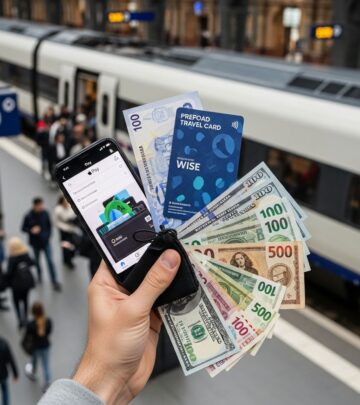
Prepaid travel cards mimic debit discipline with fee controls, though less rewarding. Digital wallets like Apple Pay add security layers. Cash remains king for remote areas, but limit to $100-200 equivalent.
Frequently Asked Questions
Can I use my debit card anywhere abroad?
Acceptance varies; Visa/Mastercard networks cover most, but confirm chip/PIN compatibility.
What if my debit card gets blocked?
Travel notifications prevent this; have a backup credit ready.
Are debit cards safer than cash?
Yes for theft recovery, but fraud risks exceed cash’s traceless loss.
Which is cheaper: debit or credit for travel?
Credit often wins with no-fee cards and perks offsetting costs.
Should I withdraw all cash via debit ATM?
Minimize to avoid fees; use in-network machines.
Final Thoughts on Travel Payment Wisdom
Debit cards suit disciplined travelers for small spends but falter against credit’s protections for comprehensive trips. Prioritize credit as primary, debit as supplement, and diversify for resilience. Informed choices ensure worry-free exploration.
References
- Why You Should Use a Credit Card Instead of a Debit Card When Traveling — Roaming Historian. 2026-02-10. https://roaminghistorian.com/2026/02/10/why-you-should-use-a-credit-card-instead-of-a-debit-card-when-traveling/
- Debit vs Credit Cards for International Travel: Which is Right for You? — Atlys. N/A. https://www.atlys.com/blog/credit-card-vs-debit-card-international-travel
- The best way to pay abroad: Credit card or debit card? — BCD Travel. N/A. https://www.bcdtravel.com/blog/the-best-way-to-pay-abroad-credit-card-or-debit-card/
- Traveling with Credit or Debit: Which is Better — VantageScore. N/A. https://vantagescore.com/resources/knowledge-center/travel-smarter-use-the-right-card-for-your-adventures
- When to use credit, cash and debit while travelling — TD Stories. N/A. https://stories.td.com/ca/en/article/when-to-use-credit-cash-and-debit-while-travelling
- Credit or debit card abroad: Which one to use? — Amnis Treasury. N/A. https://amnistreasury.com/blog/credit-or-debit-card-abroad/
Similar Articles








Read full bio of Sneha Tete