Debit Cards Explained: Guide To Use, Security, Fees
Unlock the essentials of debit cards: how they function, their advantages, security tips, and smart usage strategies for everyday banking.
Debit Cards Explained
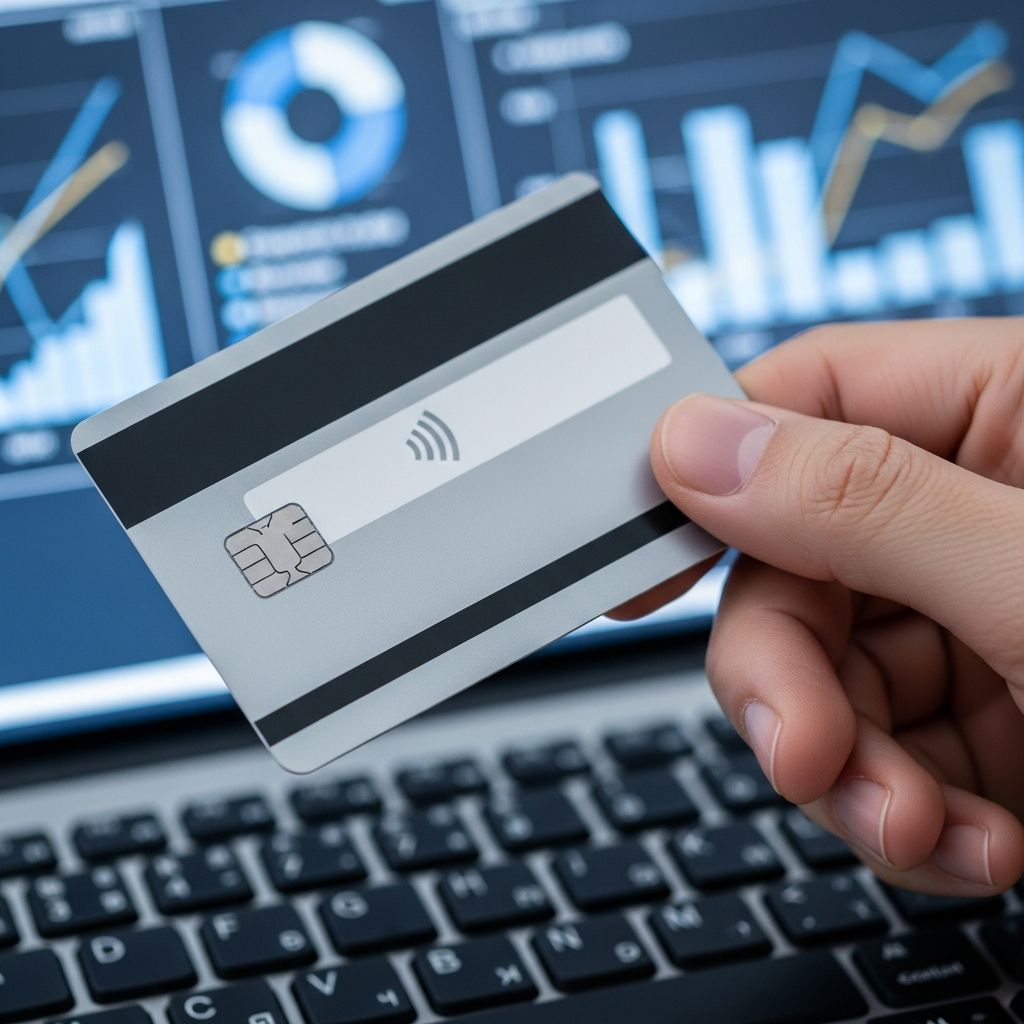
Debit cards serve as a fundamental tool in modern banking, enabling users to access funds directly from their checking accounts for purchases and withdrawals without the need for physical cash. These cards offer a practical alternative to credit by deducting money immediately upon transaction, promoting disciplined spending habits.
Understanding the Fundamentals of Debit Cards
A debit card functions as a direct link to your bank account, primarily a checking account, allowing instant fund transfers for payments. Unlike borrowing mechanisms, it ensures you spend only available balances, reducing the risk of accumulating debt. Typically issued by banks or credit unions upon opening a qualifying account, debit cards feature branding from major networks like Visa or Mastercard, ensuring broad usability.
Key characteristics include a plastic card with a magnetic stripe, EMV chip, and contactless payment capability. The card number, expiration date, and CVV code facilitate both physical and digital transactions. Importantly, debit cards differ from ATM-only cards, which lack purchase functionalities and are tied to savings accounts.
How Debit Card Transactions Operate Step by Step
Engaging a debit card in a transaction involves several secure processes. At a point-of-sale terminal, users insert the chip, swipe the magnetic stripe, or tap for contactless payment, followed by PIN entry or signature verification. Online, entering card details prompts immediate authorization against the account balance.
Upon approval, funds transfer from the linked checking account to the merchant, often within seconds. ATM usage allows cash withdrawals, balance inquiries, deposits, or transfers, typically requiring a PIN. Overdraft protection may cover insufficient funds, but it often incurs fees, emphasizing the importance of monitoring balances.
- In-Person Purchases: Insert, tap, or swipe; enter PIN for debit selection.
- Online Shopping: Input card details; funds deduct instantly if balance suffices.
- ATM Access: Withdraw cash or deposit checks; network fees may apply for out-of-network machines.
- Cash Back Option: Receive extra cash at checkout, sometimes with merchant fees.
Key Advantages That Make Debit Cards Essential
Debit cards excel in convenience and cost-efficiency. They incur no interest charges since transactions use existing funds, avoiding the debt cycles associated with credit. Acceptance mirrors credit cards at millions of locations worldwide, including stores, online platforms, and services.
| Benefit | Description |
|---|---|
| Widespread Acceptance | Usable wherever Visa/Mastercard logos appear, plus ATMs globally. |
| No Interest Fees | Immediate deductions prevent borrowing costs. |
| Security Enhancements | Chips, PINs, and fraud monitoring protect users. |
| No Annual Fees Typically | Standard with checking accounts; no extra costs. |
| Spending Control | Limits expenditure to account balance, aiding budgets. |
Additional perks include integration with digital wallets like Apple Pay or Google Pay for phone-based payments, enhancing speed and hygiene.
Obtaining and Activating Your Debit Card
Securing a debit card requires opening a checking account at a bank or credit union. Many institutions provide instant issuance or temporary cards, with permanent ones mailed within days. Activation occurs via mobile app, website, phone, or ATM, often with one-time passcode verification.
- Choose a bank and open a checking account online or in-branch.
- Receive the card upon approval; use temporary access if needed.
- Activate by following issuer instructions, setting a custom PIN.
- Add to digital wallets for immediate use.
Customization options, such as affinity designs, personalize the card while maintaining functionality.
Security Best Practices for Debit Card Users
Protecting your debit card demands vigilance, given its direct account linkage. Enable transaction alerts for real-time notifications, and review statements weekly for anomalies. Report lost or stolen cards immediately to freeze them and issue replacements, limiting liability to $50 under federal Regulation E for unauthorized use if reported promptly.
- Shield PIN entry from view.
- Avoid sharing details over unsecured channels.
- Use virtual card numbers for online buys where available.
- Freeze the card via app if unattended.
- Monitor for skimming devices at ATMs and terminals.
Banks employ AI-driven fraud detection, contacting users for suspicious activities.
Debit Cards Versus Credit Cards: A Clear Comparison
While visually similar, debit and credit cards diverge significantly in operation and implications.
| Aspect | Debit Card | Credit Card |
|---|---|---|
| Fund Source | Your checking account balance. | Issuer’s credit line (borrowed funds). |
| Payment Timing | Immediate deduction. | Deferred; pay later with interest possible. |
| Overlimit Risk | Overdraft fees if unprotected. | High interest, late fees. |
| Building Credit | No impact on credit score. | Responsible use improves score. |
| Protections | Strong fraud coverage; quick replacement. | Superior dispute resolution for purchases. |
Debit suits spending within means; credit builds history but risks debt.
Potential Downsides and Mitigation Strategies
Challenges include overdraft fees, averaging $35 per incident, and limited purchase protections compared to credit. Fraud affects funds directly, unlike credit’s temporary holds. Mitigate by activating overdraft alerts, maintaining buffers, and using credit for large buys needing warranties.
ATM surcharges add costs; stick to in-network machines. International use may involve foreign transaction fees—check terms.
Advanced Features and Everyday Applications
Modern debit cards support peer-to-peer transfers via apps like Venmo, rounding-up purchases for savings (e.g., Keep the Change), and cash-back rewards on select purchases. They facilitate bill payments, subscriptions, and mobile check deposits, streamlining finances.
For businesses or families, multiple cards on one account enable shared access with spending limits.
Frequently Asked Questions (FAQs)
What happens if I spend more than my balance?
Transactions decline unless overdraft is enabled, potentially incurring fees. Opt for alerts to prevent this.
Can I use my debit card abroad?
Yes, but notify your bank and watch for fees. Currency conversion applies.
Does using a debit card affect my credit score?
No, as it doesn’t involve credit reporting.
How do I dispute a charge?
Contact your bank within 60 days; they investigate and may reverse it.
Are debit cards FDIC-insured?
Yes, deposits are insured up to $250,000 per account.
Leveraging Debit Cards for Financial Wellness
Incorporating debit cards thoughtfully fosters budgeting discipline. Pair with apps tracking expenses, set daily limits, and review usage monthly. Transitioning from cash reliance builds digital savvy while keeping spending accountable.
For newcomers, student or basic checking accounts offer starter debit cards with training wheels like low limits. Evolve to premium versions with rewards as habits solidify.
References
- What Is a Debit Card? | PNC Insights — PNC Bank. 2023. https://www.pnc.com/insights/personal-finance/spend/what-is-a-debit-card.html
- What is a Debit Card? Meaning, Benefits & How to Use It — SBI California. 2024. https://www.sbical.bank/education-center/what-is-a-debit-card-benefits-uses
- What is a debit card, and how does it work? – Citizens Bank — Citizens Bank. 2024. https://www.citizensbank.com/learning/what-is-a-debit-card.aspx
- Debit cards and ATM cards: What are the differences and benefits — Webster First. 2023. https://www.websterfirst.com/blog/debit-cards-and-atm-cards-what-are-the-differences-and-benefits/
- What Is a Debit Card? How Does It Work? | Blog – Armed Forces Bank — Armed Forces Bank. 2024. https://www.afbank.com/article/what-is-a-debit-card-how-does-it-work
- Get a Bank of America Debit Card – Benefits and Features — Bank of America. 2025. https://www.bankofamerica.com/deposits/checking/debit-card/
- What Are The Benefits Of Debit Cards? – Chase Bank — Chase Bank. 2024. https://www.chase.com/personal/banking/education/basics/benefits-of-debit-cards
Similar Articles






Read full bio of medha deb