Understanding Debit Cards and Credit Building
Explore whether debit cards impact your credit score and discover effective alternatives for building credit history.
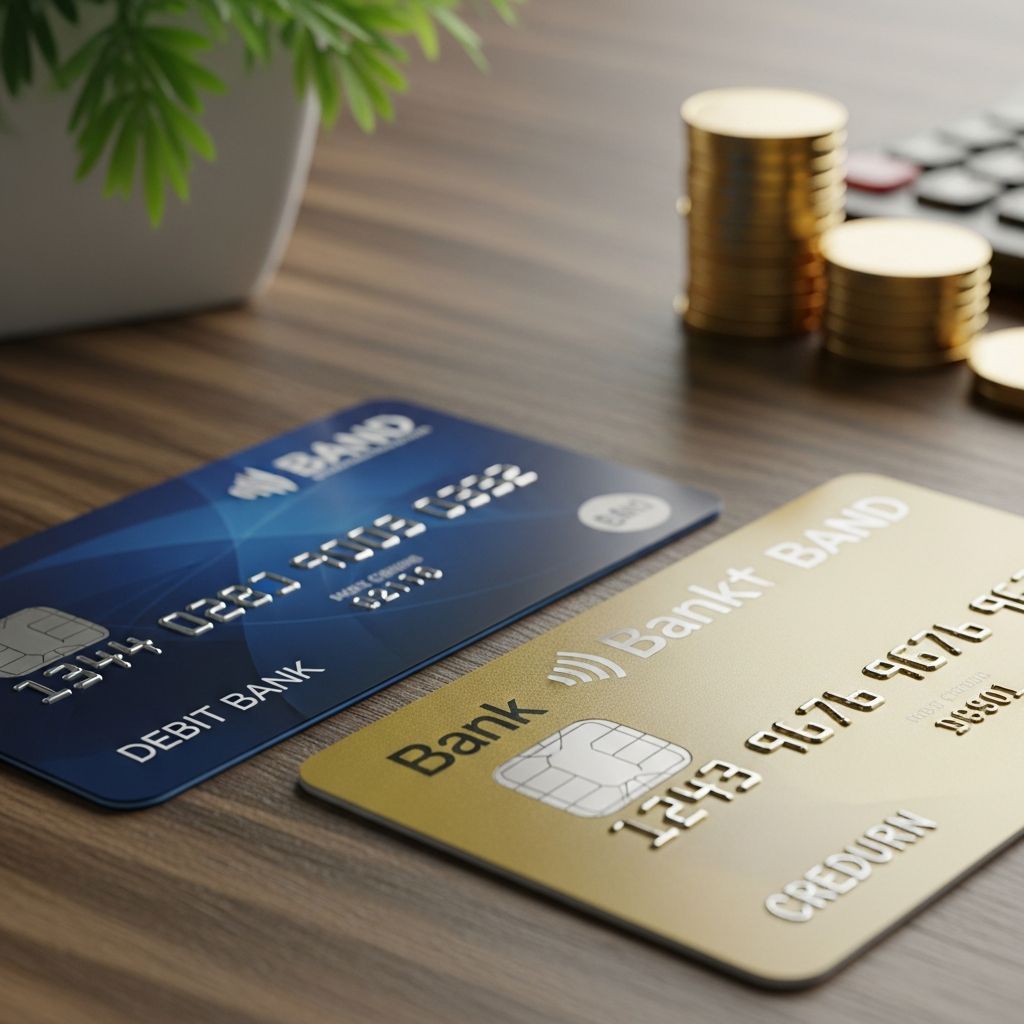
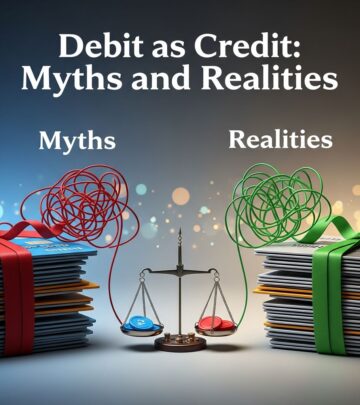
Many consumers wonder whether using a debit card regularly contributes to building their credit profile. The straightforward answer is that traditional debit cards do not help build credit in any meaningful way. This fundamental distinction between debit and credit transactions remains one of the most misunderstood aspects of personal finance, particularly for those new to managing their financial lives.
Why Traditional Debit Cards Don’t Impact Your Credit
Understanding the mechanics of debit cards is essential to comprehending why they fail to build credit. When you use a debit card, you’re accessing money that already belongs to you in your checking account. The transaction draws directly from your available funds, and the purchase is immediately deducted from your balance.
Credit bureaus—the major ones being Experian, Equifax, and TransUnion—track your creditworthiness based on your borrowing and repayment patterns. They’re interested in how responsibly you handle borrowed money, not how you spend your own funds. Since debit card transactions don’t involve any borrowing element, these activities remain invisible to credit reporting agencies.
The fundamental principle behind credit scores revolves around demonstrating your ability to borrow money and repay it punctually. Debit card usage, no matter how frequent or disciplined, doesn’t demonstrate this capability because no credit relationship exists between you and a financial institution.
The Distinction Between Using Your Debit Card as “Credit” and Building Credit
A common source of confusion arises when consumers select the “credit” option at payment terminals when using their debit card. Many debit cards display Visa, Mastercard, or Discover logos, allowing them to be processed through credit networks rather than debit networks.
When you choose “credit” at checkout, the transaction processing method changes behind the scenes. However, the fundamental reality remains unchanged: you’re still spending money from your own account, not borrowing anything. The payment network routing differs, but no credit relationship is created.
This processing distinction may result in minor differences—such as signing instead of entering a PIN—but these procedural changes don’t create a credit-building opportunity. Your account activity still isn’t reported to credit bureaus, and your credit score remains unaffected.
Specialized Debit Cards Designed for Credit Building
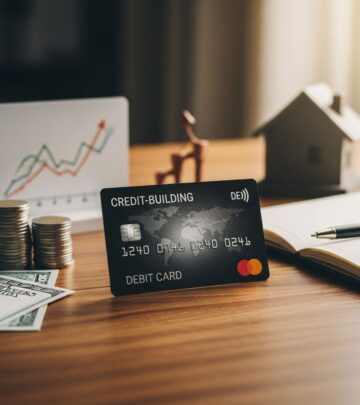
Recognizing the credit-building challenges faced by many consumers, financial technology companies have developed innovative solutions. Several debit card products now incorporate credit-building features that function differently from traditional debit cards.
Credit-building debit cards operate as hybrid financial products. These cards maintain a connection to your checking account while simultaneously creating an independent line of credit. When you make a purchase, the card issuer covers the expense before automatically collecting repayment from your linked bank account.
The key advantage of these specialized products is their reporting mechanism. Your payment history—particularly your consistent, on-time payments—gets reported to the major credit bureaus, directly contributing to your credit score development.
Popular examples in this category include Extra, Sesame Cash Mastercard, and Fizz, each designed to help consumers establish or improve their credit profiles without requiring traditional credit products.
Leveraging Experian Boost for Utility and Bill Payments
Beyond specialized debit cards, other credit-building strategies exist. Services like Experian Boost represent an innovative approach to translating everyday spending into credit-building activity.
Experian Boost allows consumers to receive credit for eligible bill payments including cell phone, utility, and streaming service payments. After three consecutive months of on-time payments, your positive payment history gets reflected in your credit profile.
This service transforms routine financial obligations into credit-building opportunities without requiring new credit accounts or complicated applications. For individuals with limited credit history or those recovering from past credit challenges, this represents a practical pathway to demonstrating financial responsibility.
Alternative Strategy: Becoming an Authorized User
Another effective credit-building approach involves becoming an authorized user on someone else’s credit card account. This strategy leverages an existing credit account to help establish your own credit profile.
When you become an authorized user, the credit card issuer provides you with a card in your name linked to the primary account holder’s account. If the issuer reports authorized user accounts to credit bureaus—which many do—the primary account holder’s payment history and credit utilization patterns can positively influence your credit development.
This approach works optimally when the primary account holder maintains excellent payment discipline and keeps their credit utilization ratio low. However, the reverse is also true: if the primary cardholder misses payments or carries excessive balances, this negative activity gets reported to your credit file as well.
To pursue this strategy successfully, it’s crucial to work with a trusted friend or family member who has strong credit habits. Before becoming an authorized user, verify that the credit card company reports authorized user accounts to the credit bureaus, as not all issuers do.
Secured Credit Cards as a Credit-Building Tool
For individuals facing difficulties obtaining approval for traditional credit cards, secured credit cards offer a practical alternative. These cards require a cash deposit that typically becomes your credit limit.
A secured credit card deposit typically ranges from fifty to three hundred dollars, though this varies by issuer. You then use the card to make purchases and cover transactions, building payment history as you do.
The critical factor for credit building is that the issuer must report your payment activity to the credit bureaus. With regular, on-time payments and responsible credit utilization, a secured card can effectively establish or rebuild your credit profile. After demonstrating several months of positive payment history, many issuers graduate secured cardholders to traditional unsecured cards.
Credit-Builder Loans: An Unconventional Approach
Credit-builder loans function in reverse compared to traditional lending products. Instead of receiving funds upfront and repaying over time, you first make fixed monthly payments, and then receive your money back at the end of the loan term.
These loans typically run between six and twenty-four months, with monthly payments predetermined and consistent. Most lenders report your payment history to credit bureaus, making this an effective credit-building mechanism for those with limited credit history or poor credit records.
Credit-builder loan amounts are typically modest, ranging from three hundred to one thousand dollars. Upon completing the loan term, you receive your accumulated payments back, potentially including earned interest. This approach simultaneously helps you build credit while establishing a savings habit.
Rent Reporting Services as an Alternative Strategy
Many consumers overlook rent payment reporting as a credit-building opportunity. Rent-reporting services capture your monthly rent payments and report them to credit bureaus, transforming this existing financial obligation into credit-building activity.
This approach is particularly valuable for renters who may not have access to other credit-building products. Since most landlords don’t independently report rent payments to bureaus, these specialized services bridge that gap. Your consistent rental payments—typically your largest monthly obligation—can now contribute meaningfully to your credit profile.
Best Practices for Effective Credit Building
Regardless of which credit-building strategy you choose, certain fundamental principles apply across all methods:
- Prioritize on-time payments: Payment history represents the most significant factor in credit scoring. Missing even a single payment can substantially damage your developing credit profile.
- Maintain low credit utilization: When using credit cards, keep your balance below thirty percent of your available credit limit. This demonstrates responsible borrowing behavior.
- Limit new credit applications: Each application creates a hard inquiry, temporarily lowering your score. Space out credit applications strategically.
- Monitor your credit regularly: Check your credit reports from all three bureals annually at no cost through AnnualCreditReport.com. Dispute any inaccurate information promptly.
- Avoid excessive debt: Only borrow what you can realistically repay. Overextending yourself defeats credit-building objectives.
Comparing Credit-Building Methods
| Method | Initial Requirements | Timeline to Results | Best For |
|---|---|---|---|
| Credit-Building Debit Card | Bank account connection | 3-6 months | Those comfortable with hybrid products |
| Authorized User Status | Trusted account holder | 1-3 months | Those with strong connections |
| Secured Credit Card | $50-$300 deposit | 6-12 months | Those with limited or poor credit |
| Credit-Builder Loan | No deposit required | 6-24 months | Those wanting savings with credit building |
| Rent Reporting Service | Proof of rent payments | 30-60 days | Renters wanting to leverage existing payments |
Frequently Asked Questions
Can I use my debit card like a credit card and build credit?
No. Selecting the “credit” option at checkout changes only the processing method, not the fundamental fact that you’re spending your own money rather than borrowing. This doesn’t create a credit-building opportunity.
How quickly can I build credit with these methods?
Results vary, but most people see measurable credit score improvements within three to six months of consistent, responsible behavior. Secured cards and authorized user status may show results faster than credit-builder loans.
Do all credit card companies report authorized user accounts?
No. Before becoming an authorized user, verify with the specific card issuer that they report authorized user accounts to credit bureaus. This is essential for maximizing the credit-building benefit.
What’s the difference between a secured card and a credit-builder loan?
Secured cards function like traditional credit cards but require a deposit as collateral. Credit-builder loans require you to make payments before receiving funds back. Both report to credit bureaus, but they suit different financial situations.
Can I build credit while avoiding debt entirely?
Yes. Credit-builder debit cards, Experian Boost, and rent-reporting services all allow credit building without traditional debt. These products are ideal for those philosophically opposed to conventional borrowing.
Moving Forward With Your Credit Building Journey
The reality that traditional debit cards don’t build credit shouldn’t discourage you from establishing a strong credit profile. Numerous legitimate pathways exist, each designed for different financial situations and preferences.
The most important step is understanding why credit building requires demonstrating borrowing and repayment capability. Once you grasp this principle, choosing the appropriate credit-building method becomes straightforward. Whether you opt for a specialized debit card, secured credit card, authorized user status, credit-builder loan, or rent reporting service, the key to success remains consistent: make on-time payments, keep utilization low, and monitor your progress regularly.
Starting your credit-building journey today—regardless of your current credit situation—sets the foundation for accessing better financial products, lower interest rates, and improved financial opportunities tomorrow.
References
- Can You Build Credit With a Debit Card? — Experian. https://www.experian.com/blogs/ask-experian/can-you-build-credit-debit-card/
- Can you use your debit card as credit to build your credit score? — Bankrate. https://www.bankrate.com/personal-finance/credit/can-you-use-your-debit-card-as-credit-to-build-your-credit-score/
- Can You Build Credit With a Debit Card? — American Express. https://www.americanexpress.com/en-us/credit-cards/credit-intel/build-credit-with-debit-card/
- Is it Possible to Build Credit With a Debit Card? — SoFi. https://www.sofi.com/learn/content/build-credit-with-debit-card/
- Debit Card That Builds Credit — Does It Exist? — Intuit Credit Karma. https://www.creditkarma.com/money/i/does-debit-card-build-credit
- Can You Use a Debit Card as a Credit Card? — Chase Bank. https://www.chase.com/personal/credit-cards/education/build-credit/do-debit-cards-build-credit
- How Do Debit Cards That Build Credit Work? — myFICO. https://www.myfico.com/credit-education/blog/debit-cards-build-credit
Similar Articles








Read full bio of medha deb