Can You Get a Debit Card With a Savings Account?
Learn when a debit card on a savings account makes sense, how rules and fees work, and smarter ways to access your savings.
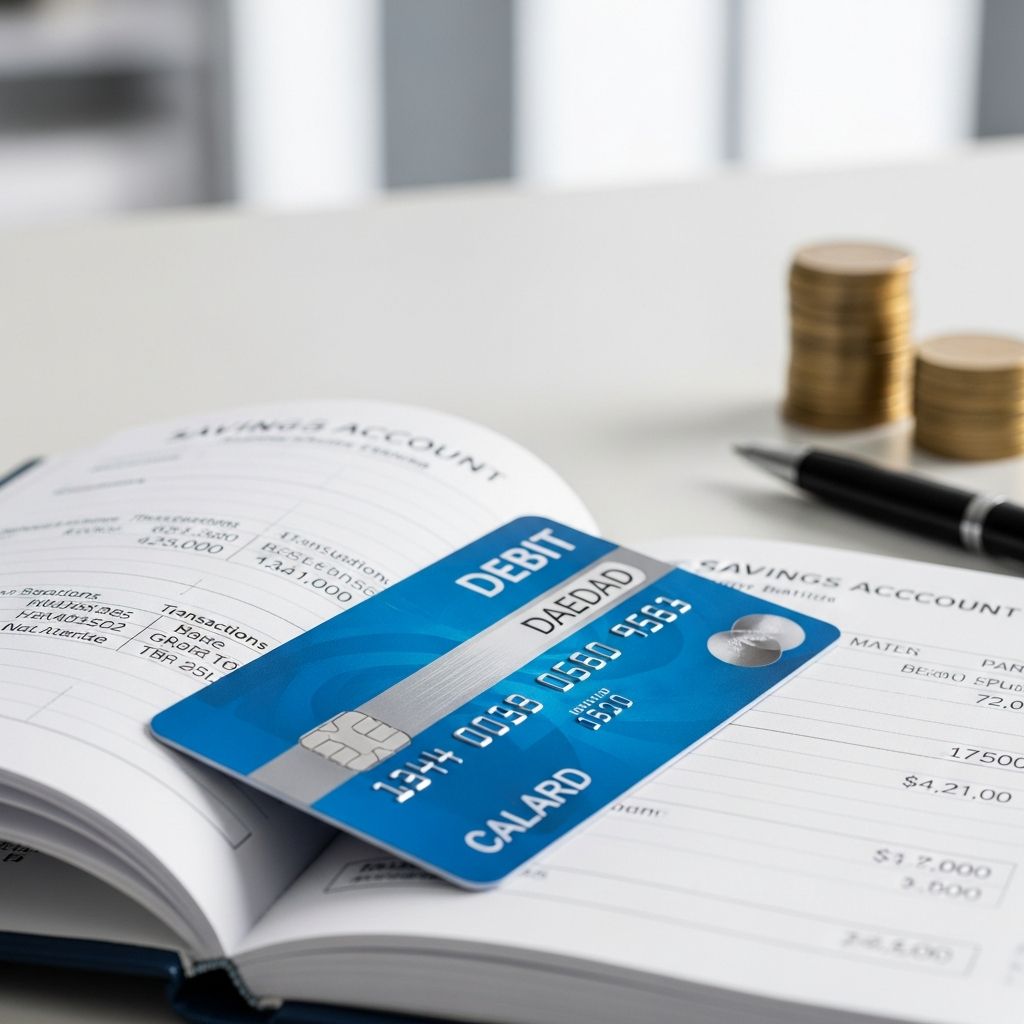
Many people are used to carrying a debit card for their checking account, so it can feel strange that banks often do not automatically issue a debit card linked to a savings account. You may wonder whether you can get one, and more importantly, whether you should. This guide explains how debit cards and savings accounts work together, what rules and risks apply, and which alternatives might better protect your savings goals.
Debit Cards vs. ATM Cards: What’s the Difference?
The terms debit card and ATM card are often used as if they mean the same thing, but they work differently and give you very different levels of access to your money.
What Is a Debit Card?
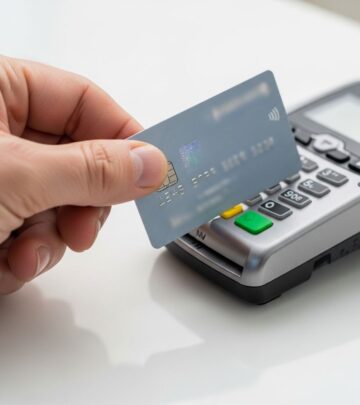
A debit card is a payment card that lets you make purchases using funds withdrawn directly from your bank account balance, usually your checking account. These cards typically carry a major payment network logo such as Visa or Mastercard, which allows you to:
- Pay for purchases in stores and online wherever that network is accepted
- Withdraw cash from ATMs that accept the card’s network
- Have transactions deducted immediately from your linked account, similar to using cash or writing a check
Because debit cards ride on global payment networks, they effectively let your bank account function like a payment instrument at millions of merchants.
What Is an ATM Card?
An ATM card is more limited. It generally:
- Allows cash withdrawals from your bank’s ATMs
- May allow deposits and balance inquiries at those ATMs
- Cannot be used to make purchases at stores or online because it usually does not carry a Visa or Mastercard logo
ATM cards are often tied to savings accounts, money market accounts, or in some cases, older checking accounts. Their purpose is to provide cash access while limiting transactional use.
Key Differences at a Glance
| Feature | Debit Card | ATM Card |
|---|---|---|
| Payment network logo (Visa/Mastercard) | Yes, usually present | No, typically not present |
| Use for in-store purchases | Yes | No |
| Use for online purchases | Yes | No |
| ATM withdrawals | Yes | Yes (usually at own bank ATMs) |
| Typical linked account | Checking account | Savings or other deposit accounts |
| Main purpose | Spending & everyday transactions | Cash access & deposits |
Why Debit Cards Are Standard for Checking Accounts
Checking accounts are designed as transactional accounts. They are built to handle frequent deposits, withdrawals, and payments as part of your day-to-day money management. As a result, debit cards have become almost inseparable from checking accounts.
The Role of Checking Accounts
A checking account is typically used for:
- Receiving your paycheck via direct deposit
- Paying bills and subscriptions
- Using a debit card for routine purchases
- Withdrawing cash when needed
In many countries, checking accounts have moved away from paper checks and rely almost entirely on debit card and electronic transactions for everyday use.
Costs and Fees on Transactional Accounts
Running a high-volume transactional account is costly for banks. To maintain records, process payments, and manage overdrafts, banks typically charge fees such as:
- Monthly maintenance fees
- Overdraft or non-sufficient funds fees
- Out-of-network ATM fees
- Check-ordering fees
The fee structure helps banks recover administrative costs associated with the many small transactions that flow through checking accounts.
How Savings Accounts Differ From Checking Accounts
Savings accounts serve a different purpose: they are meant for accumulating money over time, not for frequent spending. As a result, their features and pricing differ from checking accounts in several key ways.
Higher Interest Potential
Although some checking accounts pay interest, savings accounts generally offer a higher interest rate than standard checking accounts, especially at online banks that have lower overhead. Independent surveys of deposit rates consistently show that online savings accounts and high-yield savings products tend to outperform traditional branch-based options.
This interest advantage is one of the main reasons to keep money you do not need for day-to-day spending in a dedicated savings account.
Fewer Fees and More Stable Balances
Because savings accounts are not designed for heavy transactional use, they usually involve:
- Fewer or no monthly maintenance fees compared with checking accounts
- More stable balances that allow banks to lend or invest a larger portion of deposits
- Less account monitoring effort due to lower transaction volume
The combination of steadier balances and lower processing costs allows banks to offer better interest and fewer fees on savings accounts than on many checking accounts.
Regulation and Transaction Limits (Regulation D Background)
Historically, savings accounts at U.S. banks were subject to Regulation D, a Federal Reserve rule that limited certain types of withdrawals and transfers from savings accounts to six per month. The policy was designed to distinguish savings accounts from checking accounts for reserve requirement purposes and to encourage consumers to use savings accounts primarily for saving rather than frequent spending.
In 2020, the Federal Reserve amended Regulation D to remove the federal requirement for the six-transfer limit. However, many banks still impose similar limits in their account agreements or disclosures, sometimes charging a fee or converting the account if you exceed the allowed number of convenient transfers.
Can You Get a Debit Card on a Savings Account?
In many cases, banks can issue a debit card tied to a savings account, but they often choose not to by default. Several factors help explain why.
Why Banks Are Hesitant
Linking a full-featured debit card to a savings account has trade-offs:
- It effectively turns the savings account into a transactional account in everyday use.
- Frequent card transactions can push you over any transfer or withdrawal limits your bank still applies.
- The administrative cost and potential overdraft risk increase, similar to a checking account.
Because of these issues, savings accounts are more commonly given ATM card access or limited debit functionality rather than the same robust debit card features that come with checking accounts.
When a Debit Card on Savings Might Be Offered
Some institutions, especially online banks or hybrid accounts, may:
- Offer a debit card for a high-yield savings or money market account
- Provide card access for cash withdrawals only, but block direct point-of-sale purchases
- Allow you to choose an ATM card option when opening a savings account
In each case, you should carefully read the account terms to see how transactions are counted and whether any limits or penalties apply.
Pros and Cons of Using a Debit Card With a Savings Account
Putting a debit card on your savings account may sound convenient, but it can cut both ways. Here are the main advantages and disadvantages to consider.
Potential Advantages
- Fast access for planned big purchases: If you have saved for a major purchase, being able to pay directly from your savings account can be convenient when you reach the checkout.
- Fewer steps in emergencies: In urgent situations, direct card access to savings may feel safer than relying on a transfer to checking, especially if you are unsure about internet or mobile access at that moment.
- Possible redundancy: If your checking account card is lost or compromised, temporary access to savings via card could provide a backup.
Serious Drawbacks
- Encourages impulse spending: A debit card is a spending tool. Carrying one linked to your savings makes it easier to dip into funds meant for long-term goals.
- Risk of hitting transaction limits: If your bank still enforces withdrawal or transfer limits on savings, using a debit card for everyday spending can quickly push you over that threshold, triggering fees or account changes.
- Possible account conversion or closure: Repeated violations of your bank’s savings transaction policy may result in the account being converted to a checking account or even closed.
- Blurs mental boundaries: Behavioral research suggests that separating spending and saving into different buckets helps people save more consistently. Combining them on a single card weakens this psychological separation.
Why a Debit Card Rarely Makes Sense for a Savings Account
For most people, the main purpose of a savings account is to protect money from routine spending and grow it over time through interest. Adding a debit card directly undermines that purpose by making it just as easy to spend from savings as from checking.
Consider the following:
- Even a modest number of spontaneous card purchases can derail long-term savings goals.
- Bank-imposed limits on savings transactions, while no longer mandated by federal regulation, are still common and can lead to unnecessary fees if you rely on the card regularly.
- High-yield savings accounts typically deliver better returns when you treat them as less-touched reserves, not as a spending account.
In practice, it is usually safer and more effective to keep your savings separate and access them through planned transfers to your checking account when you truly need the money.
Smarter Alternatives to a Debit Card on Savings
If your goal is to access your savings conveniently without compromising your discipline, several alternatives can strike a better balance.
Use Your Checking Account as the Spending Hub
A common best practice is to:
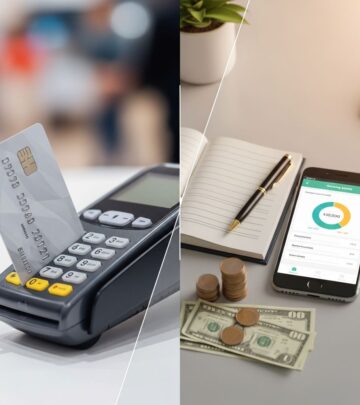
- Maintain a primary checking account with a debit card for everyday purchases and bill payments
- Keep a separate savings account for emergency funds and goals like travel, down payments, or tuition
- Transfer funds from savings to checking only when you have a specific, planned reason
This setup preserves the convenience of card-based payments without exposing your savings to impulse spending.
Set Up Linked Transfers
Most banks and credit unions allow you to link your savings and checking accounts for quick electronic transfers. Features may include:
- Real-time or same-day transfers between internal accounts
- Scheduled transfers to automate your saving every payday
- Optional overdraft protection where money can move from savings to checking if your checking balance runs low (often subject to fees)
By using these tools instead of a debit card on savings, you keep the two roles clear: checking for spending, savings for building reserves.
Consider a Money Market or Hybrid Account
Some money market accounts and cash management accounts blend savings-level interest with limited checking-like access, often including check-writing or debit cards. These can be suitable if you:
- Want to earn interest similar to a savings account
- Need occasional, not constant, transactional access
- Can manage withdrawal limits or minimum balance requirements
However, these hybrid accounts should not be confused with true long-term savings vehicles; they work best for larger, semi-liquid balances that you might need to access a few times a month.
How to Decide What’s Right for You
Before requesting a debit card on your savings account—or choosing an account that offers one—ask yourself a few diagnostic questions.
Questions to Ask Yourself
- Is this account mainly for savings or for spending? If your primary objective is to grow an emergency fund or reach a long-term goal, minimizing card access is usually better.
- Do I struggle with impulse spending? If yes, linking a debit card to savings can make it harder to stay on track.
- How often will I realistically need direct card access to savings? If it is only for rare big-ticket purchases, a one-time transfer to checking may be a minor inconvenience compared with the benefits of keeping savings insulated.
- Does my bank enforce savings transaction limits? Review the disclosure documents and fee schedule to see whether exceeding a certain number of withdrawals or transfers could trigger penalties or account changes.
- Could a different account type serve me better? For example, a high-yield savings paired with a no-fee checking account might deliver more interest and more flexibility than trying to turn a savings account into a quasi-checking account.
Frequently Asked Questions (FAQs)
Q: Can a bank legally issue a debit card for a savings account?
Yes. Banks and credit unions may choose to issue debit cards on savings accounts, but most do not do so by default because savings accounts are intended for limited transactions and long-term saving rather than everyday spending.
Q: Will using a debit card on a savings account affect my interest rate?
The interest rate itself generally does not change based on how many transactions you make, but some institutions may convert your savings account to a different product (often with different rates or fees) if you exceed their allowed number of withdrawals or transfers.
Q: Are savings accounts still subject to a six-withdrawal-per-month rule?
The Federal Reserve removed the formal six-transfer limit under Regulation D in 2020, but many banks still enforce some version of this limit in their account agreements and may charge fees or restrict your account if you go over it repeatedly.
Q: Is an ATM card safer than a debit card for my savings?
An ATM card limits how you can access your savings—typically to cash withdrawals and deposits—so it reduces the risk of everyday impulse spending and some types of fraud at merchants. However, both ATM and debit cards require you to protect your PIN and monitor your account for unauthorized transactions.
Q: What is the best way to access my savings when I need them?
A common strategy is to keep a separate checking account with a debit card for daily use and move money from savings to checking when you have a planned expense. Many banks support instant internal transfers, so this usually adds only a small step while helping you preserve your savings discipline.
References
- Can You Get a Debit Card With a Savings Account? — MoneyRates. 2024-09-05. https://www.moneyrates.com/savings/debit-card-for-a-savings-account.htm
- 8 types of savings accounts: where to save your money — Bankrate. 2024-06-10. https://www.bankrate.com/banking/savings/types-of-savings-accounts/
- Reserve Requirements — Board of Governors of the Federal Reserve System. 2020-04-24. https://www.federalreserve.gov/monetarypolicy/reservereq.htm
- How to Open the Right Savings Account: Banks, Rates, and More — MoneyRates. 2024-08-15. https://www.moneyrates.com/savings/how-to-open-savings-account.htm
- Save More Tomorrow™: Using Behavioral Economics to Increase Employee Saving — Thaler, R. & Benartzi, S., Journal of Political Economy. 2004-02-01. https://doi.org/10.1086/380085
Similar Articles








Read full bio of Sneha Tete