Debit Card Security Risks: Where Not to Use Your Card
Discover the hidden dangers lurking at everyday locations and how to protect your finances.
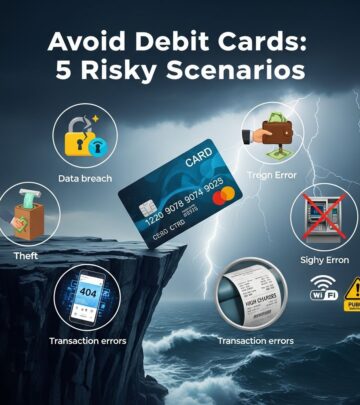
Debit cards have become an integral part of modern financial transactions, offering convenience and immediate access to your checking account funds. However, this accessibility comes with significant security trade-offs that many consumers don’t fully understand. Unlike credit cards, which are protected by the Fair Credit Billing Act and limit liability to $50 for unauthorized transactions, debit cards fall under the Electronic Funds Transfer Act and expose you to potential losses of up to $500 if fraudulent activity isn’t reported within two days. Understanding where and how to safely use your debit card is crucial for protecting your finances.
The Fundamental Difference: Credit Cards vs. Debit Cards
The distinction between debit and credit card protections represents one of the most important factors in your payment strategy. When you use a credit card, you’re essentially borrowing money from the card issuer, which gives them a financial incentive to protect you from fraud. Debit cards, by contrast, draw directly from your bank account, meaning fraudulent transactions can immediately deplete your available funds.
This structural difference creates a liability gap that directly affects your wallet. A $500 maximum loss on a debit card might seem manageable, but consider the timing: your money is gone immediately, and you may face overdraft fees or bounced checks while the bank investigates your claim. Additionally, the two-day reporting window creates urgency—if you don’t discover and report fraud within this timeframe, your liability increases significantly.
Gas Stations: Prime Targets for Card Skimmers
Gas station pumps represent one of the most vulnerable points in the debit card ecosystem. Criminals frequently target these locations because they operate 24/7, offer limited surveillance compared to retail stores, and feature card readers that remain largely unchanged technologically. Many pumps still lack chip card technology, relying instead on magnetic stripe readers that are vulnerable to skimming devices.
Skimmers work by capturing your card information and, in some cases, your PIN through hidden devices placed over legitimate card readers. This stolen data is then used to create counterfeit cards or make unauthorized purchases. The magnetic stripe technology, while reliable for normal transactions, was designed decades ago without modern security considerations and can be cloned relatively easily by determined fraudsters.
Safer alternatives at gas stations include:
- Paying inside the station with cash or a credit card
- Using contactless payment methods like Apple Pay or Google Pay
- Choosing gas stations with newer, chip-enabled pumps
- Opting for credit card payments due to superior fraud protections
Restaurants and Bars: Out-of-Sight Vulnerabilities
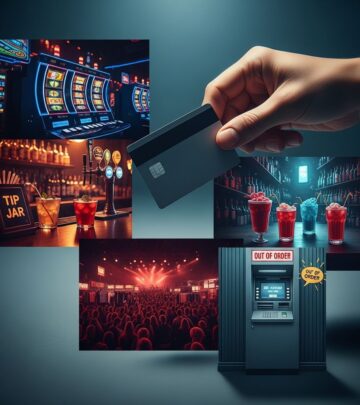
When you hand your debit card to a server at a restaurant or bartender, it leaves your possession and goes out of your line of sight. This presents a unique vulnerability: the person handling your card could manually record your card number, or the establishment’s payment terminal could be compromised by a skimming device. Unlike at a retail store where you might observe the transaction, restaurant and bar environments make it difficult to monitor what happens to your card.
The risks intensify at bars and nightlife venues, where busy environments, dim lighting, and crowds make unusual card reader modifications less noticeable to staff and customers alike. Additionally, these establishments often process numerous transactions during peak hours, creating opportunities for fraudsters to slip skimming devices onto terminals without immediate detection.
Online Shopping: The Digital Fraud Frontier
E-commerce has transformed consumer shopping habits, with over 80% of Americans now shopping online regularly. U.S. online retail spending is projected to reach substantial heights, making the internet a major commerce channel. However, this shift has also created new fraud vectors. Online shopping incidents were the second most commonly reported fraud category in 2024, according to Federal Trade Commission data.
When you enter your debit card details on a website, you’re transmitting sensitive financial information across the internet. Even on seemingly legitimate sites, your information could be intercepted by hackers using several methods: unsecured WiFi networks, compromised merchant servers, phishing attacks that trick you into entering information on fake websites, or man-in-the-middle attacks that intercept your data during transmission.
Protective measures for online shopping include:
- Verifying the site URL begins with “HTTPS” and displays a padlock icon
- Using encrypted payment services like PayPal rather than entering card details directly
- Shopping exclusively over secure WiFi networks, never public WiFi
- Preferring credit cards for online purchases when possible
- Watching for phishing emails claiming to be from merchants or banks
Retail Environments: Skimming in Plain Sight
While retail stores are often considered safer than gas stations, they nonetheless present legitimate skimming risks. Busy retail environments create perfect conditions for criminals to attach skimming devices to card readers without detection. High-traffic stores with multiple terminals provide numerous opportunities for fraudsters to install devices that capture magnetic stripe data from unsuspecting customers.
The key vulnerability in retail settings is the reliance on magnetic stripe technology at some terminals. Even as chip technology becomes more prevalent, not all retail locations have upgraded completely, particularly smaller merchants or those that haven’t invested in newer payment infrastructure. These outdated terminals remain susceptible to skimming attacks.
ATM Security: The Importance of Choosing Wisely
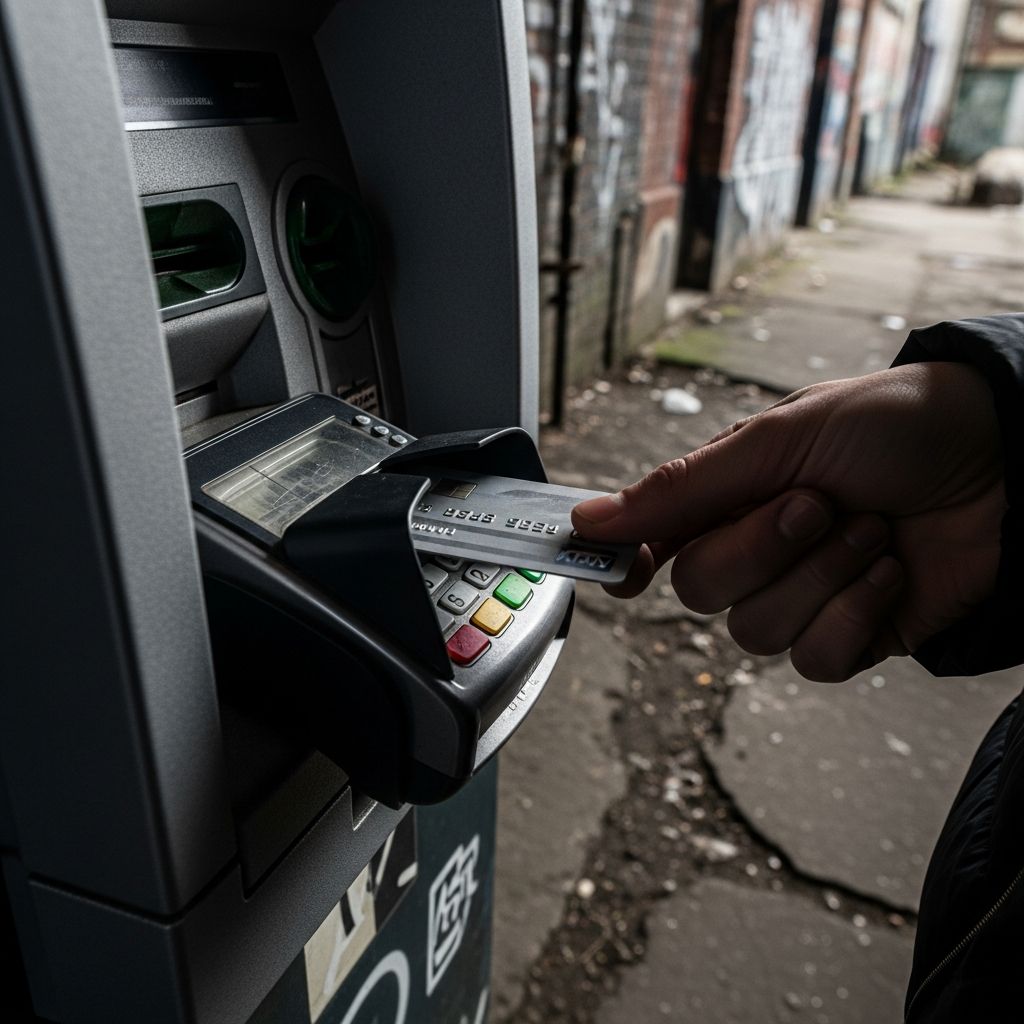
Automated Teller Machines pose particular security challenges because they operate in public spaces and often without immediate supervision. Criminals frequently install skimming devices on ATM card readers, capturing account information and PINs for later fraudulent use. The ability to record your PIN makes ATM skimming especially dangerous, as it allows criminals to access your account without your knowledge.
Bank-owned ATMs within secure locations like bank branches represent your safest option for cash withdrawals. ATMs located in convenience stores, bars, or other public venues carry significantly higher skimming risk. Before using any ATM, inspect the card reader for loose, unusual, or misaligned attachments that could indicate a skimming device.
Travel and International Transactions
Using your debit card while traveling introduces additional vulnerabilities. International merchants may process transactions differently, and the absence of chip technology in some countries makes magnetic stripe fraud more common. Additionally, using ATMs in unfamiliar locations increases your risk of encountering skimmed devices, particularly in areas with less stringent security regulations.
When traveling, consider obtaining cash from your bank before departure, using credit cards for most purchases, and reserving debit card use for ATM withdrawals at established financial institutions in major cities.
Technology Solutions: Chip Cards and Contactless Payments
Chip technology represents a significant security advancement over magnetic stripes. When you insert a chip card into a reader, the embedded microchip creates a unique, one-time transaction code that cannot be reused for fraudulent purposes even if captured by a criminal. This makes chip-enabled cards substantially safer than magnetic stripe cards for in-person transactions.
Contactless payment technology takes security further by eliminating the need for physical card contact entirely. Apple Pay, Google Pay, and similar digital wallet systems encrypt your payment information and keep it hidden from merchants. When you tap your phone to pay, the merchant never sees your actual card number or security code. These contactless methods represent the current gold standard for in-person debit card security.
Proactive Monitoring and Fraud Detection
The most effective defense against debit card fraud involves active account monitoring. Set up mobile banking alerts that notify you of transactions above a certain amount, any large withdrawals, or changes to your account information. Check your checking account daily or at minimum weekly to catch fraudulent activity quickly.
Early detection is critical because the two-day reporting window directly affects your liability. Discovering fraud on day one versus day three can mean the difference between $50 in losses and $500. Many financial institutions now offer account alerts for suspicious activity, which can help you identify problems before they escalate.
What to Do If Your Debit Card Is Compromised
If you suspect fraudulent activity on your debit card, take immediate action to minimize losses:
- Lock your card immediately by calling your bank or using your mobile banking app to disable the card and prevent further unauthorized transactions
- Contact your bank directly using the phone number on your statement or their official website—don’t use numbers from suspicious communications
- Report unauthorized transactions in writing within two days to ensure maximum fraud protection
- Document everything including dates, transaction amounts, and communications with your bank
- File a complaint with the Federal Trade Commission to create an official record and help prevent future scams
- Monitor your credit reports for signs of identity theft beyond debit card fraud
Strategic Debit Card Use Guidelines
Rather than abandoning debit cards entirely, adopt a strategic approach to their use. Reserve debit card usage for ATM withdrawals at secure bank locations and in-person purchases at familiar, trusted retailers where you can use chip technology or contactless payment. Use credit cards for online shopping, gas stations, and travel, where superior fraud protections apply. Digital wallets offer excellent security for in-person transactions at merchants who accept contactless payments.
Consider maintaining a secondary debit card or credit card for online purchases that is not linked to your primary checking account. This approach limits the damage if that card is compromised, as fraudsters won’t have direct access to your main account.
The Importance of Regular Security Practices
Beyond choosing where to use your debit card, establish fundamental security habits. Sign your card immediately upon receipt, as unsigned cards are technically invalid. Never share your PIN with anyone, including bank employees or family members. Don’t leave your card unattended, and report lost or stolen cards immediately to avoid liability for unauthorized transactions. These basic practices form the foundation of effective debit card security.
References
- Places To Avoid Using Your Debit Card — Bankrate. 2024. https://www.bankrate.com/banking/checking/risky-places-to-use-debit-card/
- 8 Debit Card Security Tips To Keep You Safe — CS Bank. https://www.cs.bank/articles/8-debit-card-security-tips-to-keep-you-safe
- Are Debit Cards Safe? Here’s What to Know — Discover. https://www.discover.com/online-banking/banking-topics/are-debit-cards-safe/
- How to Protect Yourself From Debit Card Fraud — Baker Boyer Bank. https://www.bakerboyer.com/resources/articles/how-to-protect-yourself-from-debit-card-fraud
- How to Keep Your Debit Card Safe From Scammers and Skimmers — WeStreet. https://westreet.org/how-to-keep-your-debit-card-safe/
- How to Protect Yourself From Debit Card Fraud — J.P. Morgan. https://www.jpmorgan.com/insights/fraud/card-fraud/how-to-protect-yourself-from-debit-card-fraud
- 8 Tips to Keep You & Your Debit Card Safe — Camden National Bank. https://www.camdennational.bank/articles/8-tips-to-keep-you-and-your-debit-card-safe
Similar Articles








Read full bio of Sneha Tete