Debit Card Security Codes: 5 Daily Habits To Protect Your Funds
Unlock the secrets of debit card security codes and master essential strategies to shield your finances from fraud in today's digital world.
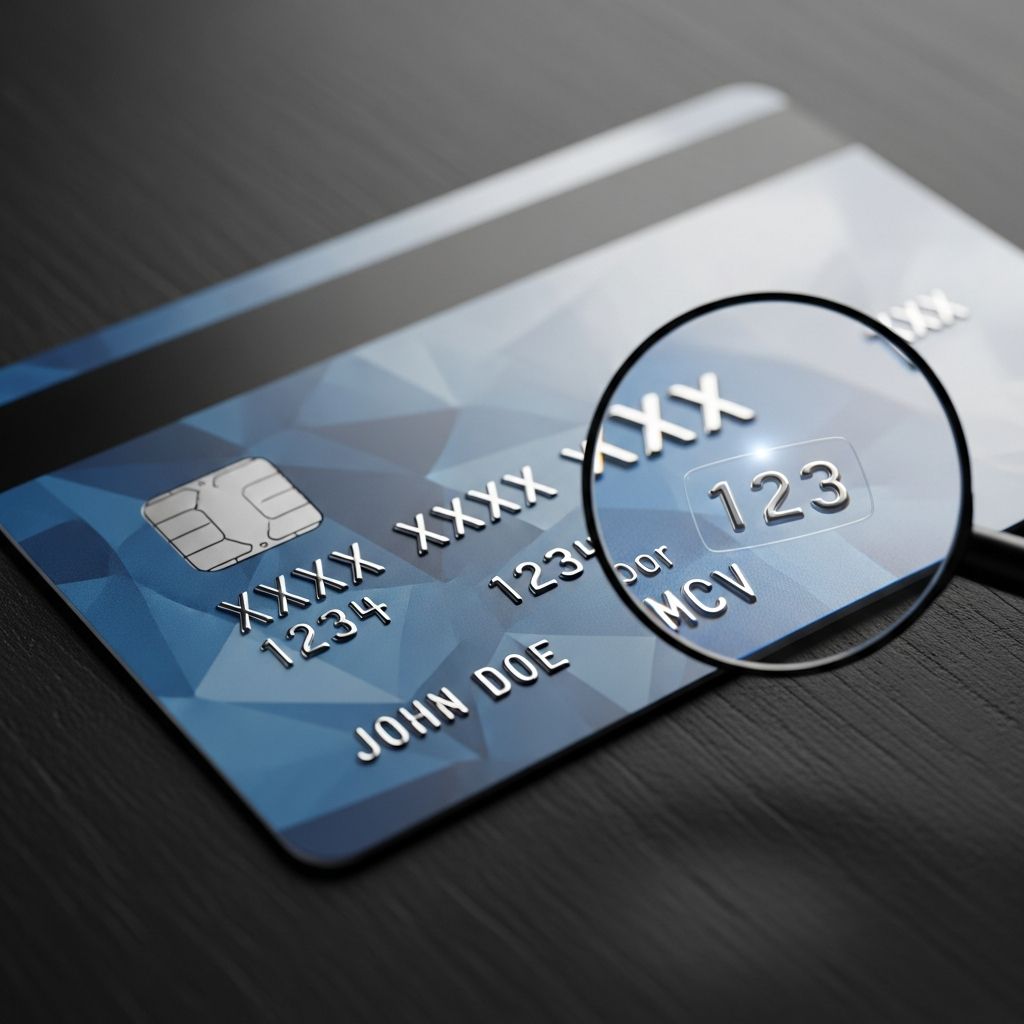
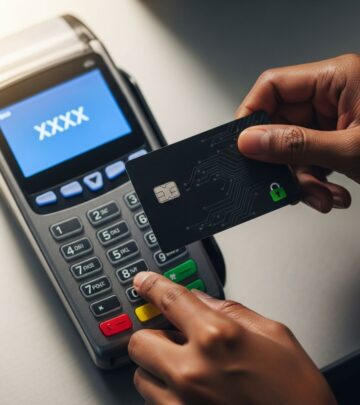
Debit card security codes serve as critical barriers against unauthorized transactions, particularly for online and phone-based purchases where physical card verification isn’t possible. These three- or four-digit numbers, often called CVV, CVC, or CID, add a vital layer of authentication beyond your card number and expiration date.
What Are Debit Card Security Codes?
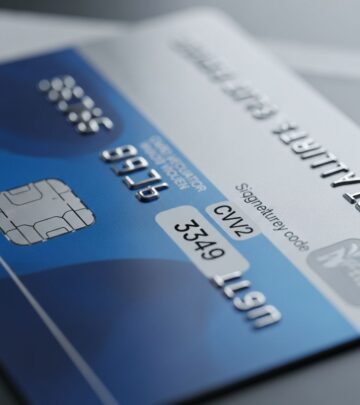
These codes are short numeric sequences printed on debit cards but not encoded in the magnetic stripe or EMV chip. They verify possession of the physical card during remote transactions, reducing fraud risk by ensuring the buyer has the card in hand. Unlike PINs used for in-person or ATM use, security codes focus on non-face-to-face payments.
- CVV (Card Verification Value): Visa and Mastercard standard, typically 3 digits.
- CVC (Card Verification Code): Used by some issuers for similar purposes.
- CID (Card Identification Number): American Express variant, often 4 digits on the front.
Financial institutions embed these codes solely on the card’s surface to prevent digital replication during skimming or data breaches.
Locating the Security Code on Your Debit Card
Finding the code is straightforward but requires careful inspection to avoid errors that could flag transactions as suspicious.
| Card Network | Code Name | Location | Digits |
|---|---|---|---|
| Visa/Mastercard/Discover | CVV/CVC | Back, signature strip | 3 |
| American Express | CID | Front, above card number | 4 |
Modern cards may obscure parts of the code for added security, printing only the last digit while providing the full number via banking apps or statements. Always check your issuer’s app for digital access without exposing the physical card.
Why Security Codes Matter in Fraud Prevention
In an era of rising digital theft, these codes block ‘card-not-present’ fraud, which accounts for a significant portion of payment scams. Without the code, thieves can’t complete online buys even with stolen card details.
Combined with EMV chips—which generate unique codes per transaction—they make counterfeiting nearly impossible compared to outdated magnetic stripes. Banks report EMV adoption has slashed counterfeit fraud by over 70% in enabled regions.
Advanced Security Layers Beyond the Code
While codes are foundational, layered defenses amplify protection.
EMV Chip Technology
EMV chips create dynamic cryptograms for each swipe or tap, rendering cloned cards useless. This shift from static magnetic data has revolutionized debit safety.
Tokenization and Encryption
Digital payments replace card details with tokens—random identifiers linked only to your account via secure servers. Encryption via SSL/TLS scrambles data in transit, thwarting interception.
Contactless Payments and Digital Wallets
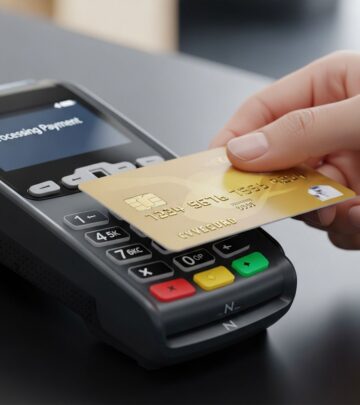
Tap-to-pay uses tokenized data and proximity limits (under 2 inches), preventing remote skimming. Wallets like Apple Pay add biometrics, ensuring only you authorize spends.
Virtual Debit Cards: The Next Frontier
Virtual cards generate temporary numbers for single-use or limited transactions, ideal for risky online shops. No physical card means no loss risk, with instant freeze options via apps.
- Dynamic numbers expire post-use.
- Spending caps by merchant or amount.
- 2FA and biometric locks standard.
These outperform physical cards for e-commerce, minimizing exposure.
Daily Habits to Secure Your Debit Card
Proactive steps complement built-in features.
- Select Robust PINs: Avoid birthdays or sequences; mix numbers uniquely per card.
- Enable Alerts: Real-time texts/emails flag anomalies instantly.
- Lock on Loss: App-based toggles disable cards remotely.
- Monitor Balances: Daily checks catch issues early.
- Shield Physically: Use RFID blockers; never share details.
Risks of Debit Over Credit and Mitigation
Debit links directly to your funds, so fraud drains cash immediately—unlike credit’s grace period for disputes. Opt for credit where possible, but for debit:
- Use chip/contactless over swipe.
- Set low daily limits.
- Leverage zero-liability policies from Visa/Interac.
Responding to Suspected Fraud
Act fast: Lock card, report to bank (e.g., 1-866 numbers), file disputes digitally. Most offer $0 liability if prompt.
FAQs
What if I don’t see my security code?
Contact your bank; it’s often in apps or replaceable cards.
Can security codes be changed?
No, but virtual cards provide fresh ones per use.
Is online debit safer now?
Yes, with 3D Secure adding OTP/biometrics atop codes.
Should I use debit for travel?
Prefer with limits; notify bank of trips.
How do I avoid skimmers?
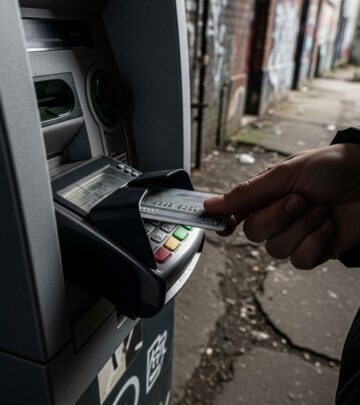
Stick to indoor ATMs, inspect readers, use apps.
Future-Proofing Your Debit Security
Biometrics, AI fraud detection, and blockchain tokens herald even stronger protections. Stay updated via bank alerts to adopt them swiftly.
References
- Debit Card Explained: Features, Benefits, Types and Security — Ancoris Bank. 2024. https://www.ancoriabank.com/blog/debit-card-explained/
- Safety and Security Features of Credit Union Debit Cards — Ent Credit Union. 2023-10-15. https://www.ent.com/education-center/smart-money-management/safety-and-security-features-of-credit-union-debit-cards/
- TD Access Card security features — TD Stories. 2024. https://stories.td.com/ca/en/article/td-debit-card-security-features
- Four Security Features of Digital Payments — Chase. 2023-05-20. https://www.chase.com/personal/credit-cards/education/basics/four-security-features-of-digital-payments
- 6 Ways to keep your debit card information secure — Webster First. 2024-01-10. https://www.websterfirst.com/blog/keep-your-debit-card-information-secure/
Similar Articles








Read full bio of medha deb