Debit Card Rewards Explained
Discover how debit card rewards deliver cash back, points, and perks without debt risk—unlock smarter spending today.

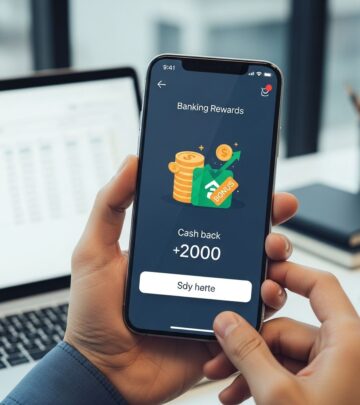
Debit card rewards programs allow users to earn incentives like cash back or points on purchases made directly from their checking accounts, offering a low-risk alternative to credit card perks. Unlike credit cards, these rewards come without interest charges or debt accumulation, making them ideal for budget-conscious consumers.
The Mechanics Behind Debit Rewards
Debit rewards function by tracking qualified transactions and awarding value based on spending volume or categories. Banks fund these programs through interchange fees—small percentages paid by merchants for card processing—rather than user interest, which explains their relative rarity compared to credit options. When you swipe or tap, the issuer credits your account with percentages (e.g., 1-2% cash back) or points (e.g., 1 per $3 spent), redeemable for statement credits, deposits, or merchandise.
Qualifying purchases typically exclude cash advances, ATM withdrawals, or balance transfers, focusing instead on everyday retail like groceries or gas. Some programs boost earnings in bonus categories, such as 3x points on utilities, to align with common expenses. Activation often requires linking to a rewards checking account with minimal qualifications like 10 monthly debit uses.
Popular Types of Debit Card Incentives
Diversified reward structures cater to varied lifestyles, from flat-rate cash returns to targeted discounts. Here’s a breakdown:
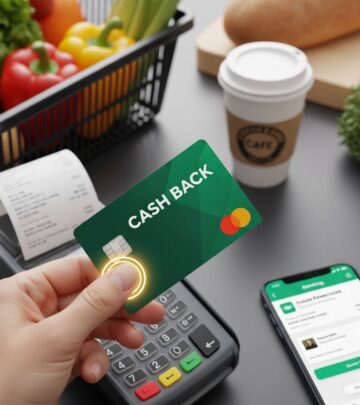
- Cash Back Models: Direct percentage refunds, often 1% unlimited or 2% capped on categories like dining and fuel. For instance, programs return funds monthly to your balance.
- Points Accumulation: Earn scalable points per dollar, redeemable flexibly for gift cards, travel, or cash equivalents. Rates vary from 1 point/$3 base to 3x multipliers.
- Discount Partnerships: Instant savings at partnered retailers, reducing costs at checkout without post-purchase redemption.
- Perk Bundles: Non-monetary benefits like ATM fee rebates or subscription credits, enhancing overall account value.
| Reward Type | Earning Rate Example | Redemption Options | Best For |
|---|---|---|---|
| Cash Back | 1-2% on select categories | Account credit/deposit | Everyday spenders |
| Points | 1 pt/$3; 3x groceries | Gift cards, merchandise | High-volume users |
| Discounts | 5-10% at partners | Instant at POS | Shoppers at affiliates |
| Perks | Fee rebates up to $20/mo | Direct account benefits | Fee-averse customers |
Standout Debit Rewards Programs in 2025
Several issuers lead with competitive offerings, often fee-free and accessible via standard checking setups. Discover Cashback Debit provides 1% on up to $3,000 monthly spend—capping at $30/month potential—with no fees or minimums, ideal for moderate users. Upgrade Rewards Checking ups the ante at 2% (up to $500/year) on gas, groceries, and restaurants, dropping to 1% thereafter, blending high yields with no-fee structure.
Extra’s debit innovates by pairing rewards with credit-building: up to 1% points on daily buys like rideshares, redeemable for AirPods or cards, while reporting activity positively. Southland Credit Union targets essentials with 1 point/$3 base, tripling for groceries/utilities, tied to a checking account waiving $5 fees via simple qualifiers like direct deposits. North Shore Bank’s Debit Rewards uses Mastercard points for cash redemptions on standard cards.
Stash highlights these as top 2025 picks, emphasizing no-credit-check entry and category bonuses aligning with inflation-hit sectors like food and energy.
Advantages of Choosing Rewards Debit Over Regular Cards
These programs shine in risk mitigation: spend only what you have, earning extras without overspending temptations. Savings compound—1% on $2,000 monthly yields $240 yearly—while perks like unlimited ATM access add utility. No annual fees, credit pulls, or balances distinguish them from credit rewards, suiting students, low-credit individuals, or debt-avoiders.
Alignment with habits maximizes value; grocery-heavy spenders thrive on bonus categories, turning routine bills into gains. Over time, rewards offset banking costs, providing ‘paid-to-spend’ dynamics even at modest 0.25-0.50% baselines.
Potential Limitations and Watch-Outs
Rewards aren’t universal; many banks skip them due to slimmer margins from lacking interest revenue. Caps limit high spenders—e.g., Discover’s $3,000/month—while qualifiers (10 debits/month) demand consistency. Redemption minimums or expirations can erode value if unused, and points may undervalue cash equivalents.
Merchant category restrictions mean not all swipes qualify, and fraud risks mirror any card, underscoring monitoring needs. Compared to credit’s 5% rotating bonuses, debit yields lag, but safety trumps for many.
Strategies to Maximize Your Debit Rewards
Optimize by selecting cards matching spend patterns—bonus hunters pick category leaders like Upgrade. Meet qualifiers religiously for fee waivers and boosts. Combine with autopay for utilities/groceries to hit multipliers. Track via apps to redeem promptly, avoiding forfeiture.
- Review statements monthly for earnings accrual.
- Route common expenses (bills, gas) to rewards debit.
- Stack with bank promos or cash-back portals.
- Switch if better rates emerge, as no credit impact.
High spenders layer multiple accounts, but simplicity often wins for most.
Frequently Asked Questions
Do all debit cards offer rewards?
No, rewards are less common on debit than credit due to fee-based funding limits. Shop issuers like Discover or credit unions for options.
Are there fees with rewards debit cards?
Many are free, but some tie to checking accounts with waivable fees via activity. Always check terms.
Can rewards build credit?
Traditional ones don’t report; niche like Extra do, boosting scores via positive payment history.
How do I redeem debit rewards?
Varies: cash via deposit/credit, points for gifts/travel. Most apps/portals simplify.
What’s the highest cash back rate?
Up to 2% on categories like Upgrade, with 1% fallback—strong for debit.
Is a Rewards Debit Right for You?
For disciplined spenders seeking effortless perks, yes—pair with budgeting for amplified impact. Evaluate spend, compare programs, and start small to test fit. As fintech evolves, expect more innovative, high-yield options narrowing credit-debit gaps.
References
- Why debit card rewards are so rare—and how Southland is … — Southland Credit Union. 2025-04. https://www.southlandcu.org/scu-news/2025/april/why-debit-card-rewards-are-so-rare—and-how-southla/
- Debit Card Rewards Program: What You Need to Know — Extra. N/A. https://extra.app/blog/post/debit-card-rewards-programs-exist-heres-what-you-need-to-know
- 9 Best Debit Card Rewards Programs for 2025 — Stash Learn. 2025. https://www.stash.com/learn/debit-card-rewards/
- Debit Cards with Rewards — Edvisors. N/A. https://www.edvisors.com/money-management/banking/rewards-debit-cards/
- The New World of Debit Card Rewards in Travel and Hospitality — Sunrise Banks. N/A. https://sunrisebanks.com/stories/the-new-world-of-debit-card-rewards-in-travel-and-hospitality/
Similar Articles








Read full bio of Sneha Tete