Understanding Debit Card Market Dynamics in 2026
Explore why debit card usage patterns are shifting and what drives consumer payment choices today
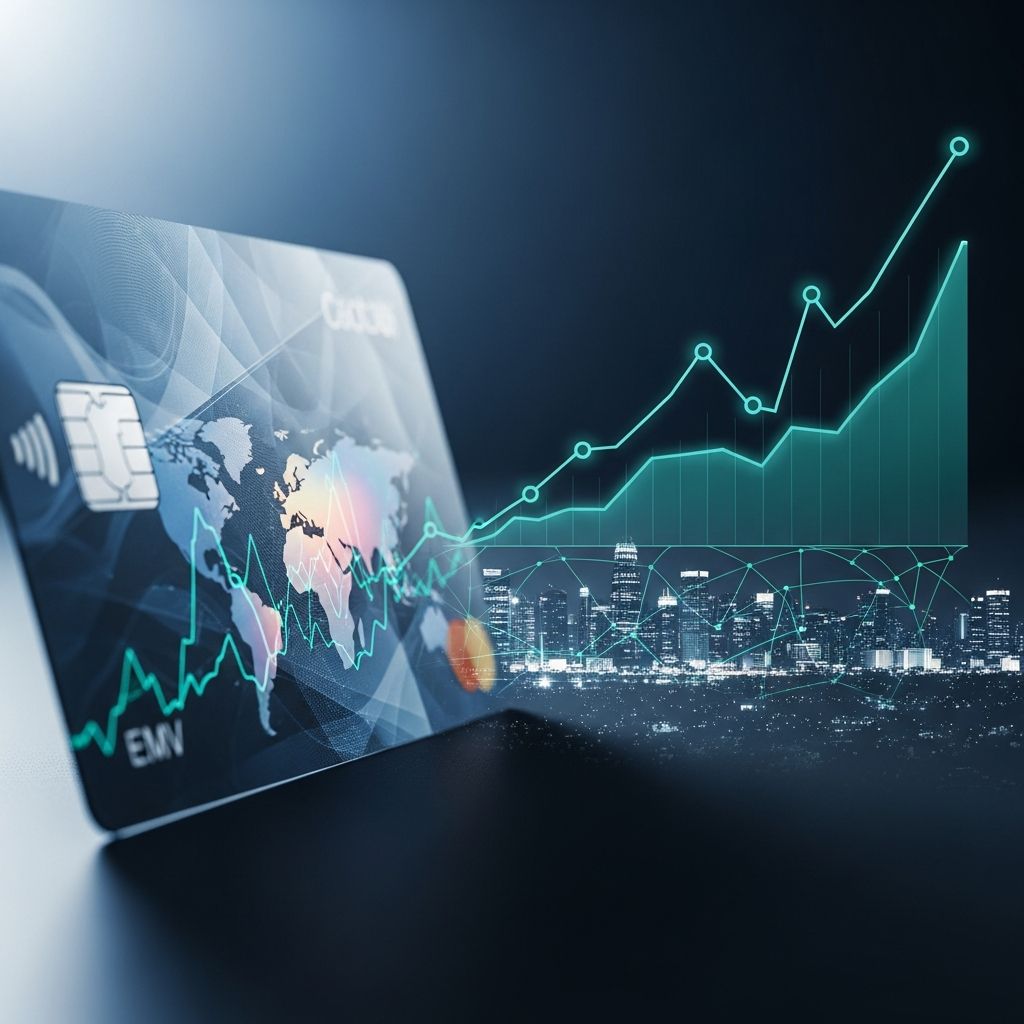
The financial landscape continues to transform as consumers reassess how they manage their money and make everyday purchases. While many assume debit card usage is declining uniformly across all demographics, the reality is far more nuanced. The global debit card market is projected to reach approximately $96.84 billion in 2026, with steady growth expected through 2030. This apparent contradiction between perceived decline and actual market expansion reveals important insights about how different consumer segments are reshaping their payment behaviors.
The Paradox of Market Growth and Perception
One of the most striking aspects of the debit card industry today is the disconnect between market projections and consumer sentiment. While the debit card market is forecasted to grow at a compound annual growth rate (CAGR) of 2.4% from 2026 to 2030, reaching $106.45 billion by 2030, casual observers often perceive debit cards as becoming less relevant. This perception stems from several interconnected factors that deserve careful examination.
The evolution of payment technologies has created both opportunities and challenges for traditional debit card usage. Contactless payments now represent 45% of all debit card transactions, up significantly from 38% the previous year, demonstrating that debit card adoption is actually accelerating in certain formats. However, the rise of alternative payment methods—including digital wallets, account-to-account transfers, and cryptocurrency options—has fragmented the payment landscape in ways that weren’t present even five years ago.
Demographic Divisions in Payment Preferences
Age represents one of the most powerful predictors of payment method preferences today. Generation Z consumers demonstrate a particularly strong affinity for debit cards, with 63% preferring them over credit cards, citing financial discipline as the primary motivation. Among Gen Z, debit cards account for 75% of all purchases, reflecting a fundamentally different approach to money management compared to previous generations.
This generational shift carries significant implications for the financial services industry. Younger consumers are deliberately choosing to spend only what they have accumulated, rather than borrowing against future income. This behavioral pattern suggests that debit card usage among younger demographics may remain robust for decades to come, even as other payment methods proliferate.
In contrast, consumers aged 55 and older present a more complex picture. While this demographic uses debit cards for 45% of their daily transactions, they continue to prefer credit cards for larger purchases. This segmented approach reflects decades of established financial habits and differing perspectives on credit utilization.
Income Level and Payment Method Selection
Socioeconomic status substantially influences which payment methods consumers prioritize. Lower-income households earning under $30,000 annually rely on debit cards for 85% of in-person purchases, making debit the overwhelmingly dominant payment method for this segment. This dependency reflects both preference and necessity—debit cards offer spending control and avoid credit access limitations.
As household income increases, payment method preferences become more diversified. In the $25,000 to $49,999 bracket, debit card usage rises to 67.4%, while credit card adoption reaches 29.6%. Among households earning $50,000 to $74,999, debit card usage moderates to 54.6%, while credit card preference climbs to 42.9%. This inverse relationship between income and debit card reliance reflects the greater financial flexibility that higher-earning households typically enjoy.
Transaction Patterns and Everyday Commerce
Understanding what consumers purchase with debit cards provides crucial context for interpreting usage statistics. Debit cards account for 44% of grocery and everyday purchases, demonstrating their continued dominance in routine consumer transactions. The average U.S. consumer executes 34.6 debit card transactions monthly, underscoring the pervasiveness of debit cards in daily financial life.
The transaction value patterns also reveal important insights. The average global debit card transaction value stands at $65, with higher averages observed in Europe and North America. These moderate transaction sizes align with debit’s typical use case: everyday purchases rather than major expenditures. The prevalence of chip-enabled debit cards in 89% of all U.S. debit transactions reflects the industry’s successful transition toward enhanced security standards.
The Contactless Revolution and In-Person Payments
Perhaps the most significant transformation in debit card usage involves the shift toward contactless payment methods. Contactless debit card transactions now represent 73% of all U.S. in-person transactions, representing a fundamental change in how consumers interact with point-of-sale terminals. This rapid adoption of tap-and-pay technology has been driven by multiple factors: consumer desire for faster transactions, perceived hygiene benefits post-pandemic, and widespread merchant acceptance.
The geographic variation in contactless adoption offers interesting insights. While 73% of U.S. in-person transactions now use contactless debit methods, European tap-to-pay transactions have surpassed 60% of all card payments. This suggests that North American consumers may be leading the contactless revolution, or alternatively, that different payment infrastructures support varying adoption rates across regions.
Consumer surveys confirm strong support for contactless payment expansion. Approximately 53% of U.S. consumers now prefer contactless payments for in-store purchases, actively accelerating tap-and-go adoption. This preference represents not merely technological acceptance but genuine consumer demand for faster, simpler payment experiences.
Security Innovations and Consumer Confidence
As payment technologies advance, security remains a paramount concern for both consumers and financial institutions. The emergence of biometric payment cards represents one of the most promising developments for strengthening debit card security. Forecasts project biometric payment cards scaling dramatically from $321.9 million in 2025 to $6.47 billion by 2035, representing a 35% compound annual growth rate. This trajectory suggests that biometric authentication could become mainstream within the debit card ecosystem within the next decade.
These security enhancements serve multiple purposes. They reduce fraud risk, increase consumer confidence in debit card usage, and differentiate debit offerings in an increasingly competitive payments landscape. Financial institutions investing in biometric and advanced security technologies position themselves to retain customers in an environment where payment method loyalty cannot be assumed.
Market Projections and Long-Term Outlook
| Year | Projected Market Size | Growth Notes |
|---|---|---|
| 2026 | $96.84 billion | Baseline year establishing long-term projections |
| 2027 | $99.0 billion | Increased digital payment adoption drives growth |
| 2028 | $101.5 billion | Wider debit card usage in everyday transactions |
| 2029 | $104.0 billion | Contactless payments gain significant momentum |
| 2030 | $106.45 billion | Continued worldwide reliance on debit cards |
The debit card market’s projected growth trajectory from 2026 to 2030 reflects analyst confidence in debit’s enduring relevance. The 2.4% CAGR may appear modest compared to emerging payment technologies, but it represents consistent, reliable expansion across a massive global market serving billions of consumers.
Cash Decline and Payment Method Consolidation
While debit card usage patterns themselves merit close analysis, the broader context involves cash’s continuing decline. Cash use is experiencing a net 8% decline as contactless payments and debit cards surge, fundamentally altering the payment infrastructure. This consolidation around electronic payment methods represents one of the most significant shifts in consumer financial behavior over the past decade.
The transition away from cash creates both opportunities and challenges. For financial institutions, it enables better tracking of consumer spending patterns and fraud prevention. For consumers, it increases convenience but simultaneously reduces financial privacy and exposes individuals to cybersecurity risks. The generational shift away from cash appears irreversible, with younger consumers demonstrating minimal attachment to physical currency.
Emerging Payment Technologies and Competitive Pressures
The debit card industry operates within an increasingly competitive ecosystem. Digital wallets, buy-now-pay-later services, and account-to-account payment rails represent alternative approaches to moving money that don’t rely on traditional debit infrastructure. Despite these competitive pressures, debit cards maintain their position through continuous innovation and integration with emerging technologies.
The cashback rewards programs linked to debit cards have gained surprising popularity, with 19% of consumers now enrolled in such programs, enhancing debit’s appeal relative to credit. This development addresses one of debit’s historical disadvantages—limited rewards incentives—by creating competitive offerings comparable to credit card benefits.
Digital Subscription Payments and Recurring Transactions
An often-overlooked application of debit cards involves digital subscription payments. Debit card spending on digital subscriptions has grown by 23%, highlighting increasing consumer preference for digital services and recurring payments. This expansion reflects both the proliferation of subscription-based business models and consumer comfort with recurring debit card charges for digital content and services.
Global Adoption Metrics
Contextualizing U.S. debit card trends within global patterns provides valuable perspective. Approximately 4 billion adults worldwide, representing roughly 50% of the global adult population, utilize debit cards, demonstrating the payment method’s fundamental importance to the global financial system. This massive user base ensures continued investment and innovation in debit infrastructure across developed and emerging markets alike.
Frequently Asked Questions
Why do younger consumers prefer debit cards?
Generation Z consumers prioritize financial discipline and spending only what they have already accumulated. This preference reflects different attitudes toward debt and credit compared to previous generations, with 63% of Gen Z explicitly preferring debit cards for this reason.
Is the debit card market actually growing?
Yes, the global debit card market is projected to reach $96.84 billion in 2026 and grow to $106.45 billion by 2030, representing steady expansion despite perceptions of decline. Growth is driven by technological innovations, contactless payment adoption, and increased digital payment integration.
What percentage of payments use contactless debit cards?
Contactless debit card payments now represent 73% of all U.S. in-person transactions, while contactless payments account for 45% of all debit transactions globally. In Europe, tap-to-pay transactions exceed 60% of all card payments.
How do payment preferences differ by income level?
Lower-income households use debit cards for 85% of in-person purchases, while higher-income households diversify more between debit and credit options. Among households earning $25,000-$49,999, debit usage reaches 67.4%, declining to 54.6% in the $50,000-$74,999 bracket.
What security improvements are coming to debit cards?
Biometric payment cards represent the most significant upcoming security enhancement, with market projections growing from $321.9 million in 2025 to $6.47 billion by 2035—a 35% CAGR. These technologies will substantially reduce fraud risk and increase consumer confidence.
Looking Forward: The Future of Debit Cards
The debit card industry stands at a critical juncture where technological innovation meets evolving consumer expectations. Rather than declining, debit cards are transforming—adapting to new payment technologies, integrating with digital wallets, and incorporating advanced security features. The market’s continued growth through 2030 and beyond reflects this successful evolution.
Understanding why debit cards remain central to consumer finances requires moving beyond surface-level statistics to examine the complex interplay of generational preferences, economic circumstances, technological capabilities, and security considerations. The debit card’s future appears secure, supported by billions of active users globally and continuous innovation from financial service providers seeking to maintain relevance in an increasingly digital financial ecosystem.
References
- Debit Card Statistics 2026: Insights That Matter Now — MEXC News. 2026. https://www.mexc.co/en-IN/news/577080
- Debit Card Statistics 2026: Insights That Matter Now — CoinLaw. 2026. https://coinlaw.io/debit-card-statistics/
- Why is Cash Use Declining? 2026 Payment Trends & Stats — IntelliPay. 2026. https://intellipay.com/cash-use-continues-its-decline/
Similar Articles








Read full bio of medha deb