Debit Card Fees Abroad Explained
Discover how debit card foreign fees add up during travel and master strategies to minimize costs on international spending.
Using a debit card internationally often triggers unexpected charges that can inflate your travel expenses significantly. These fees, typically ranging from 1% to 3% per transaction, apply to purchases and withdrawals processed in foreign currencies or through overseas networks. Understanding their structure empowers travelers to choose better banking options and protect their budgets.
The Hidden Costs of International Debit Use
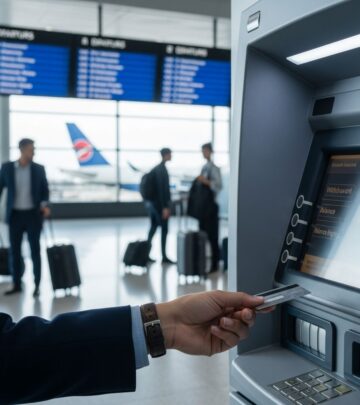
When you swipe your debit card at a foreign merchant or insert it into an overseas ATM, multiple layers of fees can accumulate. Primary among them is the
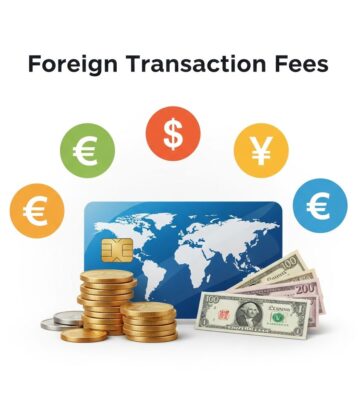
foreign transaction fee
, a percentage-based charge levied by your bank for converting and processing non-domestic payments. This fee mirrors those on credit cards and stems from the need to translate local currency into U.S. dollars.Beyond that,
international ATM fees
add a flat cost, frequently $2 to $5 per withdrawal, imposed by both your bank and the foreign ATM operator. These differ from domestic out-of-network charges and can double up, turning a simple cash pull into a costly endeavor. For instance, withdrawing $200 might incur a $5 bank fee plus a 3% transaction fee ($6), totaling $11 extra—over 5% of the amount.| Fee Type | Typical Range | Applies To |
|---|---|---|
| Foreign Transaction Fee | 1%-3% | Purchases & ATM withdrawals in foreign currency |
| International ATM Fee (Bank) | $2-$5 flat | Overseas ATM use |
| ATM Operator Surcharge | $1-$5 flat | Foreign machine usage |
| Currency Conversion Markup | 0.5%-2% | Exchange rate adjustments |
This table illustrates common fee structures; always verify your account terms, as rates vary by institution.
Breaking Down How Fees Are Calculated
Foreign transaction fees consist of two components: a
network assessment
(around 1% from Visa or Mastercard for handling the transaction) and anissuer markup
(1%-2% added by your bank). Together, they form the total 1%-3% charge applied to the full transaction amount after currency conversion.To compute your potential cost: multiply the purchase total (in USD equivalent) by the fee rate. A 500 euro meal at a 1.10 USD/EUR rate equals about $550; a 3% fee adds $16.50. Fees post to your statement separately, often days later, labeled as ‘foreign service’ or similar.
ATM withdrawals compound this: the foreign ATM converts at its rate (often poor), then your bank applies its fee and percentage. Opting for local currency at the ATM—declining dynamic currency conversion (DCC)—secures your bank’s typically fairer rate.
Why Fees Hit Even Domestic Transactions
Not all international fees require passports. Online buys from foreign merchants or those routing through overseas banks trigger charges, even if priced in dollars. English-language sites like European fashion outlets or Asian electronics vendors often qualify. Check merchant addresses or billing descriptors on statements to spot them.
Post-Brexit, UK-based purchases or EU vendors post-Schengen changes can surprise U.S. users. Always review card agreements for ‘foreign acquired’ transaction definitions.
Spotting Fees on Your Statements
These charges appear as distinct line items: ‘Intl Svc Fee,’ ‘Foreign Trans Fee,’ or currency codes. They process 1-3 days after the transaction, separate from the base amount. Mobile apps from banks like Chase flag them in real-time alerts.
- Review terms pre-travel via app or PDF agreement.
- Enable notifications for international activity.
- Compare statement totals against receipts for discrepancies.
Smart Alternatives to Dodge Debit Fees
Proactive banking choices eliminate most costs. Seek debit accounts waiving foreign fees, such as those from online banks or select credit unions. Examples include partnerships reimbursing ATM surcharges globally.
Cash remains viable: exchange at airports sparingly, preferring city-center banks for better rates. High-yield savings build trip funds efficiently beforehand.
Top Fee-Free Debit Options for Travelers
- Online Banks: Many offer no foreign transaction fees and ATM reimbursements, ideal for frequent flyers.
- Big Bank Perks: Premium checking like Chase Private Client waives international fees.
- Credit over Debit: Rewards cards without FX fees earn points on spends, with purchase protection.
- Prepaid Travel Cards: Load with fixed amounts, but watch load/exchange fees.
Compare via bank sites; prioritize Visa/Mastercard networks for widest acceptance.
Pre-Trip Checklist for Fee Management
- Call your bank to confirm/notify travel and enable international use.
- Select primary/backup cards with no-fee policies.
- Research partner ATM networks abroad (e.g., U.S. banks with Barclays in Europe).
- Download offline translation apps for DCC declinations.
- Track spends via budgeting apps syncing accounts.
Advanced Tips for Frequent International Spenders
For business travelers or expats, multi-currency accounts from fintechs hold balances in euros/yen, avoiding conversions entirely. Pair with fee-free debit for seamless use.
Leverage bank alliances: U.S. institutions partner with foreign chains for surcharge-free access. Apps like ATM Hunter locate them. Minimize withdrawals by strategic larger pulls, balancing cash needs against opportunity costs.
FAQ: Common Debit Fee Questions
Do all debit cards charge foreign fees?
No, many modern accounts—especially online ones—omit them. Review your Schumer Box or terms.
What’s dynamic currency conversion, and should I avoid it?
DCC lets merchants convert to USD at inflated rates. Always choose local currency for bank rates.
Are online foreign buys fee-prone?
Yes, if merchant/bank is overseas. Flags include non-USD billing or international shipping.
How to fight improper fees?
Dispute via bank app with receipts; federal rules require timely resolutions.
Best for Europe/Asia ATM access?
Visa debit with global alliances; check bank apps for maps.
Long-Term Savings from Fee Awareness
Avoiding 3% fees on $5,000 annual international spend saves $150 yearly—funds for an extra hotel night. Shift to fee-free banking boosts returns via interest on larger balances too. Regular audits of statements prevent creep, fostering disciplined finances.
For families, designate kid cards with controls minus fees. Businesses reimburse staff via corporate no-fee accounts, streamlining expenses.
References
- How Debit Card Foreign Transaction Fees Work — NerdWallet. 2023-10-15. https://www.nerdwallet.com/banking/learn/debit-card-foreign-transaction-fees
- Foreign Transaction Fees: What Are They and How to Avoid Them — Chime. 2024-02-20. https://www.chime.com/blog/foreign-transaction-fees-what-are-they-and-how-to-avoid-them/
- What You Should Know About Foreign Transaction Fees — American Express. 2024-01-10. https://www.americanexpress.com/en-us/credit-cards/credit-intel/foreign-transaction-fees/
- Foreign transaction fee: meaning and when it applies to you — Wise. 2024-03-05. https://wise.com/us/blog/foreign-transaction-fee
- Overseas Card Fees (and How to Avoid Them) — Rick Steves. 2023-11-28. https://www.ricksteves.com/travel-tips/money/card-fees
- How to Avoid Foreign Transaction Fees — Chase. 2024-04-12. https://www.chase.com/personal/credit-cards/education/basics/how-to-avoid-foreign-transaction-fees
- Traveling Abroad: Payment Methods & Foreign Transaction Fees — Bank of America. 2023-12-01. https://bettermoneyhabits.bankofamerica.com/en/saving-budgeting/how-to-pay-when-traveling-abroad
Similar Articles








Read full bio of Sneha Tete