Debit as Credit: Myths and Realities
Uncover what happens when you select 'credit' on your debit card and why it won't boost your credit score like a real credit card.

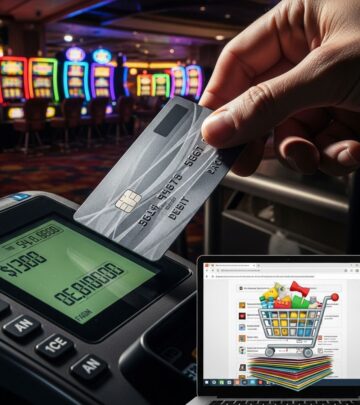
Many consumers encounter the option to run a debit card transaction as ‘credit’ or ‘debit’ at point-of-sale terminals. Selecting ‘credit’ might seem like a shortcut to credit-building perks, but it primarily affects how the transaction processes rather than transforming your debit card into a credit instrument. This choice deducts funds directly from your bank account while potentially offering enhanced fraud safeguards, depending on your bank’s policies.
Understanding Transaction Processing Options
Debit cards link directly to your checking account, enabling immediate fund withdrawals for purchases. The ‘debit’ option typically requires a PIN for verification, ensuring secure, quick transactions. In contrast, choosing ‘credit’ bypasses the PIN, treating the payment like a signature-based credit card swipe. Funds still transfer from your account, often within one to three business days, but without accruing interest since no borrowing occurs.
This distinction arises from network processing: ‘debit’ uses networks like STAR or Pulse for PIN-based approvals, while ‘credit’ runs through Visa or Mastercard signature networks. Banks may impose holds on funds during processing, temporarily reducing available balances.
Does It Impact Your Credit Score?
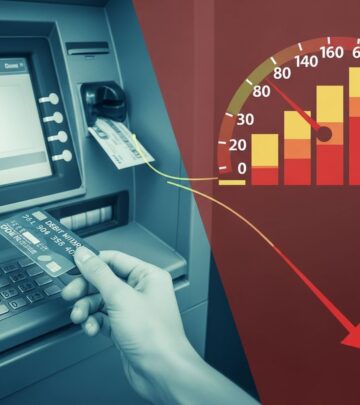
No, processing a debit card as credit does not contribute to credit history in most instances. Credit scores rely on borrowing and repayment data reported by lenders to bureaus like Experian. Debit transactions involve your own funds, not loaned money, so they generate no reportable activity. Credit cards, however, record usage and payments, positively influencing scores when managed well—payment history (35% of FICO score) and utilization (30%) benefit from on-time payments and low balances.
| Aspect | Debit as Credit | True Credit Card |
|---|---|---|
| Credit Building | No impact | Builds history if paid on time |
| Fund Source | Your bank account | Issuer’s line of credit |
| Interest | None | Accrues on unpaid balances |
| Reporting | Not reported | Reported to bureaus |
Fraud Protection Variations
Fraud liability differs significantly. Federal law limits credit card unauthorized charge liability to $50 if reported promptly. Debit cards offer similar caps—$50 if reported within two days, up to $500 if later, or full amount beyond 60 days—but resolution takes longer since funds leave your account immediately. Some banks extend zero-liability policies to debit ‘credit’ transactions, mimicking credit card protections by investigating before debiting funds.
- Credit cards: Issuer absorbs loss initially; you dispute without immediate account drain.
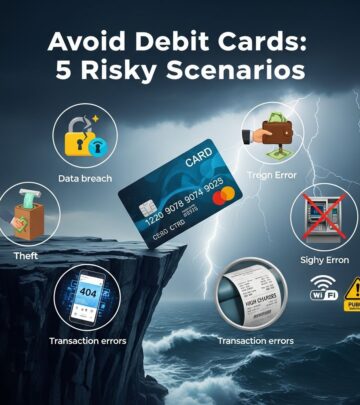
- Debit cards: Funds gone until investigation; potential overdraft if balance low.
Credit cards provide superior safeguards for high-risk scenarios like online shopping or travel, where unauthorized access could empty accounts faster with debit.
Advantages of Debit Card Usage
Debit cards promote spending discipline by limiting purchases to available funds, avoiding debt cycles. They typically incur no annual fees and suit routine expenses like groceries, where daily limits curb overspending. Real-time tracking via bank apps aids budgeting, and chip/PIN technology enhances security over cash.
- Spend only what you have: Prevents interest accumulation.
- ATM access: Withdraw cash conveniently.
- Budget control: Mirrors checking account balance.
Drawbacks and Hidden Costs
Despite conveniences, debit lacks rewards programs common in credit cards, such as cashback or points. Overdraft fees strike if transactions exceed balances—often $35 per incident—unless opted out. International use may incur foreign transaction fees, and lost cards risk quicker financial harm due to direct account linkage.
Larger purchases pose risks; holds can tie up funds longer, and no grace periods exist for repayment.
Strategic Scenarios for Each Card Type
Opt for debit for everyday, low-risk buys to maintain cash flow discipline. Reserve credit for rewards-eligible spending, emergencies, or protected categories like rentals—offering insurance and warranties debit skips. Travelers benefit from credit’s global acceptance and dispute ease.
| Scenario | Best Choice | Reason |
|---|---|---|
| Groceries | Debit | Budget adherence, no rewards needed |
| Online Shopping | Credit | Stronger fraud protection |
| Travel/Rentals | Credit | Insurance benefits, wide acceptance |
| Building Credit | Credit | Positive history reporting |
Building Credit Without Traditional Cards
For those avoiding unsecured credit, secured cards require deposits ($200-$3,000) as credit limits, reporting activity to bureaus for score improvement. Become an authorized user on a trusted person’s card, or use services reporting rent/utilities. Consistent habits—timely payments, low utilization—yield results over time.
Enhancing Debit Card Safety
Activate alerts for transactions, monitor accounts daily, and enable overdraft protection linking to savings. Use virtual card numbers for online buys if available, and report issues immediately to cap liability. Banks increasingly match credit protections, but vigilance remains key.
Frequently Asked Questions
Can choosing ‘credit’ on debit earn rewards?
No, rewards tie to credit accounts; debit lacks this feature universally.
How long for debit fraud resolution?
Up to 10 business days for provisional credit, longer for complex cases.
Does debit affect credit utilization?
No, as it’s not credit activity.
Are there fees for debit ‘credit’ runs?
Possible merchant surcharges or bank holds, but no interest.
Best for emergencies: debit or credit?
Credit, for purchase protection and payment flexibility.
Conclusion: Informed Choices for Financial Health
Using debit as credit simplifies some transactions with potential protection upsides but won’t forge credit history. Pair debit discipline with strategic credit use for optimal finances—balance spending control with building opportunities.
References
- Debit Versus Credit for Beginners: Benefits and Disadvantages — Liberty Group LLC. 2023. https://libertygroupllc.com/blog/debit-versus-credit-for-beginners-benefits-and-disadvantages/
- 5 Pros and Cons of Debit Cards vs. Credit Cards — DEXSTA. 2024. https://www.dexsta.com/pros-and-cons-of-debit-cards-vs-credit-cards/
- Credit vs. Debit Card: The Main Differences — TD Bank. 2025-03-15. https://www.td.com/us/en/personal-banking/when-to-use-credit-or-debit-card
- What Happens if You Use Your Debit Card as “Credit”? — Experian. 2025. https://www.experian.com/blogs/ask-experian/what-happens-if-you-use-debit-card-as-credit/
- Should I Use a Debit Card or a Credit Card? — Colony Bank. 2024. https://colony.bank/should-i-use-a-debit-card-or-a-credit-card/
Similar Articles








Read full bio of medha deb