Death Cross: Definition, Trading Strategy & Examples
Complete guide to Bordetella vaccine for dogs: protection, benefits, and kennel cough prevention.
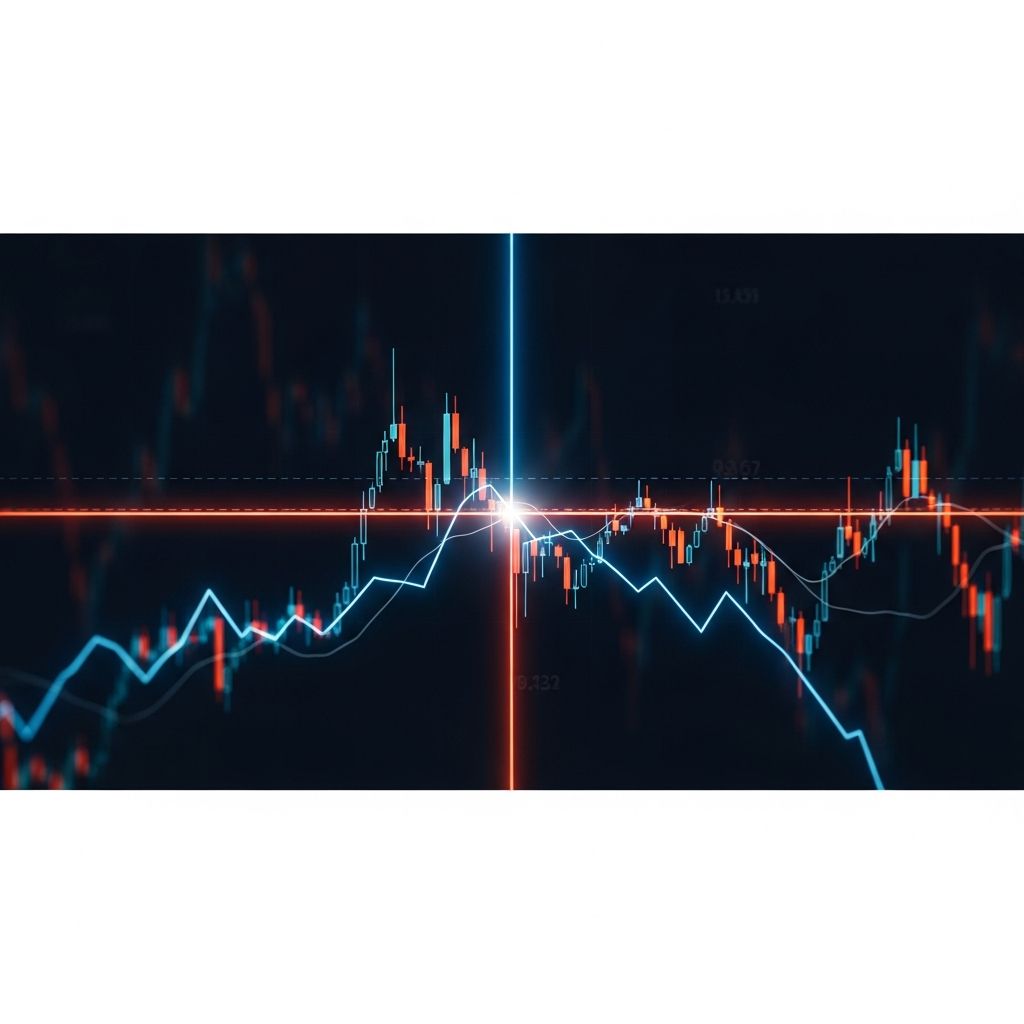
The death cross is a significant technical chart pattern that has captured the attention of traders and analysts for decades. This bearish indicator serves as a potential signal for transitions from bull markets to bear markets, and understanding its mechanics is essential for anyone involved in securities trading. The pattern emerges from the interaction of two critical moving averages and has been observed preceding some of the most devastating market crashes in financial history.
What Is a Death Cross?
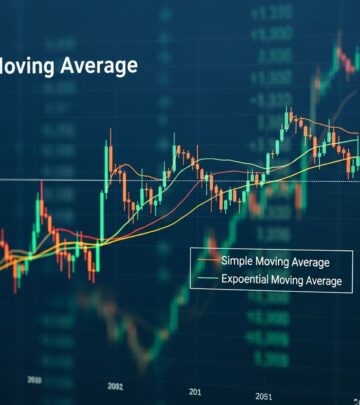
A death cross represents a technical chart pattern that occurs when a security’s short-term moving average crosses below its long-term moving average. Most commonly, this involves the 50-day moving average dropping below the 200-day moving average. This crossover is interpreted by many market participants as a strong bearish signal, suggesting that an asset or market index is transitioning from an uptrend to a downtrend.
The terminology reflects the gravity with which traders regard this pattern. Advocates of this technical indicator suggest that once a death cross occurs, a security is effectively “dead” from a bullish perspective, warranting defensive positions or risk reduction strategies. The pattern derives its ominous name from historical correlation with significant market downturns and the reversal of positive investor sentiment.
The Golden Cross: Understanding the Opposite Pattern
To fully comprehend the death cross, it is essential to understand its counterpart—the golden cross. While the death cross signals bearish sentiment, the golden cross represents the exact opposite. The golden cross occurs when the 50-day moving average crosses above the 200-day moving average. This pattern indicates the initiation of a bullish trend and is considered a strong buy signal by technical traders. Understanding both patterns provides traders with a more complete picture of market dynamics and potential trend reversals.
Three Phases of Death Cross Formation
The death cross pattern develops through a well-defined progression that helps traders anticipate and recognize the pattern as it forms:
Phase One: Momentum Deceleration
During the first phase, a security experiences an existing uptrend that gradually loses momentum. Buying pressure diminishes as the price approaches resistance levels. The initial phase represents the peak of bullish sentiment, after which market dynamics begin to shift. As buying volume decreases, the foundation for trend reversal is established.
Phase Two: The Crossover Event
The second phase marks the critical moment when the 50-day moving average falls below the 200-day moving average. During this period, sellers gain increasing control of the market, and price action deteriorates. This crossover signals the emergence of a new bearish long-term trend. The downside shift of the short-term average relative to the long-term average confirms the change in market direction.
Phase Three: Trend Confirmation
The final phase involves the continuation and sustainability of downward price movement. For a death cross to be considered genuine and reliable, the downtrend must persist beyond the initial crossover. If price action merely reverses shortly after the crossover and returns to upside momentum, the death cross is classified as a false signal. Sustained weakness is necessary for true confirmation.
Reliability and Confirmation Indicators
While the death cross provides valuable technical information, experienced traders recognize that confirmation from additional indicators strengthens the signal’s reliability. Several complementary technical tools enhance the death cross’s predictive power:
Trading Volume Analysis
One of the most important confirmation signals is elevated trading volume accompanying the death cross. Higher volume during the crossover indicates broader market participation in the trend shift, suggesting that more investors are embracing the bearish thesis. When institutional and retail investors simultaneously reduce positions, the likelihood of sustained downtrends increases significantly.
Momentum Indicators
Technical indicators such as the MACD (Moving Average Convergence Divergence) provide additional confirmation. Momentum indicators often reveal deterioration in long-term trend strength before or concurrent with the death cross formation. This synchronized weakness across multiple indicators substantially increases confidence in the bearish signal.
Limitations of the Death Cross
Despite its widespread use and historical significance, the death cross possesses notable limitations that traders must acknowledge:
Lagging Indicator Problem
The death cross is fundamentally a lagging indicator, meaning it only confirms trends after they have already begun. By the time the 50-day moving average crosses below the 200-day moving average, significant price deterioration has already occurred. Securities often decline substantially before the technical crossover registers on charts. This timing lag can result in traders entering defensive positions after considerable losses have materialized.
False Signal Risk
Not all death crosses lead to substantial market downturns. Temporary price corrections can trigger the pattern without initiating prolonged bear markets. Distinguishing between short-term corrections and structural bear markets requires additional analysis and contextual understanding of broader market conditions.
Variations and Adaptations
Traders have developed several modifications to the traditional death cross pattern to address timing limitations:
Price-Based Death Cross
Rather than waiting for moving average crossovers, some traders employ a variation where the price itself falls below the 200-day moving average. This event often signals trend deterioration well in advance of the traditional 50-day/200-day crossover, providing earlier warning of market weakness.
Alternative Moving Average Combinations
Market analysts utilize various moving average combinations beyond the standard 50-day and 200-day averages. Common variations include:
- 20-day moving average crossing below the 50-day moving average
- 100-day moving average substituting for the 200-day moving average
- Shorter timeframe charts such as hourly or four-hour candlestick patterns
These variations may prove particularly effective when substantial separation exists between the short-term and long-term moving averages, as wider gaps reduce lag effects.
Historical Examples and Market Crashes
The death cross has preceded numerous significant market downturns throughout financial history, lending credibility to its use as a predictive tool:
The 1929 Crash
A death cross pattern in the Dow Jones Industrial Average preceded the catastrophic market crash of 1929, which triggered the Great Depression. This historical precedent established the death cross as an important technical indicator for long-term market forecasting.
The 2008 Financial Crisis
The S&P 500 Index exhibited a death cross in May 2008, approximately four months before the full-blown financial crisis devastated global markets. This historical occurrence demonstrates the death cross’s potential value for identifying multi-month market deterioration.
The Dotcom Crash
The NASDAQ 100 Index displayed a clear death cross during the Dotcom bubble collapse around 2000, providing evidence of the pattern’s applicability across different market sectors and time periods.
Trading Strategies Utilizing the Death Cross
Investors and traders employ various strategies when death cross signals appear:
Risk Management and Defensive Positioning
Upon death cross confirmation, many traders reduce overall portfolio risk exposure. This may involve trimming equity positions, raising cash levels, and implementing hedging strategies. This defensive approach acknowledges the death cross as a cautionary signal warranting caution rather than aggressive positioning.
Contrarian Positioning
Experienced market participants recognize that death crosses often signal extreme pessimism. Historical analysis suggests that death crosses frequently coincide with oversold conditions and market lows. Contrarian investors may use death crosses as timing signals for selective entry into undervalued assets, particularly when combined with extreme negative sentiment readings.
Portfolio Rebalancing
Rather than making drastic tactical shifts, some investors use death crosses as reminders to rebalance portfolios and reassess asset allocations. This measured approach acknowledges the signal’s importance while avoiding emotional, reactive trading decisions.
Context and Market Environment Assessment
The interpretation of death cross signals depends significantly on broader market context. Distinguishing between event-driven corrections and structural bear markets proves essential:
Event-Driven Corrections
These represent temporary setbacks within longer-term uptrends, often driven by specific negative events or profit-taking. Death crosses during event-driven corrections may prove temporary, followed by trend reversals and new highs.
Structural Bear Markets
Structural bear markets reflect fundamental deterioration in economic conditions, corporate profitability, or credit markets. Death crosses during structural downturns often precede extended periods of underperformance and may lead to severe losses. The 2008 financial crisis and 2000 Dotcom crash represent structural bear market examples.
Frequently Asked Questions
Q: How reliable is the death cross as a trading indicator?
A: While historically significant, the death cross should not be used as a standalone indicator. It is most reliable when confirmed by elevated trading volume, momentum indicator deterioration, and extreme sentiment readings. The pattern provides valuable context but requires complementary analysis for optimal decision-making.
Q: What distinguishes a true death cross from a false signal?
A: A true death cross involves sustained downtrend continuation following the 50/200 moving average crossover. False signals occur when price action reverses quickly and returns to upside momentum. Confirmation through volume analysis and momentum indicators helps differentiate genuine signals from false alarms.
Q: Can death crosses occur in timeframes other than daily charts?
A: Yes, traders examine death crosses across various timeframes including hourly, four-hour, and weekly charts. Shorter timeframe death crosses may provide earlier signals but require confirmation to avoid noise-driven false signals.
Q: What action should investors take when a death cross occurs?
A: Investors should reassess portfolio risk, consider hedging strategies, and evaluate broader market fundamentals. Rather than panic selling, measured approaches such as rebalancing, raising cash, and rotating to defensive sectors often prove more effective than reactive trading.
Q: How does the death cross relate to market sentiment and investor psychology?
A: Death crosses often signal shifts from optimistic to pessimistic sentiment. By the time the pattern occurs, markets are frequently oversold and extreme negative sentiment prevails. This technical coincidence with sentiment extremes sometimes makes death crosses contrarian buy signals rather than sell signals.
Conclusion
The death cross remains a significant technical indicator in financial markets, representing the crossover of short-term and long-term moving averages that signals potential bearish trend reversals. While the pattern has preceded numerous market downturns throughout financial history, its effectiveness depends on contextual analysis, confirmation from complementary indicators, and understanding whether market conditions reflect structural deterioration or temporary correction. Rather than serving as a definitive trading signal, the death cross functions as an important analytical tool that prompts deeper investigation into market fundamentals, sentiment, and technical conditions. Successful traders treat the death cross as one component of comprehensive market analysis rather than a standalone prophecy, combining technical pattern recognition with fundamental research and risk management discipline.
References
- Death Cross: Technical Analysis Pattern — Corporate Finance Institute. 2024. https://corporatefinanceinstitute.com/resources/career-map/sell-side/capital-markets/death-cross/
- Understanding the Death Cross and Its Link to Market Bottoms — Investing.com Analysis. 2024. https://www.investing.com/analysis/understanding-the-death-cross-and-its-link-to-market-bottoms-200659722
Similar Articles








Read full bio of medha deb