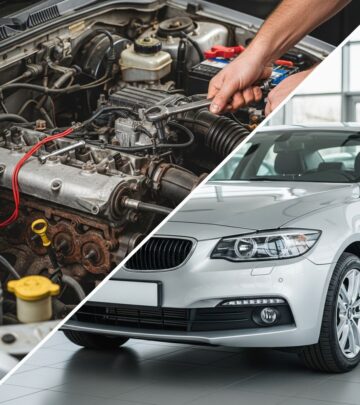
Dealership or Independent Shop: Best Car Service?
Discover the pros, cons, and smart choices for car servicing at dealerships versus independent shops to save money and keep your vehicle running smoothly.
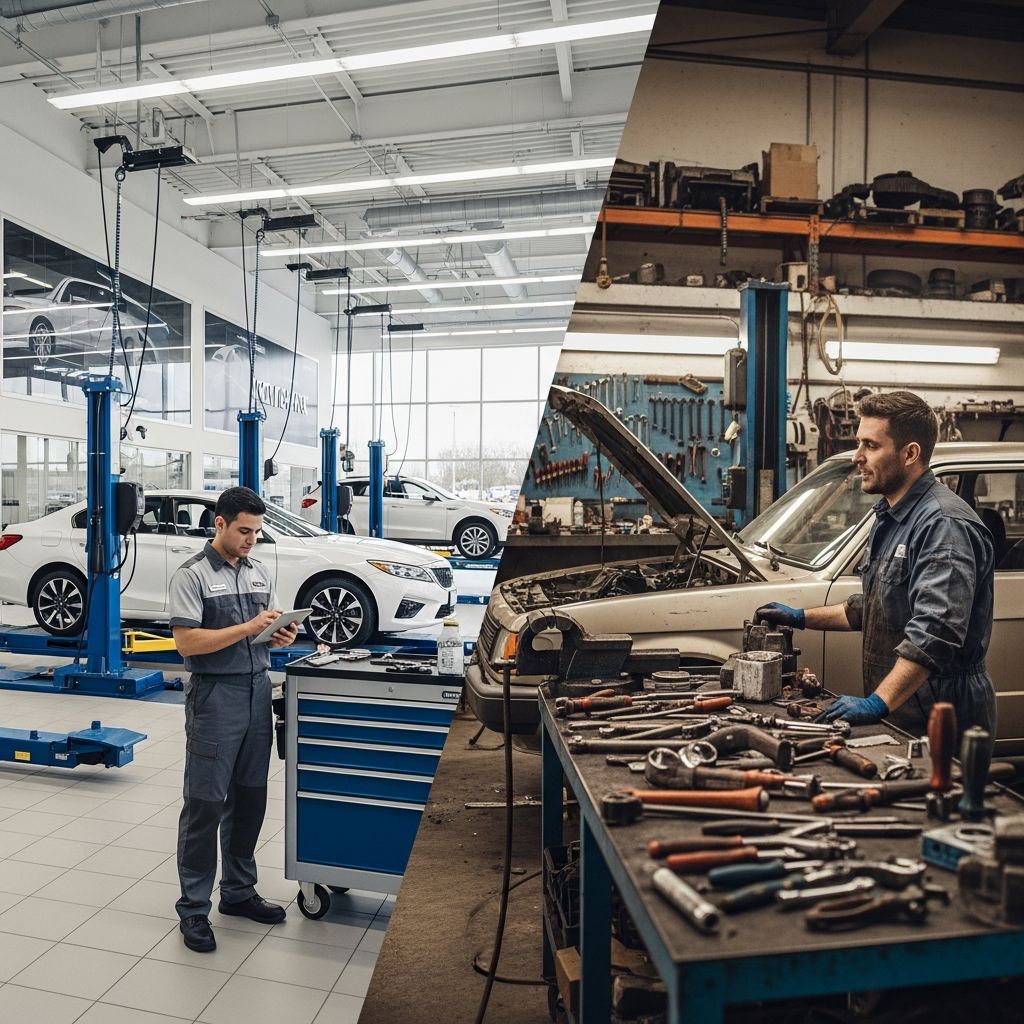
Choosing between a dealership service center and an independent auto shop can significantly impact your vehicle’s longevity, your wallet, and your peace of mind. Dealerships offer specialized knowledge backed by manufacturers, while independent shops provide affordability and personalized attention. This guide explores key factors to help you decide based on your car’s age, warranty status, and repair needs.
Understanding Service Options for Your Vehicle
Every car requires regular maintenance like oil changes, brake inspections, and tire rotations to perform optimally. Dealerships employ technicians trained specifically for certain brands, ensuring repairs align with factory standards. Independent shops, on the other hand, often handle a broader range of vehicles with versatile skills.
The U.S. auto parts and repair industry is massive, generating around $177 billion in 2023, split between dealerships and independents. This scale underscores the importance of selecting the right provider to avoid unnecessary expenses or subpar work.
Advantages of Dealership Servicing
Dealership service departments stand out for their direct connection to vehicle manufacturers. Here’s why they might be ideal:
- Brand-Specific Expertise: Technicians receive factory training and work daily on your make and model, using the latest diagnostic tools and repair bulletins.
- Genuine OEM Parts: Original equipment manufacturer parts ensure compatibility and quality, often superior to aftermarket alternatives.
- Warranty Compliance: Services preserve manufacturer warranties, crucial for new or certified pre-owned vehicles.
- Comprehensive Inspections: Many offer free multi-point checks, identifying issues early.
For newer cars, especially under warranty, dealerships minimize risks of voided coverage. They also provide perks like loaner cars or shuttles, easing inconvenience during waits.
Drawbacks of Choosing a Dealership
Despite their strengths, dealerships have notable downsides:
- Higher Costs: Labor rates and parts markups exceed independents, sometimes by 20-50%.
- Longer Wait Times: Popularity leads to scheduling delays and multi-day repairs.
- Less Personal Touch: High volume means interactions often go through service advisors rather than direct technician contact.
- Limited Flexibility: Fewer aftermarket options and rigid procedures.
These factors make dealerships less appealing for routine or out-of-warranty work on older vehicles.
Benefits of Independent Auto Shops
Independent mechanics offer compelling alternatives, particularly for budget-conscious owners:
- Cost Savings: Lower overhead results in reduced labor and parts prices, ideal for frequent maintenance.
- Personalized Relationships: Owners often build rapport with mechanics who learn your car’s history over time.
- Flexible Parts Sourcing: Access to both OEM and high-quality aftermarket parts, with potential dealership sourcing at shop rates.
- Quicker Turnaround: Smaller operations mean faster service without extensive queues.
Specialized independents focusing on brands like European or Asian imports can match dealership quality at lower prices.
Potential Risks with Independent Shops
Independents aren’t without challenges:
- Warranty Risks: Non-dealership work may void coverage if issues arise later.
- Variable Expertise: Not all shops have brand-specific tools or updates.
- Parts Quality Variability: Aftermarket options might underperform long-term.
- Limited Amenities: Fewer loaners or shuttles compared to dealerships.
Researching reviews and certifications is essential to find reliable shops.
Cost Comparison: Dealership vs. Independent
Expenses vary by service type, location, and vehicle. Below is a typical breakdown for common repairs:
| Service | Dealership Average Cost | Independent Average Cost | Savings Potential |
|---|---|---|---|
| Oil Change | $80-$120 | $40-$80 | 30-50% |
| Brake Pads Replacement | $400-$700 | $250-$500 | 25-40% |
| Tire Rotation & Balance | $50-$100 | $30-$70 | 20-40% |
| Diagnostic Scan | $150-$250 | $80-$150 | 30-50% |
These figures are estimates; independents save more on major jobs like transmissions. Chains like Jiffy Lube offer quick basics but may lack depth for complex issues.
When to Choose a Dealership
Opt for dealerships in these scenarios:
- Your car is under warranty or extended coverage.
- Recall or manufacturer technical service bulletin applies.
- Complex electronics or hybrid systems need proprietary tools.
- You’re buying a service package with perks.
Warranties typically cover defects for 3-5 years/36,000-60,000 miles, honoring any authorized dealer nationwide.
Ideal Situations for Independent Mechanics
Independents shine when:
- Your vehicle is out of warranty and older.
- Routine maintenance like fluids and filters is needed.
- Budget is a priority without sacrificing quality.
- You prefer direct communication with the technician.
Verify they use OEM parts if concerned about durability.
Tips for Selecting the Right Provider
Make informed choices with these strategies:
- Check Certifications: Look for ASE (Automotive Service Excellence) badges.
- Read Reviews: Prioritize shops with consistent 4+ star ratings on multiple platforms.
- Ask About Parts: Confirm OEM availability and warranties on work.
- Get Multiple Quotes: Compare for transparency.
- Visit in Advance: Assess cleanliness and organization.
Location matters: Dealerships suit warranty needs anywhere; independents are ubiquitous but vary in quality.
Common Myths About Car Servicing
Myth 1: Only dealerships use genuine parts. Reality: Reputable independents source them too.
Myth 2: Independents always void warranties. Reality: Only if they cause the failure; federal law protects consumers.
Myth 3: Dealerships are always superior. Reality: Depends on the shop’s skill and your needs.
Frequently Asked Questions
Can I take my warranty-covered car to an independent shop?
Yes, as long as the shop follows manufacturer guidelines. Repairs won’t void unrelated warranty portions.
Are aftermarket parts safe?
High-quality ones match OEM performance and often come with warranties, but verify with trusted mechanics.
How often should I service my car?
Follow the owner’s manual: typically every 5,000-10,000 miles for oil, annually for inspections.
What’s the average labor rate difference?
Dealerships: $120-$200/hour; Independents: $80-$150/hour.
Do chains count as independents?
No, they bridge the gap but specialize narrowly, like brakes or oil.
Long-Term Maintenance Strategy
Hybrid approaches work best: Dealership for warranty work, independents for routine tasks. Track service history to spot patterns. Preventive care extends life—e.g., timely fluid changes prevent $1,000+ repairs.
Invest in relationships: Loyal customers often get priority and discounts. Digital tools like service apps aid scheduling and reminders.
References
- Corner Garage vs. Dealer Service Department — Edmunds. 2023. https://www.edmunds.com/car-maintenance/corner-garage-vs-dealer-service-department.html
- Which is Better for your Car: Dealership vs. Independent Mechanic? — TrueCar. 2023. https://www.truecar.com/blog/should-you-service-your-car-at-a-mechanics-or-a-dealership/
- Should a Car Be Serviced at a Mechanic or Dealership? — J.D. Power. 2023. https://www.jdpower.com/cars/shopping-guides/should-you-service-your-car-at-a-mechanic-or-dealership
Similar Articles








Read full bio of medha deb