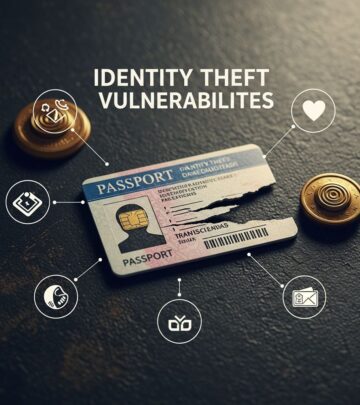
Data Breaches Exposed
Uncover the hidden dangers of data breaches, from common attack types to proven prevention strategies for safeguarding your personal information.

Data breaches represent one of the most pressing risks in today’s digital landscape, where sensitive personal and corporate information faces constant threats from cybercriminals. These incidents involve the unauthorized access, theft, or exposure of confidential data, often leading to identity theft, financial losses, and widespread disruption. Understanding the various forms of breaches is crucial for individuals and organizations aiming to bolster their defenses.
Defining Data Breaches and Their Rising Prevalence
A data breach occurs when personal or organizational data is compromised through unlawful acquisition, resulting in breaches of confidentiality, security, or integrity. This can stem from cyberattacks, accidental exposures, or internal mishandling. According to reports, human error contributes to 68% of such incidents, highlighting vulnerabilities beyond technical failures.
The frequency of these events has surged, with sectors like healthcare and finance bearing the brunt. For instance, ransomware attacks strike the US approximately every hour, encrypting vital data until ransoms are paid. Globally, millions are affected annually, underscoring the need for proactive measures.
Primary Categories of Data Breaches
Data breaches manifest in diverse ways, each exploiting specific weaknesses. Here’s a breakdown of the core types:
- Ransomware: Malicious software that locks files, demanding payment for decryption. Attackers often combine this with data exfiltration for double extortion.
- Phishing: Deceptive tactics tricking users into divulging credentials via emails, texts, or calls.
- Malware: Includes viruses, trojans, and spyware that infiltrate systems to steal or disrupt data.
- Human Error: Unintentional mistakes like misconfigured settings or wrong email recipients.
- Insider Threats: Actions by employees, either malicious or negligent, exposing data.
Ransomware: The Encryption Extortion Epidemic
Ransomware has evolved into a sophisticated threat, leveraging cryptovirology to encrypt victims’ data. Once infected, organizations face downtime and pressure to pay, but compliance issues persist even post-payment. The 2024 Change Healthcare attack exemplifies this: hackers stole 4TB of patient data from 190 million people alongside a $22 million ransom.
Prevention involves robust malware scanning, regular backups, and network segmentation. Companies should avoid paying ransoms, as it funds further attacks and offers no guarantee of data recovery.
Phishing and Social Engineering: Deception at Scale
Phishing remains the gateway for 68% of breaches, using fake communications to harvest credentials. Variants include spear phishing (targeted attacks) and smishing (SMS-based). Victims often click malicious links or attachments, granting attackers network access.
Dark web monitoring detects stolen credentials early, allowing password resets before exploitation. Multi-factor authentication (MFA) and employee training are vital defenses.
| Phishing Type | Description | Prevention |
|---|---|---|
| Email Phishing | Fake emails mimicking trusted sources | Email filters, verification |
| Spear Phishing | Personalized for individuals/groups | Awareness training |
| Vishing/Smishing | Voice or SMS deception | Do not share info unsolicited |
Malware Menaces: Beyond Basic Infections
Malware encompasses viruses, worms, trojans, spyware, and fileless variants that evade detection via obfuscation. Advanced persistent threats (APTs) use proxies and command controls for prolonged access.
Keyloggers record keystrokes to capture passwords, while adware pushes unwanted payloads. Mitigation requires endpoint protection, regular scans, and patch management.
Human Error and Insider Risks: The Internal Vulnerabilities
Internal threats account for many breaches. Unintentional errors include emailing sensitive files incorrectly or leaving cloud buckets public. Malicious insiders exploit access for gain.
Credential compromise via reused passwords or public repos amplifies risks. Training, least-privilege access, and activity monitoring curb these issues.
Advanced Attack Vectors: SQLi, MitM, and More
SQL injection (SQLi) exploits unsanitized inputs to query databases illicitly. The 2023 ResumeLooters campaign hit 65 sites, selling data on Telegram.
Man-in-the-Middle (MitM) intercepts traffic, common on fake Wi-Fi. Supply chain attacks, DDoS, and brute force round out threats. Encryption and input validation are key counters.
Real-World Impacts: Costs and Consequences
Breaches trigger financial hits (averaging millions), regulatory fines, and reputational damage. Identity theft surges post-breach, with stolen data fueling fraud. Notification laws mandate quick disclosures.
Healthcare’s Change Healthcare incident disrupted services nationwide, affecting payments and care.
Comprehensive Prevention Blueprint
To fortify against breaches:
- Implement MFA everywhere.
- Conduct regular security audits and patching.
- Train staff on phishing recognition.
- Encrypt data at rest and in transit.
- Monitor dark web for leaks.
- Maintain offline backups.
Zero-trust models and AI-driven threat detection enhance resilience.
Responding to a Breach: Step-by-Step Guide
- Isolate Affected Systems: Disconnect to limit spread.
- Assess Damage: Identify compromised data.
- Notify Authorities: Comply with laws like GDPR or state regs.
- Inform Affected Parties: Offer credit monitoring.
- Remediate: Patch vulnerabilities, change credentials.
- Review and Improve: Conduct post-mortem analysis.
FAQs on Data Breaches
What should I do if my data is breached?
Change passwords, enable MFA, monitor accounts, and freeze credit. Use identity theft protection services.
How common are data breaches?
Extremely; ransomware hits hourly in the US, with phishing in most cases.
Does paying ransomware help?
No; it encourages attacks and doesn’t guarantee data safety.
Can individuals prevent breaches?
Yes, via strong passwords, caution with emails, and dark web scans.
What laws govern breaches?
US states require notifications; EU’s GDPR mandates 72-hour reporting.
Future-Proofing Against Evolving Threats
As attacks grow sophisticated, AI defenses and quantum-resistant encryption loom large. Organizations must prioritize cybersecurity culture. Individuals benefit from vigilance and tools like password managers.
In summary, data breaches demand layered defenses. Stay informed, act swiftly, and protect proactively.
References
- Different Types of Data Breaches & How To Prevent Them — Fortra. 2024. https://www.fortra.com/blog/types-of-data-breaches
- 10 common types of data breaches that threaten your data security — NordLayer. 2024. https://nordlayer.com/blog/common-types-of-data-breaches/
- What Is a Data Breach? – Meaning, Prevention — Proofpoint US. 2024. https://www.proofpoint.com/us/threat-reference/data-breach
- Understanding the Different Core Types of Data Breaches — Auxis. 2024. https://www.auxis.com/learn/cybersecurity/types-of-data-breaches/
- Data Breaches — National Association of Attorneys General (.gov). 2024. https://www.naag.org/issues/consumer-protection/consumer-protection-101/privacy/data-breaches/
- What is a data breach and what do we have to do in case of a data breach — European Commission (.eu). 2024. https://commission.europa.eu/law/law-topic/data-protection/rules-business-and-organisations/obligations/what-data-breach-and-what-do-we-have-do-case-data-breach_en
Similar Articles








Read full bio of Sneha Tete