Dangers of Skipping Homeowners Insurance
Explore the severe financial, legal, and personal risks homeowners face without proper insurance coverage in today's volatile climate.
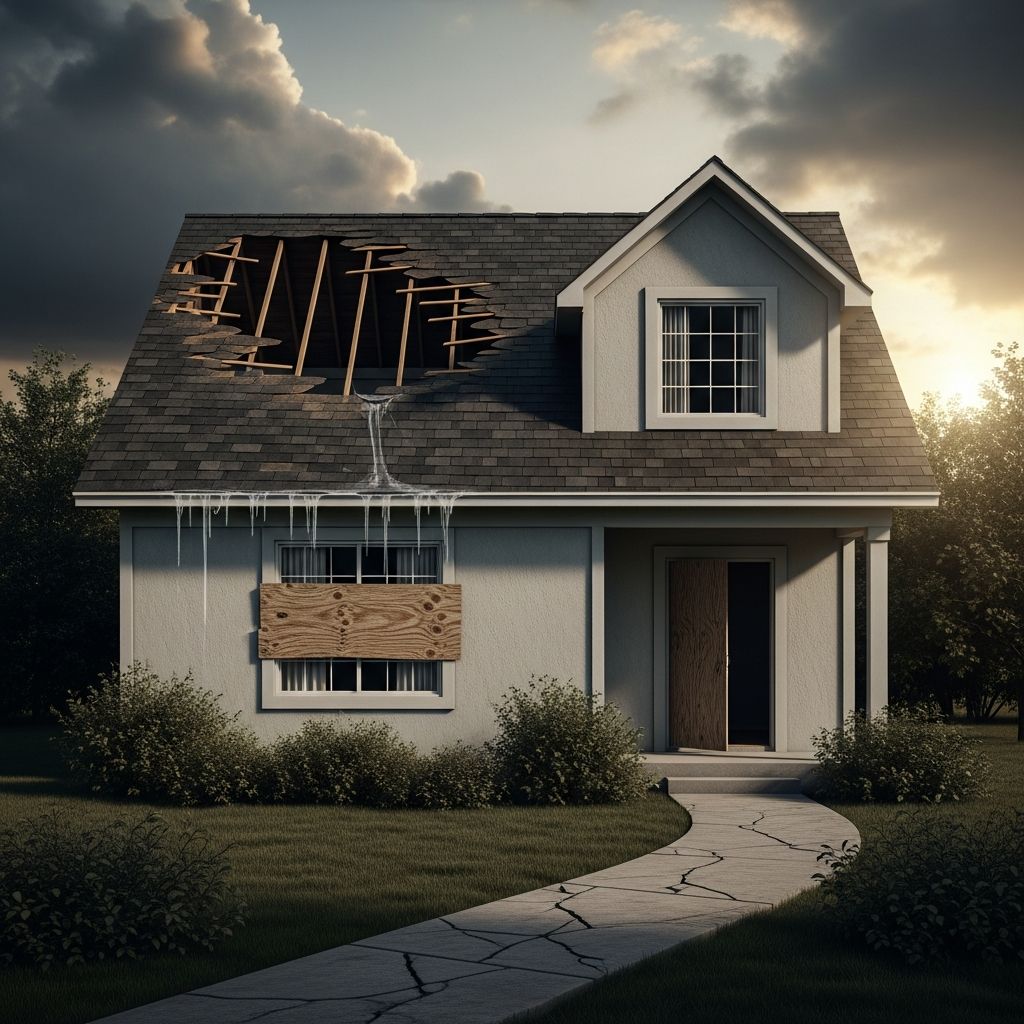
Opting out of homeowners insurance might seem like a way to cut costs, but it leaves property owners vulnerable to devastating financial and legal consequences. Without this essential protection, a single incident like a fire, storm, or injury on your property could wipe out your savings and future stability.
Financial Devastation from Property Damage
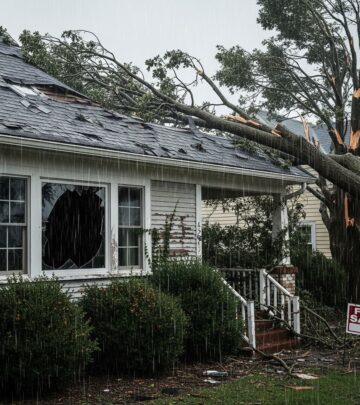
One of the most immediate threats is bearing the full cost of repairs or rebuilding after damage. Homes can suffer from fires, storms, or structural failures, with average repair bills easily exceeding tens of thousands of dollars. For instance, fire damage alone often requires complete reconstruction, costing homeowners hundreds of thousands without coverage.
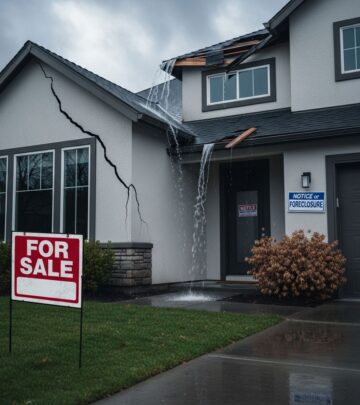
Consider water damage from burst pipes or leaks, which can spread quickly and lead to mold growth. These issues demand professional remediation, pushing expenses into five figures rapidly. Similarly, roof collapses from heavy snow or wind can total $20,000 or more, forcing uninsured owners into debt or foreclosure.
- Fire restoration: Often $50,000+ for moderate incidents.
- Storm-related roof repairs: $10,000–$30,000 depending on extent.
- Mold removal post-water event: $5,000–$15,000 average.
Without insurance, these outlays come directly from personal funds, potentially leading to bankruptcy. Even minor events accumulate, eroding financial security over time.
Legal Liabilities and Lawsuit Exposure
Homeowners face significant liability risks if someone is injured on their property. A guest slipping on icy steps or a child hurt by a falling tree branch could result in lawsuits for medical bills, lost wages, and pain and suffering. Defense costs alone average $25,000, with settlements reaching millions in severe cases.
Liability claims extend to incidents involving pets, such as dog bites, or damage caused by property features like unsecured fences. Courts hold owners responsible, and without insurance, you pay verdicts out-of-pocket. This exposure not only drains savings but can also tarnish credit through unpaid judgments.
| Risk Type | Potential Cost | Example Scenario |
|---|---|---|
| Slip-and-fall | $30,000–$100,000 | Visitor injured on walkway |
| Dog bite | $50,000+ | Neighbor’s child attacked |
| Tree damage to neighbor | $10,000–$50,000 | Branch falls on adjacent home |
Mortgage and Lender Enforcement Risks
Most mortgage lenders require homeowners insurance to protect their investment. Skipping it violates loan terms, prompting lenders to force-place coverage at exorbitant rates—often 2-3 times standard premiums. These fees add to your monthly payments and principal, inflating total loan costs significantly.
Failure to comply can lead to policy cancellation notices or even foreclosure proceedings. In high-risk areas, lenders scrutinize coverage more rigorously, refusing loans or refinancing without proof of insurance. This traps owners in unfavorable terms or prevents selling the property.
Uncovered Perils in a Changing Climate
Standard policies exclude floods, earthquakes, and certain weather events, but going uninsured amplifies these gaps. Climate change intensifies wildfires, hurricanes, and floods, with 2024 seeing 27 U.S. events over $1 billion each, totaling $182.7 billion in losses. Homeowners in vulnerable zones face total property loss without recourse.
Private insurers are retreating from high-risk regions like California due to wildfire claims and rising reinsurance costs. This leaves residents uninsured or reliant on costly state plans. Premiums have skyrocketed, but skipping coverage entirely exposes you to unmitigated disaster costs.
Impact on Credit and Future insurability
Claims history affects future premiums, but lacking insurance after a loss reports to databases like CLUE, marking you as high-risk. Unpaid repair debts or judgments harm credit scores, raising borrowing costs and limiting options. Multiple incidents without coverage can bar you from new policies altogether.
In climate-impacted areas, insurers drop or deny coverage, pushing homeowners into ‘insurers of last resort’ with inferior terms. This cycle perpetuates higher costs and reduced options.
Hidden Costs of Theft and Vandalism
Theft or break-ins strip valuables, with average losses around $2,500 per incident. Without personal property coverage, replacing electronics, jewelry, or furniture falls on you. High-value items like art exceed standard limits, demanding out-of-pocket replacements.
Vandalism repairs, such as graffiti or broken windows, add insult to injury, often $1,000–$5,000 per event.
Neglected Maintenance and Wear Risks
Insurance doesn’t cover neglect-induced damage like pest infestations or wear-and-tear. Termite damage or rodent-chewed wiring leads to costly fixes, potentially sparking fires. Routine maintenance avoidance compounds into major structural issues, unaffordable without coverage.
Business and Government-Related Losses
Home-based businesses lose income during disruptions without specialized coverage. Government actions, like eminent domain or infrastructure projects damaging your property, go uncovered, leaving you to seek compensation directly—often unsuccessfully.
Strategies to Mitigate Uninsured Risks
To avoid these pitfalls, shop for comprehensive policies with riders for floods or earthquakes. Bundle with auto insurance for discounts, maintain a claims-free record, and fortify your home against disasters. Consult agents before incidents to weigh filing claims, as they can hike premiums or risk non-renewal.
FAQs
Can I live without homeowners insurance if I own my home outright?
No recommendation—lenders may not require it, but risks remain. A single event could still bankrupt you.
What happens if a neighbor’s tree falls on my uninsured house?
You’re liable for all repairs; their insurance might cover it partially, but not guaranteed.
Are flood damages ever covered without extra policies?
Rarely—standard policies exclude floods; NFIP or private flood insurance is needed.
How does climate change affect my insurance options?
Increasingly, insurers exit high-risk areas, raising premiums or forcing state plans.
Will small claims affect future rates even if insured?
Yes, water, fire, or liability claims often increase premiums for 3-5 years.
References
- Climate change is upending homeowners insurance nationwide — Harvard Business School. 2024. https://www.hbs.edu/bigs/climate-change-upending-homeowners-insurance
- Climate Change, Disaster Risk, and Homeowner’s Insurance — Congressional Budget Office. 2023-12-07. https://www.cbo.gov/publication/60674
- Here Are the Surprising Risks Your Homeowners Insurance May Not Cover — Money.com. N/A. https://money.com/what-homeowners-insurance-doesnt-cover/
- How Do Claims Affect Your Homeowner’s Insurance? — Integris Wealth. N/A. https://integriswealth.com/how-do-claims-affect-your-homeowners-insurance/
- 4 ways climate change is impacting home insurance — Environmental Defense Fund. N/A. https://www.edf.org/how-climate-change-impacting-home-insurance
Similar Articles








Read full bio of medha deb