Daily Bank Checks: Safeguard Your Finances
Discover why logging into your bank account daily protects against fraud, cuts fees, and sharpens your money management skills for lasting financial security.

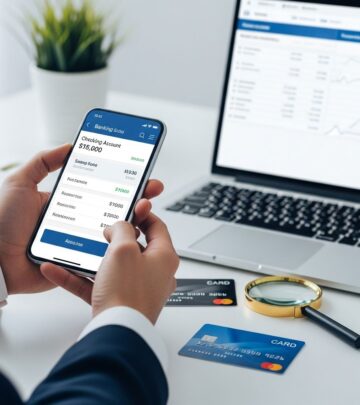
In an age where digital transactions happen in seconds, keeping a close eye on your bank account has never been more important. Simple daily logins can reveal hidden issues before they escalate, ensuring your hard-earned money remains secure and working for you. This practice not only prevents financial pitfalls but also empowers you to make informed decisions about your cash flow.
The Hidden Risks of Ignoring Your Account
Many people treat their bank accounts like set-it-and-forget-it tools, only checking balances during monthly statement reviews. However, this approach leaves room for errors, unauthorized activities, and unnecessary expenses to pile up unnoticed. With cyber threats on the rise and banking fees adding up quickly, passive oversight can lead to significant losses. Regular checks act as your first line of defense, catching problems early when they’re easiest to fix.
Consider how quickly issues can arise: a forgotten subscription renews, an ATM error doubles your withdrawal, or a scammer tests your account with small charges. Daily vigilance turns potential disasters into minor adjustments, preserving your financial health.
Key Benefits of Daily Account Reviews
Making a habit of checking your bank account each day yields multiple advantages. Below, we explore the primary gains, supported by real-world insights and data.
1. Sidestep Costly Overdraft and Maintenance Fees
Overdraft fees remain a major drain on American households. In 2019, U.S. banks collected nearly $15.5 billion in overdraft and insufficient funds fees, highlighting the scale of the problem. By glancing at your balance daily, you can spot when funds are dipping low and transfer money from savings or another account in time.
This proactive step avoids penalties that often exceed $30 per incident. Many banks also impose monthly maintenance fees if balances fall below minimum thresholds. Daily monitoring ensures you stay compliant, potentially saving hundreds annually. For those living paycheck to paycheck, this habit is indispensable.
| Fee Type | Average Cost | Annual Impact (Multiple Incidents) |
|---|---|---|
| Overdraft Fee | $30–$35 | $360+ |
| NSF Fee | $25–$35 | $300+ |
| Monthly Maintenance | $5–$25 | $60–$300 |
2. Detect Fraudulent Activity Swiftly
Fraudsters often start with tiny, testing transactions to validate stolen credentials before larger thefts. Spotting these early limits damage. Federal regulations under the Electronic Fund Transfer Act cap your liability: report within two business days, and you’re liable for up to $50; within 60 days, up to $500; beyond that, potentially all losses.
Daily checks enable immediate reporting, often freezing accounts and reversing charges at no cost. Banks like Chase recommend reviewing activity every few days, but daily is optimal for high-risk users. Businesses face even tighter ‘next-day’ dispute windows, underscoring urgency for all.
- Look for unfamiliar merchants or odd locations.
- Verify recurring charges you don’t recognize.
- Watch for small ‘test’ withdrawals under $10.
3. Confirm All Deposits and Transactions
Expected deposits—like paychecks, refunds, or transfers—should post promptly. Daily views let you flag delays, such as a missing tax refund, prompting quick bank inquiries. Similarly, scrutinize withdrawals: an ATM pull of $100 shouldn’t show as $1,000 due to entry errors.
Monthly statements are retrospective; daily habits catch discrepancies in real-time, preventing overdrafts from posting errors. Mechanics Bank emphasizes verifying each transaction to uncover duplicates or forgotten auto-payments.
4. Master Your Spending Patterns
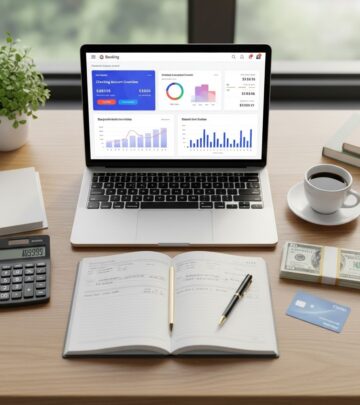
Daily balance checks reveal spending trends instantly. Notice frequent coffee runs adding up? Or dining out eclipsing your entertainment budget? This awareness breaks poor habits before they derail your month.
It also tracks progress toward goals, like saving for a vacation. Seeing balances grow motivates consistency. PNC Insights notes weekly checks as a baseline, but daily builds sharper intuition. Pair with budgeting apps for categorized insights.
5. Unlock Opportunities to Grow Your Money
Surplus cash sitting idle earns nothing. Spotting extra funds daily inspires action: shift to high-yield savings (current APYs around 4–5%) or investments. This compounds over time, turning idle dollars into meaningful growth.
For example, $1,000 moved to a 5% APY account earns $50 yearly versus zero in checking. Daily habits ensure you never miss these shifts.
Practical Strategies for Daily Monitoring
Incorporating checks into your routine is straightforward with modern tools.
- Set Automated Alerts: Most banks notify via app or email for low balances, large transactions, or deposits.
- Use Mobile Apps: Log in during coffee breaks; apps like Southern Bank’s sync external accounts for holistic views.
- Schedule Reminders: Morning or evening alarms build the habit without effort.
- Review Transactions Deeply: Don’t just note balance—scan merchant names and amounts.
- Link to Budget Tools: Apps like Mint or YNAB import data for visual spending maps.
Start small: commit to three checks weekly, scaling to daily. Personal anecdotes, like one advisor’s routine, show it reduces spending surprises.
Frequently Asked Questions (FAQs)
How often should I really check my bank account?
Daily is ideal for security and control, though 2–3 times weekly suffices for low-activity users. Adjust based on transaction volume.
What if I spot suspicious activity?
Contact your bank immediately via app, phone, or chat. Quick action minimizes liability.
Does daily checking affect my credit score?
No, viewing your own accounts has no credit impact. Only hard inquiries do.
Are there risks to frequent logins?
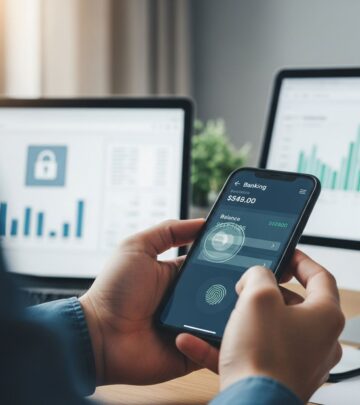
Minimal with strong passwords, 2FA, and secure devices. Banks monitor for unusual access too.
Can I automate everything?
Alerts handle much, but manual reviews catch nuances like fraud patterns.
Long-Term Financial Wins from Daily Habits
Beyond immediate protection, daily checks foster discipline. Over months, you’ll refine budgets, eliminate waste, and align spending with priorities. This leads to emergency funds, debt reduction, and wealth building.
Financial wellness studies link active monitoring to lower stress and better outcomes. In a volatile economy, this habit is your edge—simple, free, and powerful.
References
- 5 Reasons to Check Your Bank Account Every Day — Experian. 2023-05-15. https://www.experian.com/blogs/ask-experian/reasons-to-check-bank-account-every-day/
- How Often Should You Be Checking Your Bank Accounts? — Chambers Bank. 2024-02-10. https://www.chambers.bank/about-us/blog/how-often-should-you-be-checking-your-bank-accounts
- How Often Should You Be Checking Your Accounts? — Southern Bank. 2023-11-20. https://www.bankwithsouthern.com/news/how-often-should-you-be-checking-your-accounts/
- Stay in Control: Why Monitoring Your Bank Accounts is So Important — Mechanics Bank. 2024-01-05. https://www.mymechanics.com/stay-in-control-why-monitoring-your-bank-accounts-is-so-important/
- How Often Should You Check Your Bank Statement? — Chase. 2023-09-12. https://www.chase.com/personal/banking/education/basics/monitoring-bank-statement
Similar Articles








Read full bio of medha deb