Cyclical Stocks: Guide To Timing, Risks, And Strategies
Unlock the potential of cyclical stocks: thrive in booms, navigate busts, and build a resilient portfolio strategy.
Cyclical stocks are shares of companies whose performance closely mirrors the broader economy’s ups and downs. These investments shine during periods of growth when consumer spending surges but can plummet in recessions as demand for non-essential goods wanes.
Understanding Economic Cycles and Stock Sensitivity
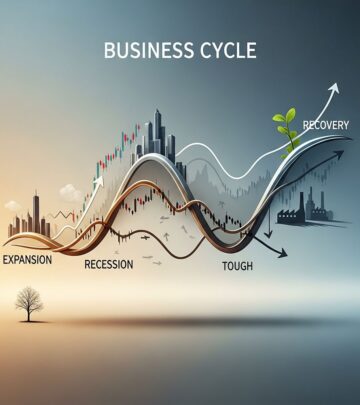
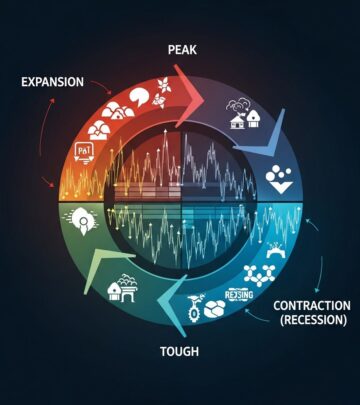
The economy moves through distinct phases: expansion, peak, contraction, and trough. During expansions, businesses expand, unemployment drops, and disposable income rises, boosting demand for luxury and discretionary items. Cyclical stocks capitalize on this momentum, often delivering outsized gains. In contrast, contractions see reduced spending, hitting these stocks hard.
Investors track indicators like GDP growth, unemployment rates, consumer confidence indexes, and interest rates to gauge the cycle’s stage. For instance, rising GDP signals a favorable environment for cyclicals, while spiking unemployment warns of trouble ahead.
Key Characteristics of Cyclical Investments
Cyclical stocks exhibit high volatility and elevated beta values, typically above 1.0, indicating greater sensitivity to market movements. They thrive on discretionary spending—purchases like vacations or new cars that consumers delay during tough times. This reliance on ‘wants’ rather than ‘needs’ defines their boom-bust nature.
- High Beta: Amplifies market trends, leading to sharp rises and falls.
- Revenue Volatility: Earnings swing with economic output.
- Growth Potential: Explosive upside in recoveries.
- Risk Exposure: Vulnerable to recessions and policy shifts.
Major Sectors Dominated by Cyclical Stocks
Certain industries are inherently cyclical due to their dependence on economic health. Here’s a breakdown:
| Sector | Description | Why Cyclical? |
|---|---|---|
| Consumer Discretionary | Retailers, apparel, luxury brands | Spending on non-essentials surges in good times. |
| Automotive | Car manufacturers, parts suppliers | Big-ticket purchases drop in downturns. |
| Airlines & Travel | Air carriers, hotels, cruise lines | Leisure travel is first to be cut. |
| Industrials | Machinery, construction equipment | Business investment halts in slowdowns. |
| Homebuilding | Housing developers, materials | Home sales tie to confidence and rates. |
These sectors represent prime opportunities but demand timing awareness.
Real-World Examples of Cyclical Performers
Prominent companies illustrate cyclical behavior. Automotive giants like Ford or Tesla see sales boom with low rates and high confidence but suffer in high-inflation environments. Airlines such as Delta Airlines experience revenue spikes during travel rebounds post-recession. Luxury players like LVMH thrive on affluent spending sprees.
- Tesla (TSLA): Electric vehicles as aspirational buys.
- Delta Air Lines (DAL): Passenger miles correlate with GDP.
- Home Depot (HD): Home improvement peaks in housing booms.
- Caterpillar (CAT): Heavy machinery for infrastructure surges.
Historical charts show these stocks lagging recoveries but leading expansions.
Cyclical vs. Non-Cyclical: A Strategic Comparison
Non-cyclical (defensive) stocks provide essentials like food, utilities, and healthcare, offering stability. Cyclicals chase growth; defensives preserve capital.
| Aspect | Cyclical Stocks | Non-Cyclical Stocks |
|---|---|---|
| Performance in Booms | High growth | Moderate, steady |
| Performance in Recessions | Sharp declines | Resilient, dividends |
| Risk Level | High volatility | Low beta |
| Portfolio Role | Growth engine | Stability anchor |
Balancing both creates diversified portfolios resilient across cycles.
Risks and Challenges in Cyclical Investing
While rewarding, cyclicals carry pitfalls. Timing the cycle is notoriously difficult—markets can remain irrational longer than expected. Overvaluation during late expansions leads to corrections. External shocks like pandemics or geopolitical events amplify downturns. High debt levels in cyclical firms exacerbate issues during credit crunches.
- Mispricing due to sentiment over fundamentals.
- Interest rate sensitivity: hikes crush leveraged sectors.
- Liquidity risks in prolonged slumps.
Mitigate with stop-losses and cycle indicators.
Strategic Approaches to Investing in Cyclicals
Success hinges on phase-appropriate tactics. In early recovery, ramp up exposure as data improves. Rotate out late-cycle into defensives. Use ETFs like Consumer Discretionary Select Sector SPDR (XLY) for broad access. Dollar-cost averaging smooths volatility.
- Monitor Macros: Track PMI, retail sales.
- Diversify: Mix with bonds, defensives.
- Long-Term View: Hold through minor dips for big upswings.
- Hedge: Options or inverse ETFs.
Active management outperforms buy-and-hold for cyclicals.
Building a Cycle-Responsive Portfolio
Aim for 20-40% cyclical allocation, adjusted by conviction. Pair with 30% defensives, 20% bonds, and growth stocks. Rebalance quarterly based on cycle signals. Stress-test via backtesting tools.
For beginners, start small with sector funds. Seasoned investors might pick individual names post-earnings beats signaling turnarounds.
Frequently Asked Questions (FAQs)
What makes a stock cyclical?
It ties to discretionary spending and economic expansion, rising in booms and falling in busts.
Are tech stocks cyclical?
Many are, especially consumer-facing like Amazon, due to gadget and service demand fluctuations.
How do I time cyclical investments?
Watch leading indicators like yield curves and consumer sentiment; avoid chasing peaks.
Can cyclicals outperform in all expansions?
No, early-cycle industrials lead, while late-cycle tech may shine variably.
Are cyclical stocks good for retirement?
In moderation, yes—for growth—but pair with defensives for stability.
Advanced Tactics for Seasoned Investors
Leverage relative strength analysis to spot outperformers within sectors. Factor rotation strategies shift assets dynamically. Options overlays like covered calls generate income during sideways markets. Global cyclicals, such as European autos, add diversification amid U.S. slowdowns.
Quantitative screens filter high-beta names with strong balance sheets. Machine learning models now predict cycle turns using vast datasets, though no tool is foolproof.
Historical Performance Insights
Post-2008 recovery, cyclicals like autos returned 300%+ by 2019 peak. 2020 crash saw 50% drops, but 2021 rebound delivered 100% gains. Long-term, they lag defensives in drawdowns but boost compound returns.
Since 1950, cyclical-heavy portfolios annualized 10-12% vs. 8% for defensives, per sector data.
References
- Cyclical Stocks | Overview, Uses & Examples — Study.com. 2023. https://study.com/learn/lesson/cyclical-stocks-overview-examples.html
- Cyclical Stocks – Definition, Role, Risks, How To Invest — Corporate Finance Institute. 2024-01-15. https://corporatefinanceinstitute.com/resources/equities/cyclical-stocks/
- Cyclical stocks: what are they and why you should care — Saxo Bank. 2024. https://www.home.saxo/learn/guides/equities/cyclical-stocks-what-are-they-and-why-you-should-care
- What Are Cyclical Stocks? Sectors, Risks, and How to Invest — Gotrade. 2024-02-20. https://heygotrade.com/en/blog/what-are-cyclical-stocks
- Understanding Cyclical vs. Non-Cyclical Stocks — SmartAsset. 2023-11-10. https://smartasset.com/investing/cyclical-vs-noncyclical-stocks
- Cyclical Stocks | Definition + Examples — Wall Street Prep. 2024. https://www.wallstreetprep.com/knowledge/cyclical-stocks/
Similar Articles








Read full bio of Sneha Tete