Cybersecurity Essentials 2026
Master the vital strategies and threats shaping cybersecurity in 2026 to safeguard your digital world effectively.
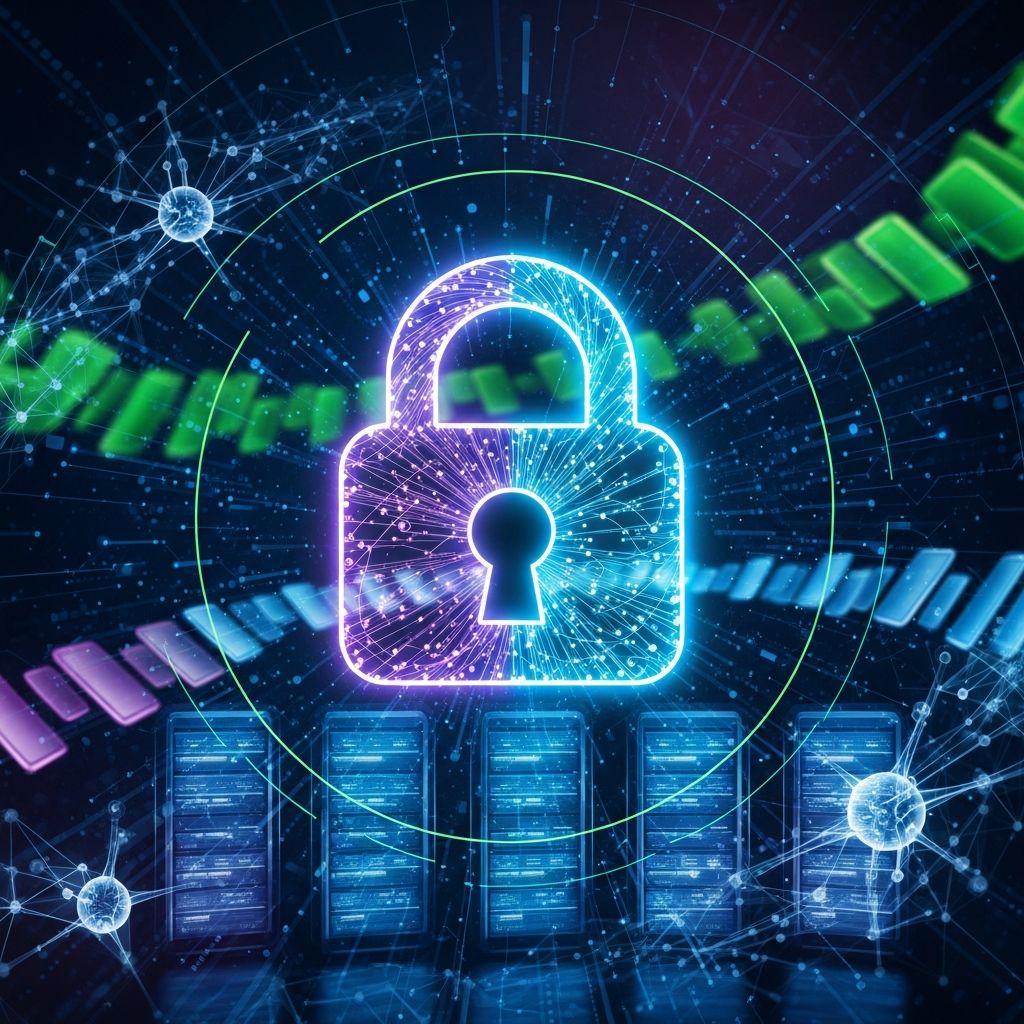
In 2026, the cybersecurity landscape has evolved dramatically, with artificial intelligence powering both sophisticated attacks and advanced defenses. Organizations face heightened risks from AI-driven malware, supply chain vulnerabilities, and cognitive manipulation tactics. This comprehensive guide outlines the predominant threats, proven prevention methods, and actionable steps to fortify your defenses against these challenges.
Emerging Threats Dominating 2026
Cyber adversaries are leveraging cutting-edge technologies to exploit weaknesses across networks, devices, and human behaviors. Phishing remains prevalent, but ransomware, AI-enhanced malware, and supply chain compromises have surged, demanding proactive measures.
- AI-Driven Malware: These semi-autonomous threats adapt in real-time, evading traditional detection by mimicking legitimate processes.
- Ransomware Evolution: Attacks now target cloud environments and operational technology, causing widespread disruptions.
- Supply Chain Attacks: Compromised third-party software introduces hidden backdoors into trusted systems.
- Cognitive and Social Engineering: Deepfakes and AI impersonations manipulate users through voice, video, and personalized phishing.
Layered threats span cloud platforms, mobile endpoints, IoT devices, and even quantum computing risks, necessitating holistic visibility and response capabilities.
Core Prevention Strategies for Resilience
Effective defense in 2026 hinges on integrating technology, processes, and people. Shift from reactive patching to intelligence-driven operations that anticipate and neutralize risks.
| Strategy | Description | Key Benefits |
|---|---|---|
| Zero Trust Architecture | Verify every access request regardless of origin, using micro-segmentation and continuous authentication. | Reduces lateral movement; mandates in many regulations. |
| Continuous Monitoring | Employ SIEM, NDR, and SOAR for real-time anomaly detection across hybrid environments. | Automates threat hunting; integrates AI for faster response. |
| AI-Powered Defenses | Deploy behavioral analytics and adaptive models to counter AI threats. | Matches attacker sophistication; enables predictive blocking. |
| Supply Chain Security | Mandate SBOMs and runtime protections for third-party integrations. | Enhances transparency; prevents cascade failures. |
These strategies align with the five C’s of cybersecurity: change adaptation, compliance, cost efficiency, continuity, and comprehensive coverage.
Building a Robust Human Defense Layer
Technology alone cannot thwart attacks that prey on human error, which contributes to 36% of breaches. Comprehensive training transforms employees into vigilant sentinels.
- Conduct regular phishing simulations to reduce click rates by up to 86%.
- Promote media literacy to detect deepfakes and impersonations.
- Enforce acceptable use policies (AUP) covering personal devices and email habits.
- Address insider threats through privilege monitoring and burnout prevention.
Integrate cross-disciplinary efforts, including collaboration with legal, compliance, and executive teams, to foster a security-first culture.
Essential Policies for Organizational Security
A structured policy framework minimizes risks in hybrid and remote work settings. Here’s a prioritized checklist tailored for 2026.
- Password and MFA Policy: Enforce complex, unique passwords with phishing-resistant multi-factor authentication (MFA) across all accounts.
- Remote Work and BYOD Guidelines: Require VPNs, device encryption, and restrictions on public Wi-Fi for sensitive tasks.
- Incident Response Plan: Define roles, communication protocols, and recovery steps; test quarterly to ensure rapid containment.
- Antivirus and Endpoint Protection: Install reputable tools with daily updates and behavioral scanning on all devices.
- Data Privacy Integration: Embed privacy-by-design in operations, prioritizing visibility and consent management.
- Quantum Readiness: Assess cryptographic agility for long-term data protection against future quantum threats.
- Access Control: Implement least-privilege principles with contextual verification.
- Network Security: Deploy firewalls, intrusion detection, and secure configurations.
Regular audits and compliance checks ensure these policies evolve with threats and regulations.
Navigating Cloud and AI Governance
Cloud-native architectures dominate, requiring continuous authentication and telemetry-rich monitoring. AI governance emerges as critical, balancing innovation with risk.
Key steps include:
- Improving cloud visibility through identity monitoring.
- Feeding high-quality data into AI security systems for autonomous improvements.
- Aligning with frameworks like NIST Cybersecurity Framework 2.0 for regulatory resilience.
Geopolitical factors influence 64% of risk strategies, urging organizations to incorporate global intelligence.
Future-Proofing Against Quantum and Beyond
Quantum computing looms, threatening current encryption. Begin transitioning to post-quantum cryptography, mandated for federal systems by 2035.
Additionally, prepare for intelligent automation shortages by leveraging AI tools that augment human teams, addressing skills gaps while maintaining oversight.
Cybersecurity Checklist for 2026
Use this quick-reference table to assess your readiness.
| Area | Action Items | Status Check |
|---|---|---|
| Threat Detection | Implement SIEM/SOAR; enable AI behavioral analysis | ☐ Implemented ☐ In Progress ☐ Planned |
| Employee Training | Phishing sims; deepfake awareness | ☐ Implemented ☐ In Progress ☐ Planned |
| Zero Trust | Micro-segmentation; continuous verification | ☐ Implemented ☐ In Progress ☐ Planned |
| Incident Response | Tested plan; recovery metrics | ☐ Implemented ☐ In Progress ☐ Planned |
| Supply Chain | SBOM adoption; vendor audits | ☐ Implemented ☐ In Progress ☐ Planned |
Frequently Asked Questions (FAQs)
What is Zero Trust Security?
Zero Trust assumes no entity is trustworthy by default, requiring continuous verification for all access.
How can I protect against AI-malware?
Use real-time behavioral monitoring, adaptive AI defenses, and Zero Trust principles.
Why is employee training crucial in 2026?
Human errors cause many breaches; training reduces phishing success dramatically.
What role does cloud security play?
Continuous monitoring in cloud-native setups prevents exploitation in hybrid environments.
How to prepare for quantum threats?
Evaluate cryptographic agility and plan migrations to quantum-resistant algorithms.
References
- The Top Cybersecurity Threats in 2026 & How to Prevent Them — Prime Secured. 2026. https://primesecured.com/top-cybersecurity-threats-2026-and-prevention/
- Cyber Security Best Practices for 2026 — SentinelOne. 2026. https://www.sentinelone.com/cybersecurity-101/cybersecurity/cyber-security-best-practices/
- The 6 Cybersecurity Trends That Will Shape 2026 — ISACA. 2026. https://www.isaca.org/resources/news-and-trends/industry-news/2026/the-6-cybersecurity-trends-that-will-shape-2026
- Your 2026 Cybersecurity Checklist — TPx. 2026. https://www.tpx.com/blog/your-2026-cybersecurity-checklist/
- US Cyber Strategy 2026: Preventing Cyber Attacks — Everfox. 2026. https://www.everfox.com/blog/cross-domain-solutions/us-cyber-strategy-2026-preventing-cyber-attacks
- White House Announces The 2026 Cyber Strategy For America — Forrester. 2026. https://www.forrester.com/blogs/white-house-announces-the-2026-cyber-strategy-for-america/
- Global Cybersecurity Outlook 2026 — World Economic Forum. 2026. https://reports.weforum.org/docs/WEF_Global_Cybersecurity_Outlook_2026.pdf
Similar Articles








Read full bio of Sneha Tete