Cut Heating Costs This Winter: Save 20-30% With Simple Changes
Discover proven strategies to slash your winter heating bills by up to 30% without sacrificing comfort through smart adjustments and efficiency upgrades.
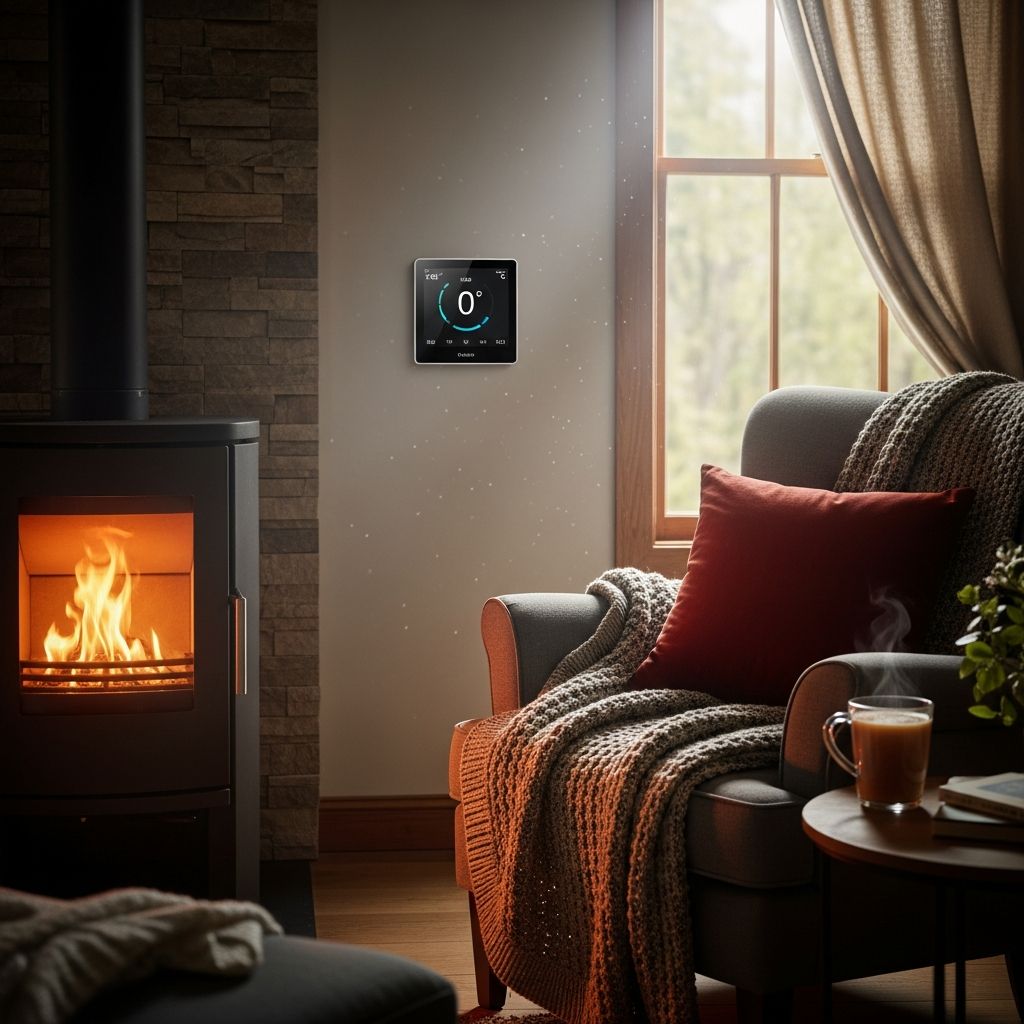
Winter heating expenses can strain household budgets, often accounting for nearly 30% of total utility bills according to the U.S. Department of Energy. With rising energy prices, simple changes to daily habits and home features can reduce these costs by 20-30% without compromising comfort. This guide explores actionable strategies, from immediate no-cost adjustments to longer-term investments backed by rebates and tax incentives.
Master Your Thermostat for Instant Savings
The thermostat serves as the control center for your heating system. Lowering it by 7-10 degrees for 8 hours daily, such as overnight or when away, yields up to 10% annual savings on heating. Experts recommend maintaining 68 degrees Fahrenheit when home and active, dropping lower during sleep or absence to ease the load on your furnace or boiler.
Upgrade to a smart or programmable thermostat for automation. ENERGY STAR certified models cut heating and cooling bills by over 8%, averaging $50 yearly savings, and up to $100 in unoccupied homes. Utilities like Duke Energy offer $150 enrollment bonuses plus $50 annual credits for programs allowing remote adjustments during peak demand. Caroline Fountain from Duke Energy notes that aligning indoor temperatures closer to outdoor conditions reduces strain on heating units and wallets alike.
- Set back thermostat 7-10°F for 8 hours daily: 10% savings.
- Target 68°F when home: Balance comfort and efficiency.
- Install smart thermostat: 8%+ bill reduction, potential rebates.
Seal Drafts to Trap Warmth Inside
Air leaks around windows, doors, and outlets allow up to 20% of heated air to escape. Sealing these with caulk, weatherstripping, and door sweeps—often under $30—can cut energy use by 10-20%. Todd Berreman from CenterPoint Energy emphasizes that warm air naturally seeks escape routes, making these fixes essential.
Inspect frames, sills, and electrical outlets. Foam sleeves on pipes near exterior walls prevent heat loss and freezing risks, saving up to $80 annually. For basements and attics, battening down gaps addresses major leak sources. ENERGY STAR qualified windows, if replacing old ones, save an average 12% on bills.
| Leak Source | Fix | Estimated Savings |
|---|---|---|
| Windows/Doors | Caulk & Weatherstripping | 10-20% |
| Pipes | Foam Sleeves | $80/year |
| Outlets/Baseboards | Sealant Tape | 5-10% |
Boost Insulation for Lasting Efficiency
Adequate insulation minimizes heat loss, particularly in attics, walls, and floors. The Department of Energy estimates proper weatherization saves about 30% on energy bills while cutting emissions. Adding insulation to underinsulated attics or basements reduces HVAC workload significantly.
Focus on hot-water systems too: Lower heater temperature to 120°F or less, as it consumes nearly 20% of home energy. Insulation blankets ($30) around tanks make them work less. Low-flow showerheads further conserve heated water energy; some utilities provide them free.
Zone heating heats only occupied areas: Close vents in unused rooms and use space heaters safely for targeted warmth. Layered bedding creates insulating air pockets, allowing lower whole-home temperatures.
Optimize Water Heating Habits
Water heating often rivals space heating in cost. Set thermostats to 120°F maximum. Insulate pipes and tanks to retain heat. Shorten showers and fix leaks—dripping faucets waste 20 gallons daily, amplifying heating needs.
- Insulate tank: Reduces workload.
- Low-flow showerhead: Quick payback.
- 120°F setting: Balances safety and savings.
Upgrade Systems with Rebate Support
High-efficiency upgrades deliver the biggest returns. Heat pumps, replacing old furnaces, cut bills dramatically as heating/cooling comprises 70% of energy use. The Inflation Reduction Act offers up to $3,200 in tax credits: $2,000 for heat pumps, $1,200 for insulation through 2032, and 30% for solar.
State programs like Mass Save or ConEd rebates cover up to 75% of HVAC costs. Schedule annual maintenance or energy audits to ensure peak performance—neglected systems waste energy. ENERGY STAR windows and tankless water heaters qualify for incentives.
Behavioral Changes for Extra Savings
Delay turning on heat as long as possible; each postponed day saves money. Dress in layers—fleece, wool, slippers—and use blankets. Heat only used spaces, avoiding full-home distribution.
Combine strategies: Thermostat tweaks + sealing + insulation compound savings beyond individual efforts.
Frequently Asked Questions
How much can I save by lowering my thermostat?
Up to 10% annually by setting back 7-10°F for 8 hours daily.
Are smart thermostats worth it?
Yes, they save 8%+ on bills with automation and rebates.
What if I can’t afford big upgrades?
Start with no-cost seals and habits for 10-20% reductions.
Do rebates apply everywhere?
Check local utilities and federal IRA programs; many offer incentives.
Is zone heating safe?
Yes, with ENERGY STAR heaters in occupied rooms only.
Track and Maintain Your Progress
Monitor bills monthly to measure improvements. Annual furnace tune-ups prevent efficiency drops. Combine low-cost fixes with incentives for maximum impact—households report 20-30% reductions. These steps not only lower costs but promote sustainability.
References
- How to Cut Costs, Lower Your Heating Bill This Winter — AARP. 2023. https://www.aarp.org/money/personal-finance/lower-heating-bills/
- Four Uncommon (But Highly Impactful) ways to lower your energy bills — Tetra. 2024. https://www.tetra.com/blog/four-uncommon-but-highly-impactful-ways-to-lower-your-energy-bills
- How to Cut Home Heating Costs This Winter — Consumer Reports. 2023. https://www.consumerreports.org/home-garden/energy-efficiency/how-to-cut-home-heating-costs-this-winter-a2699461742/
- Low- to No-Cost Tips for Saving Energy at Home — ENERGY STAR (EPA). 2024. https://www.energystar.gov/products/recent_program_updates/low-no-cost-tips
- Lower Heating Bills: Efficiency Tips for 7 Things in Your Home — CenterPoint Energy. 2024. https://www.centerpointenergy.com/en-us/HSP/Pages/HSP-Experts/Lower-Heating-Bills-7-Ways.aspx?sa=MN&au=res
Similar Articles








Read full bio of Sneha Tete