Cut Gas Costs Now: Proven 2026 Strategies
Discover practical ways to slash fuel expenses in 2026 through smarter driving, vehicle choices, and daily habits that deliver real savings.
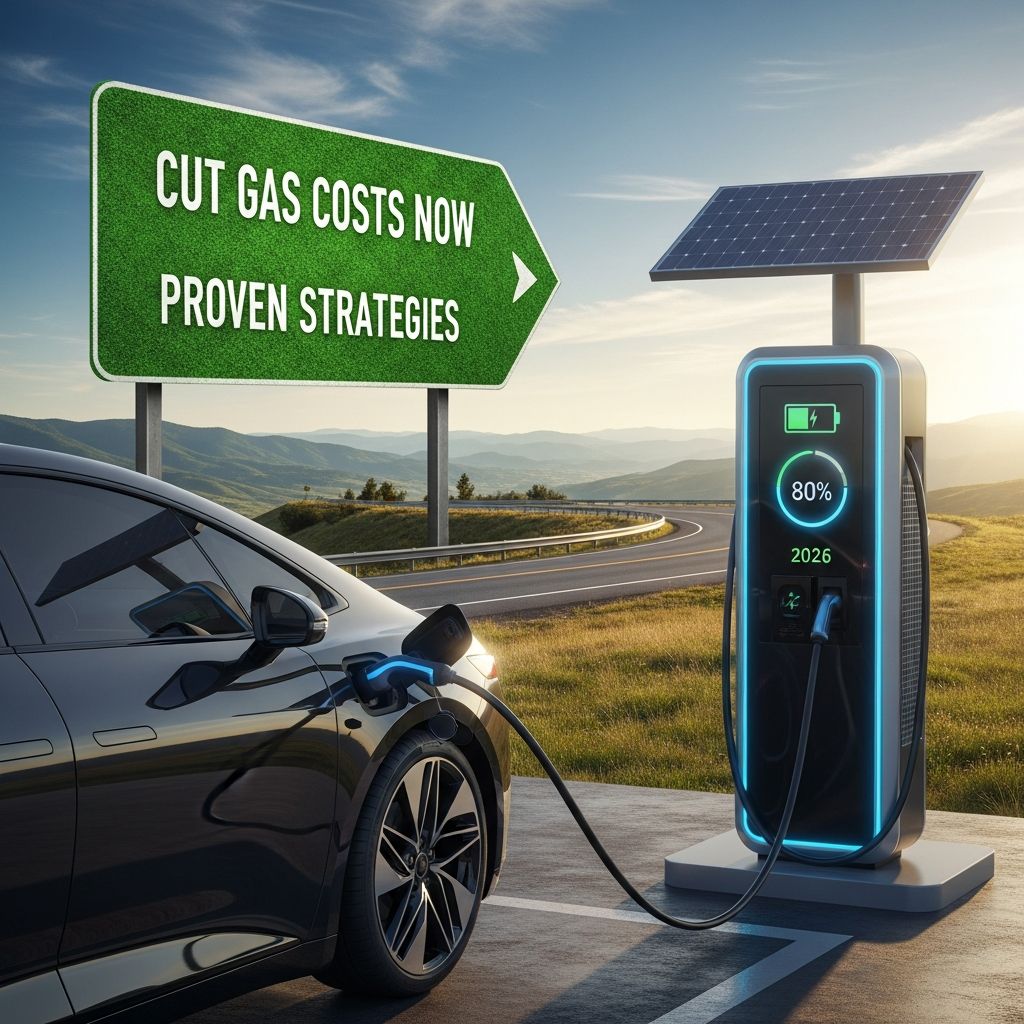
Gas prices fluctuate due to global oil markets, local supply chains, and seasonal demand, making consistent savings challenging for drivers. In 2026, with potential price dips forecasted, proactive steps like refining driving habits and exploring vehicle alternatives can still yield substantial reductions in fuel expenses, potentially saving hundreds or thousands yearly depending on mileage.
Master Your Driving Style for Instant Efficiency Gains
Adopting smoother driving techniques directly lowers fuel consumption without requiring vehicle modifications. Gradual acceleration preserves momentum and cuts engine strain, boosting miles per gallon by up to 10-40% according to efficiency studies.
- Gentle Acceleration: Ease onto the gas pedal instead of flooring it to avoid wasting fuel on rapid speed-ups.
- Anticipate Braking: Lift off the accelerator early to coast, reducing the need for hard stops that burn extra gas.
- Cruise Control Mastery: Engage it on highways to hold steady speeds, minimizing fluctuations that spike consumption.
These habits compound over long drives; for commuters logging 30,000 miles annually, they translate to noticeable monthly savings at the pump.
Optimize Vehicle Maintenance Routines
Regular upkeep ensures your engine runs at peak efficiency. Underinflated tires increase rolling resistance, forcing the engine to work harder and dropping fuel economy by several percent.
| Maintenance Task | Frequency | Expected Savings |
|---|---|---|
| Tire Pressure Check | Monthly | 3-5% better MPG |
| Oil Changes | Every 5,000 miles | 1-2% efficiency boost |
| Air Filter Replacement | Twice yearly | Up to 10% MPG gain |
| Spark Plug Inspection | Annually | Smooth combustion, 2-4% savings |
Maintaining proper inflation, especially as temperatures shift, prevents drag. Clean air filters allow optimal air-fuel mixtures, while fresh oil reduces internal friction.
Lighten Your Load and Streamline Aerodynamics
Excess weight and wind resistance silently erode efficiency. Removing 100 pounds from your vehicle can improve MPG by 1-2%, with greater impacts at highway speeds.
- Declutter the trunk: Ditch unused gear, tools, or bulk water cases.
- Ditch roof accessories: Empty racks or carriers cut drag by up to 25% on freeways.
- Minimize AC use: At speeds over 50 mph, open windows drag less than the compressor load.
For frequent haulers or outdoor enthusiasts, these tweaks add up quickly during peak travel seasons.
Strategic Trip Planning to Minimize Miles
Fewer engine starts and shorter total distances mean less fuel burned. Combining errands into one outing avoids multiple cold starts, which guzzle disproportionate gas.
- Batch Activities: Grocery shop alongside banking or dry cleaning in a single loop.
- Avoid Peak Traffic: Travel off-hours to dodge stop-and-go waste; apps predict congestion for optimal routing.
- Short Trip Alternatives: Walk, bike, or use transit for distances under 2 miles to eliminate gas use entirely.
High-mileage users, like rideshare drivers, benefit most by logging routes efficiently via GPS tools that prioritize fuel-saving paths.
Leverage Sharing and Community Options
Carpooling divides costs and reduces vehicles on roads. One shared weekly commute halves that trip’s fuel for each participant.
- Join rideshare apps for dynamic matching with neighbors.
- Organize family vanpools for school runs or events.
- Public transit hybrids: Drive to a park-and-ride, then bus the rest.
These approaches cut personal mileage while easing traffic, amplifying individual savings.
Harness Technology and Apps for Smarter Fueling
Digital tools pinpoint deals and optimize paths. Price-tracking apps reveal nearby stations with the lowest rates, though time spent hunting can offset minor differences.
- GasBuddy/Upside: Scan for discounts and earn rewards or cashback.
- Route Optimizers: Google Maps’ eco-routes factor in traffic and elevation for minimal consumption.
- Fleet Trackers: For pros, mileage apps pair with fuel cards for rebates.
Combine with loyalty programs at supermarkets for bonus points on fills.
Slash Idling and Unnecessary Engine Runs
Idling for over 10 seconds wastes more fuel than restarting. In queues or at lights, shut off to conserve.
- School pickups: Park and walk instead of circling.
- Drive-thrus: Turn off during waits.
- Winter warm-ups: Limit to 30 seconds max.
Modern fuel injection makes frequent restarts efficient, debunking old myths.
The Game-Changer: Shift to Electric Vehicles
For long-term wins, electric vehicles (EVs) slash operating costs dramatically. Home charging costs $800-$1,000 less annually than gas for average drivers, plus no oil or tune-ups.
Federal standards push fleet efficiency up 8% yearly through 2026, raising averages by 12 MPG and saving $140 billion in fuel by 2030.
- Cost Cruncher: EV calculators project personalized savings based on your miles and local rates.
- Used Market Boom: Affordable pre-owned EVs beat gas peers on total ownership costs by 40-65%.
- Environmental Bonus: Cuts emissions equivalent to removing millions of gas cars.
High-mileage commuters see the biggest returns, with incentives easing the switch.
Government Incentives and Future Outlook
2026 may bring cheaper gas per forecasts, but efficiency standards ensure lasting benefits. Tax credits for efficient vehicles and infrastructure investments further lower barriers.
Pair personal actions with these for compounded gains.
Frequently Asked Questions
How much can I save with these tips?
Combined habits yield 10-30% MPG improvements; EV switches add thousands yearly for heavy drivers.
Are EVs cheaper to run in 2026?
Yes, with lower fuel and maintenance, especially home-charged.
What’s the quickest win?
Tire checks and smooth driving for immediate 5-10% boosts.
Do apps really save money?
They optimize prices and routes, but reducing use maximizes impact.
Impact on environment?
Less gas cuts pollution; standards equivalent to retiring 5M vehicles.
References
- Gas Prices Near You: How to Save Money On Fuel In 2026 — Coltura. 2026. https://coltura.org/gas-prices-near-me/
- Save More Fuel With Efficient Driving Habits — Dick Genthe Chevrolet. 2024-12. https://www.genthe.com/fuel-efficient-driving-techniques.htm
- USDOT Proposes Improved Fuel Economy Standards for MY 2024-2026 — U.S. Department of Transportation. 2021. https://www.transportation.gov/briefing-room/usdot-proposes-improved-fuel-economy-standards-my-2024-2026-passenger-cars-and-light
- Fuel Saving Tips — AAA Gas Prices. 2023. https://gasprices.aaa.com/news/fuel-saving-tips/
- 7 Ways Uber & DoorDash Drivers Can Save on Gas in 2026 — TripLog. 2026. https://www.triplog.net/blog/saving-money-on-gas-top-7-tips
- Tired of Gasoline Prices? Here’s a Surprising Way to Save Money — RMI. 2023. https://rmi.org/tired-of-gasoline-prices-heres-a-surprising-way-to-save-money/
Similar Articles








Read full bio of Sneha Tete