Cut Commuting Costs: Practical Strategies To Save Monthly
Discover proven strategies to slash daily travel expenses, from ridesharing rewards to tax perks and green alternatives.

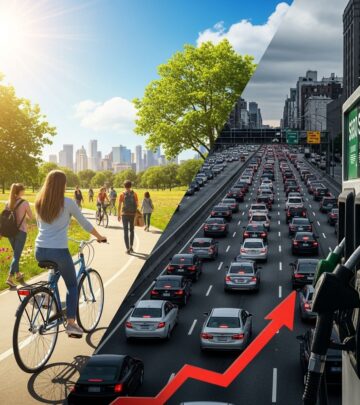
Commuting expenses add up quickly for millions of workers, often exceeding hundreds of dollars monthly on fuel, tolls, parking, and vehicle upkeep. With rising road usage fees and fuel prices, rethinking your daily travel routine can yield substantial savings. This guide outlines actionable steps to minimize these costs using incentives, policy benefits, and lifestyle adjustments.
Understanding Your Commute Expenses
Before cutting costs, assess what you’re spending. Typical breakdowns include gasoline at around 72.5 cents per mile for business use in 2026, plus insurance, maintenance, and parking fees that can total $500 or more per month for average drivers. Track your trips with apps to reveal patterns, such as high-toll routes or inefficient solo drives.
- Fuel and mileage: Primary expense for drivers, amplified by new per-mile charges.
- Public transit: Fares add up without subsidies.
- Parking and tolls: Urban commuters face steep daily hits.
California’s push toward mileage-based fees underscores the urgency, making solo driving costlier while opening doors to shared travel rewards.
Leverage Ridesharing and Carpool Incentives
Ridesharing platforms like RidePair reward participants for matching rides without fare-splitting, turning commutes into potential income sources. Users earn bonuses for verified shared miles, offsetting fuel, tolls, and even generating net gains for frequent travelers.
Benefits extend beyond finances:
- Reduce congestion and emissions through fewer vehicles on roads.
- Access app-based verification for authentic carpooling.
- Hypothetical savings: Moderate commuters offset much of fuel costs; long-haul drivers near zero net expense.
| Commute Type | Potential Savings | Incentive Example |
|---|---|---|
| Daily 20-mile solo drive | $50-100/month | Fuel offset via bonuses |
| High-toll highway | $75+/month | Toll reductions + rewards |
| Vanpool group | $200+/month | Shared costs + subsidies |
Tap Into Employer Tax Benefits
Federal law allows employers to offer up to $340 monthly pre-tax benefits for transit, vanpools, and parking in 2026, doubling value at transit lots. This slashes taxable income for employees and payroll taxes for businesses, while cutting parking demands.
State programs mirror this: California’s Commute Programs incentivize bikes, transit, and vanpools to ease traffic and pollution.
- Pre-tax dollars cover fares or vanpool fees.
- Employers gain from higher productivity and lower overhead.
- Guaranteed Ride Home (GRH) reimburses emergencies via logged trips.
Embrace Public Transit Rewards
Many regions provide free starter incentives, like $25 Clipper cards for new transit users, alongside ongoing rewards for consistent ridership. Log trips via apps like CommuteStar to earn $25 every 10 days for carpooling or biking, up to $100 yearly.
Combine with flexible employer policies for hybrid transit days, minimizing personal vehicle use.
Optimize Vehicle and Driving Habits
For those driving, efficiency matters. Maintain tires, avoid idling, and combine errands to cut mileage. Apps track and gamify fuel savings, while right-sizing your vehicle—opting for fuel-efficient models—yields long-term gains.
- Combine trips: Reduce total miles by 20-30%.
- Efficient driving: Save 10% on fuel via steady speeds.
- Vehicle choice: Hybrids lower per-mile costs significantly.
Flexible Work: Remote and Staggered Schedules
Negotiate telecommuting or flex hours with employers to avoid peak traffic and parking fees. Programs like Commute.org promote tools for tracking remote days, tying them to rewards.
This shift not only saves money but boosts happiness and green impact—fewer cars mean less congestion.
Biking and Walking Incentives
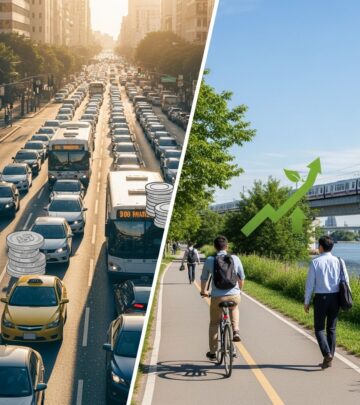
Short commutes suit active travel. Earn rewards for logged bike trips, plus health perks. Secure storage and showers at work enhance feasibility.
| Method | Monthly Savings | Added Perks |
|---|---|---|
| Biking (10 miles roundtrip) | $100+ (no fuel/parking) | $25/10 days reward |
| Walking | $150+ | Health improvements |
Regional Programs and Tools
Explore local options: CommuteStar offers matching, trip planning, and GHG calculators for free. Multilingual GRH campaigns boost access.
Vanpool subsidies aim for sustainability, reimbursing shared rides.
Calculate Your Potential Savings
Use this formula: (Miles driven x rate) + tolls/parking – incentives. Tools like IRS rates help quantify.
Example: 300 monthly miles solo at 72.5¢/mile = $217.50. Carpool halves it to $108.75, plus $50 incentives = $58.75 net.
Frequently Asked Questions
What is the 2026 commuter tax benefit limit?
Up to $340/month pre-tax for transit/vanpools.
How do carpool apps verify rides?
Through GPS logging and matching confirmation.
Are biking rewards available everywhere?
Common in state programs like California’s; check local.
Can remote work eliminate commute costs?
Yes, for eligible roles, saving 100% on travel.
What if my employer doesn’t offer benefits?
Advocate or use public incentives via apps.
Start Saving Today
Pick one strategy: download a commute app, discuss flex with your boss, or match a ride. Small changes compound into major annual savings, better environment, and less stress.
References
- RidePair Helps California Commuters Reduce Transportation Expenses — EIN Presswire. 2025-01-15. https://www.einpresswire.com/article/889398731/ridepair-helps-california-commuters-reduce-transportation-expenses-through-incentive-based-carpooling
- FY2026 Work Plan — Commute.org. 2025-06. https://commute.org/wp-content/uploads/2025/06/FY2026_Work_Plan_Final.pdf
- Commuter Tax Benefits — Association of Commuter Transportation. 2025. https://www.actweb.org/commuter-tax-benefits
- Road to Savings: Making Commutes Cheaper, Greener and Happier — Empower. 2025-03-07. https://www.empower.com/the-currency/work/road-savings-making-commutes-cheaper-greener-and-happier-news
- Commute Programs — California Department of Human Resources (CalHR). 2025. https://benefits.calhr.ca.gov/state-employees/work-resources/commute-programs/
- Reduce Commuting Costs — CONNECT Our Future. 2025. https://connectourfuture.org/reduce-commuting-costs/
- IRS Raises General Business Use Mileage Reimbursement Rate for 2026 — WorldatWork. 2025. https://worldatwork.org/publications/workspan-daily/irs-raises-general-business-use-mileage-reimbursement-rate-for-2026
Similar Articles








Read full bio of medha deb