Curriculum Vitae & Cover Letters: Complete Guide
Master CV and cover letter writing with expert tips, formatting guidelines, and proven strategies.
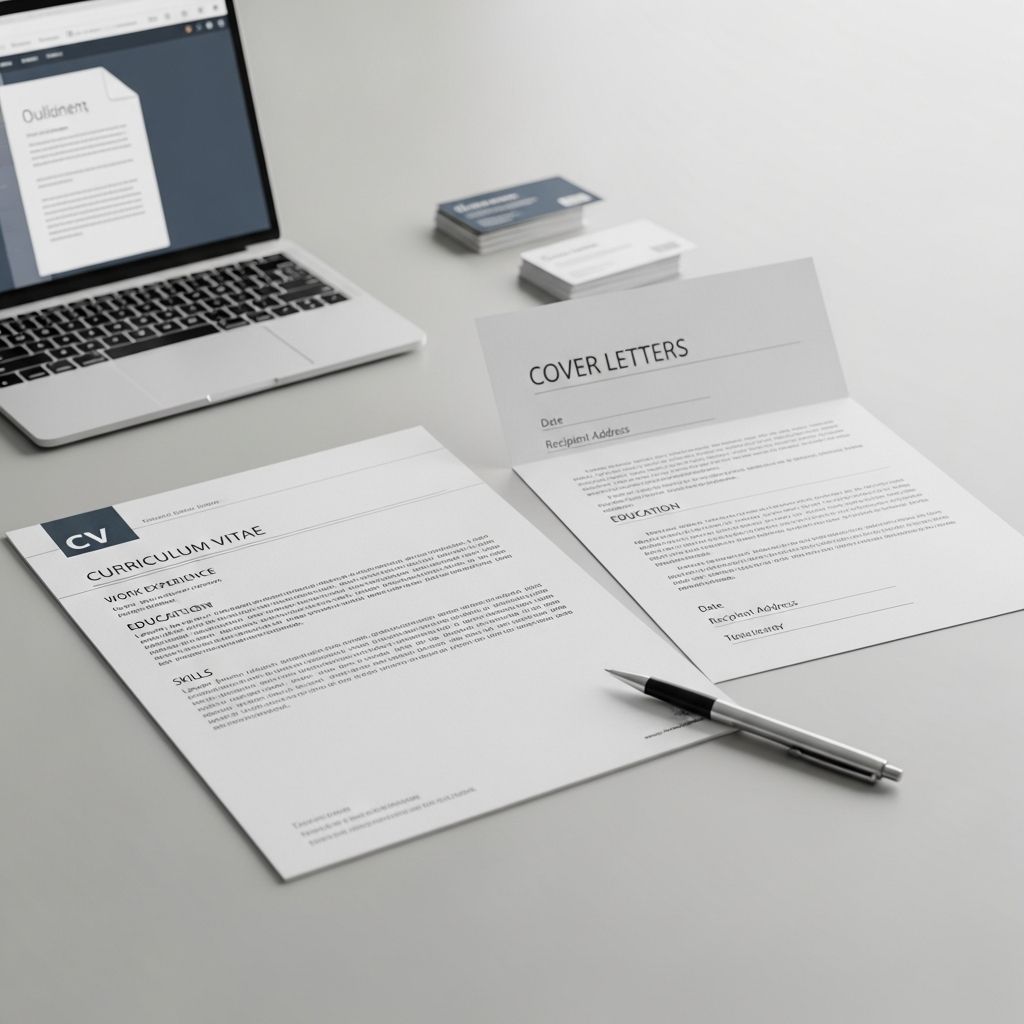
Understanding Curriculum Vitae and Cover Letters
A curriculum vitae (CV) and cover letter are two essential documents that form the foundation of any successful job application. While your resume provides a concise overview of your professional experience and skills, a CV offers a more comprehensive account of your academic and professional accomplishments. A cover letter, on the other hand, serves as your personal introduction to hiring managers, allowing you to express your enthusiasm for a specific position and explain why you are the ideal candidate. Together, these documents create a compelling narrative about who you are as a professional and what you can contribute to an organization.
Understanding the distinction between these documents and knowing how to craft each one effectively is crucial for career success. Many job seekers treat these documents as mere formalities, but employers and hiring managers use them as critical screening tools to identify qualified candidates who deserve an interview. By mastering the art of CV and cover letter writing, you significantly increase your chances of standing out from the competition and landing the job you want.
What is a Curriculum Vitae?
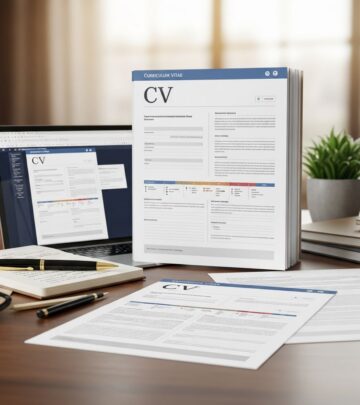
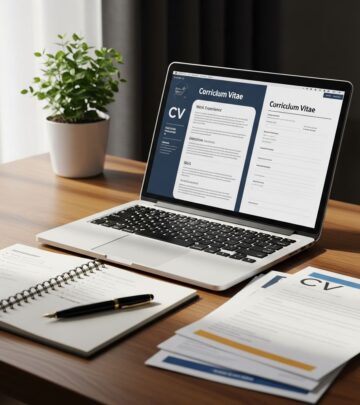
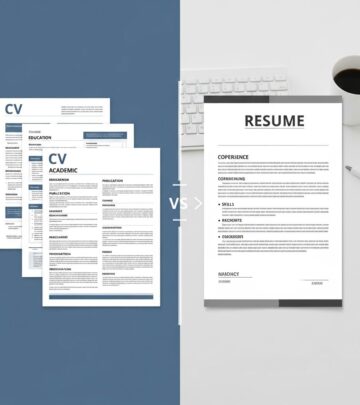
A curriculum vitae, commonly referred to as a CV, is a detailed document that outlines your complete professional and academic history. Unlike a resume, which typically spans one to two pages, a CV can be several pages long and provides an in-depth account of your qualifications, achievements, and career trajectory. CVs are particularly common in academic, research, and international job markets, though they are increasingly used across various industries.
Your CV should include sections such as personal information, professional summary, education, work experience, publications, research projects, certifications, professional memberships, and language proficiencies. The level of detail you include depends on your career stage and the requirements of the position you are applying for. A well-organized CV demonstrates your credibility, expertise, and commitment to your field.
What is a Cover Letter?
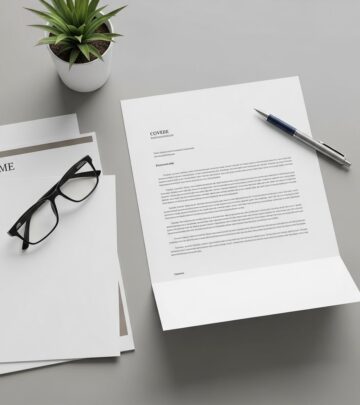
A cover letter is a one-page business letter that accompanies your resume or CV when applying for a job. This document provides an opportunity to introduce yourself personally, explain your interest in the specific position and organization, and highlight how your skills and experience align with the job requirements. Unlike your CV or resume, which are primarily informational, a cover letter tells a story about your motivation, passion, and professional aspirations.
The cover letter allows you to demonstrate your communication skills, personality, and ability to connect your qualifications to the employer’s needs. It serves as your first opportunity to make an impression on a hiring manager and can be the deciding factor between your application being reviewed or discarded. A compelling cover letter shows that you have researched the organization, understood the role, and can articulate why you are genuinely interested in the opportunity.
Key Differences Between CV and Cover Letter
| Aspect | Curriculum Vitae | Cover Letter |
|---|---|---|
| Length | Can be multiple pages (2-10+ pages) | Typically one page (3-4 paragraphs) |
| Purpose | Comprehensive overview of qualifications | Personalized introduction and motivation |
| Format | Chronological or thematic listing | Business letter format |
| Tone | Formal and factual | Professional yet personal |
| Customization | Generally one version for all positions | Customized for each specific position |
How to Write an Effective Cover Letter
Writing a cover letter that captures the attention of hiring managers requires a strategic approach. Your cover letter should be carefully structured to address key questions: Who are you? Why are you writing? What skills and experience make you qualified? By answering these questions clearly and compellingly, you create a document that serves as a powerful complement to your resume.
Step 1: Create Your Header
The header of your cover letter should mirror the professional formatting of your resume. Include your full name, city and state, phone number, email address, and the date. Below your information, add the employer’s contact details, including the hiring manager’s name and title, company name, street address, city, state, and zip code. This section ensures that your application is easy to track and demonstrates attention to detail.
Step 2: Address the Hiring Manager
Personalizing your cover letter by addressing it to a specific individual is crucial. Use “Dear [Hiring Manager’s Name]” whenever possible. If you cannot find the hiring manager’s name through research or company inquiry, “Dear Hiring Manager” or “Dear Hiring Committee” is acceptable. Taking the time to find the correct name shows initiative and genuine interest in the position.
Step 3: Write Your Opening Paragraph
Your opening paragraph should be engaging and immediately convey your purpose. State clearly the specific position title you are applying for and how you learned about the opportunity. Explain your interest in both the role and the organization, demonstrating that you have researched the company and understand its mission and values. If someone referred you to the position, mention their name in this first paragraph. This opening should also provide a brief overview of the key strengths and skills you will bring to the role, serving as a thesis statement that guides the reader through the rest of your letter.
Step 4: Develop Your Body Paragraphs
The body of your cover letter typically consists of one to two paragraphs that showcase specific examples of your relevant experience and skills. Each body paragraph should begin with a topic sentence that introduces what experience, skill, or qualification you will explain. Provide clear, specific examples of what you have accomplished, detailing the actions you took, what you learned, and the impact of your work. Connect these examples directly to how they demonstrate your ability to succeed in the position you are applying for.
When selecting examples, focus on one or two significant achievements that directly align with the job description. Use keywords from the job posting to describe your skills and experiences, echoing the language used by the employer. This approach demonstrates that you understand the role requirements and possess the specific qualifications the organization is seeking. Rather than simply repeating what is on your resume, use this space to provide additional context and detail about key experiences that make you uniquely qualified.
Step 5: Create a Strong Closing Paragraph
Your closing paragraph should reiterate your enthusiasm for the position and summarize why you are an excellent fit. Express your desire to discuss how your skills and experience can benefit the organization. Provide a clear call to action, such as mentioning that you look forward to hearing from them or that you will follow up within a specific timeframe. Close with a professional sign-off such as “Sincerely,” followed by your full name.
Cover Letter Formatting Guidelines
Proper formatting is essential for creating a professional and polished cover letter. Follow these formatting recommendations to ensure your document looks cohesive with your resume:
- Font and Size: Use a font size between 10-12 points, selecting the same font as your resume for consistency.
- Margins: Set margins at 1 to 1.25 inches on all sides.
- Length: Keep your cover letter to one page with three to four concise paragraphs.
- Alignment: Align all text to the left margin and do not indent paragraphs.
- Paper: If printing, use the same quality bond paper as your resume.
- Line Spacing: Use single spacing within paragraphs and double spacing between sections for readability.
What to Include in Your CV
A comprehensive CV should include several key sections that showcase your professional credentials and accomplishments:
- Contact Information: Your full name, phone number, email address, and LinkedIn profile URL at the top of the document
- Professional Summary: A brief overview of your career objectives and key qualifications
- Education: Degree(s) earned, institution(s), graduation date, and relevant coursework or honors
- Professional Experience: Job titles, companies, employment dates, and detailed descriptions of responsibilities and achievements
- Research and Publications: Academic papers, articles, or other scholarly work you have authored or co-authored
- Certifications and Licenses: Professional credentials relevant to your field
- Technical Skills: Software proficiencies, language skills, and other technical competencies
- Professional Memberships: Affiliations with professional organizations in your industry
- Volunteer Experience: Relevant volunteer positions that demonstrate your commitment and skills
CV vs. Resume: When to Use Each
Understanding when to use a CV versus a resume is important for job seekers. A resume is typically preferred in the United States for most business and corporate positions, as hiring managers expect a concise one to two-page summary of your qualifications. A CV is more commonly used in academic, research, healthcare, and international job markets, where a more comprehensive document is expected and valued.
When applying for a position, carefully review the job posting or application instructions. If the employer specifically requests a CV, provide one even if you are applying for a position in the United States. If a resume is requested, do not submit a CV instead. When in doubt, contact the hiring manager or recruiter to clarify which document format they prefer.
Common Cover Letter Mistakes to Avoid
Many job seekers undermine their chances of landing an interview by making preventable mistakes in their cover letters. Being aware of these pitfalls can help you create a more effective document:
- Generic Content: Sending the same cover letter to multiple employers without customization shows lack of genuine interest
- Spelling and Grammar Errors: Proofreading failures create a negative impression and suggest carelessness
- Excessive Length: Writing more than one page or overly lengthy paragraphs loses the reader’s attention
- Repeating Your Resume: Simply restating information from your resume rather than adding new insights and context
- Lack of Specificity: Using vague statements instead of providing concrete examples of your achievements
- Negative Tone: Focusing on what you lack rather than emphasizing your strengths and value
- Poor Formatting: Using inconsistent fonts, irregular spacing, or misaligned text that looks unprofessional
Proofreading and Quality Assurance
Before submitting your cover letter, conduct a thorough quality review. Read your document multiple times, checking for spelling errors, grammar mistakes, and awkward phrasing. Ask a trusted friend, mentor, or professional contact to review your cover letter for content, flow, and overall effectiveness. Fresh eyes can catch errors you may have missed and provide valuable feedback on whether your message comes across clearly and compellingly.
Beyond basic proofreading, ensure that your document maintains consistency with your resume in terms of formatting, font selection, and professional tone. Verify that all contact information is accurate and that you have correctly spelled the hiring manager’s name and company name. These final checks demonstrate professionalism and attention to detail, qualities that employers value highly.
Tips for a Winning Cover Letter
To create a cover letter that truly stands out and increases your chances of landing an interview, keep these proven tips in mind:
- Research Thoroughly: Learn about the organization’s mission, values, recent accomplishments, and culture
- Match Keywords: Mirror the language and terminology used in the job description to demonstrate alignment with requirements
- Tell Your Story: Use your cover letter to explain your career path and what motivates you professionally
- Highlight Achievements: Focus on quantifiable results and specific accomplishments rather than general responsibilities
- Show Enthusiasm: Let your genuine interest in the position and company shine through in your writing
- Demonstrate Knowledge: Reference specific details about the organization that show you have done your homework
- Keep It Concise: Make every sentence count; eliminate unnecessary words and redundant phrases
Frequently Asked Questions
Q: How long should my cover letter be?
A: Your cover letter should be one page long with three to four concise paragraphs. Aim for approximately 250-400 words total. Hiring managers typically spend only a few minutes reviewing each application, so keeping your letter focused and brief is essential for maintaining their attention.
Q: Should I include a photo in my cover letter?
A: In most cases, you should not include a photo in your cover letter unless specifically requested by the employer. In academic and some international contexts, a professional headshot may be expected, but generally, stick to text-only formatting. If a photo is required, ensure it is a professional headshot that matches the one on your resume or LinkedIn profile.
Q: What if I don’t know the hiring manager’s name?
A: Make an effort to find the hiring manager’s name by researching the company website, calling the organization’s main line, or searching LinkedIn. If you cannot find the specific name after reasonable effort, use generic salutations such as “Dear Hiring Manager” or “Dear Hiring Committee” rather than “To Whom It May Concern.”
Q: Can I use the same cover letter for multiple positions?
A: While you can use the same basic structure and template, you should customize each cover letter for the specific position and organization. Change the opening paragraph to reference the particular job title and company, and adjust your body paragraphs to highlight the most relevant skills and experiences for each role.
Q: How should I format my contact information in the header?
A: Include your full name, city and state, phone number, email address, and the date at the top of the letter. You may center this information or align it to the left. Below your information, add the hiring manager’s complete contact details including their name, title, company name, and full mailing address.
Q: Should my cover letter match my resume formatting?
A: Yes, absolutely. Your cover letter should match the font style, font size, and overall formatting of your resume to create a cohesive application package. This consistency demonstrates attention to detail and shows that you have thoughtfully prepared your application materials.
Q: What should I do if the job posting doesn’t specify whether to submit a CV or resume?
A: In the United States, when not specified, submit a resume as it is the standard expectation in most industries. For academic, research, or international positions, a CV may be more appropriate. When in doubt, contact the organization’s human resources department or hiring manager to clarify which format they prefer.
Q: How many times should I proofread my cover letter before submitting it?
A: You should proofread your cover letter at least three times: once for spelling and grammar, once for content and flow, and once more for formatting consistency. Additionally, ask at least one other person to review it for fresh perspective and feedback.
References
- Cover Letter Writing Guide — Career Services, University of Arizona. https://career.arizona.edu/resources/cover-letter-writing-guide/
- Cover Letters — Cawley Career Education Center, Georgetown University. https://careercenter.georgetown.edu/major-career-guides/resumes-cover-letters/cover-letters/
- How to Write an Effective Cover Letter — Career and Professional Development, MIT. https://capd.mit.edu/resources/how-to-write-an-effective-cover-letter/
- How To Write a Cover Letter (With Examples and Tips) — Indeed.com Career Advice. https://www.indeed.com/career-advice/resumes-cover-letters/how-to-write-a-cover-letter
- Cover Letter Writing Guide — Penn Career Services, University of Pennsylvania. https://careerservices.upenn.edu/cover-letter-writing-guide/
- Cover Letter Resources — University Career Center, University of Michigan. https://careercenter.umich.edu/content/cover-letter-resources
Similar Articles








Read full bio of medha deb