Current Liabilities: Examples and How They Impact Your Business
Understanding current liabilities: Definition, examples, and financial impact on your organization.
Understanding Current Liabilities: Definition and Importance
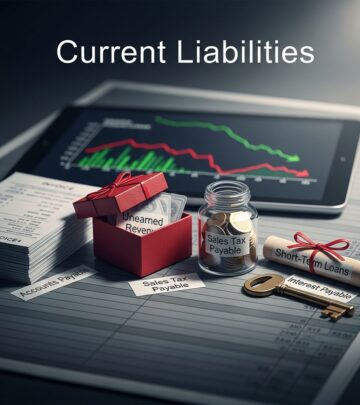
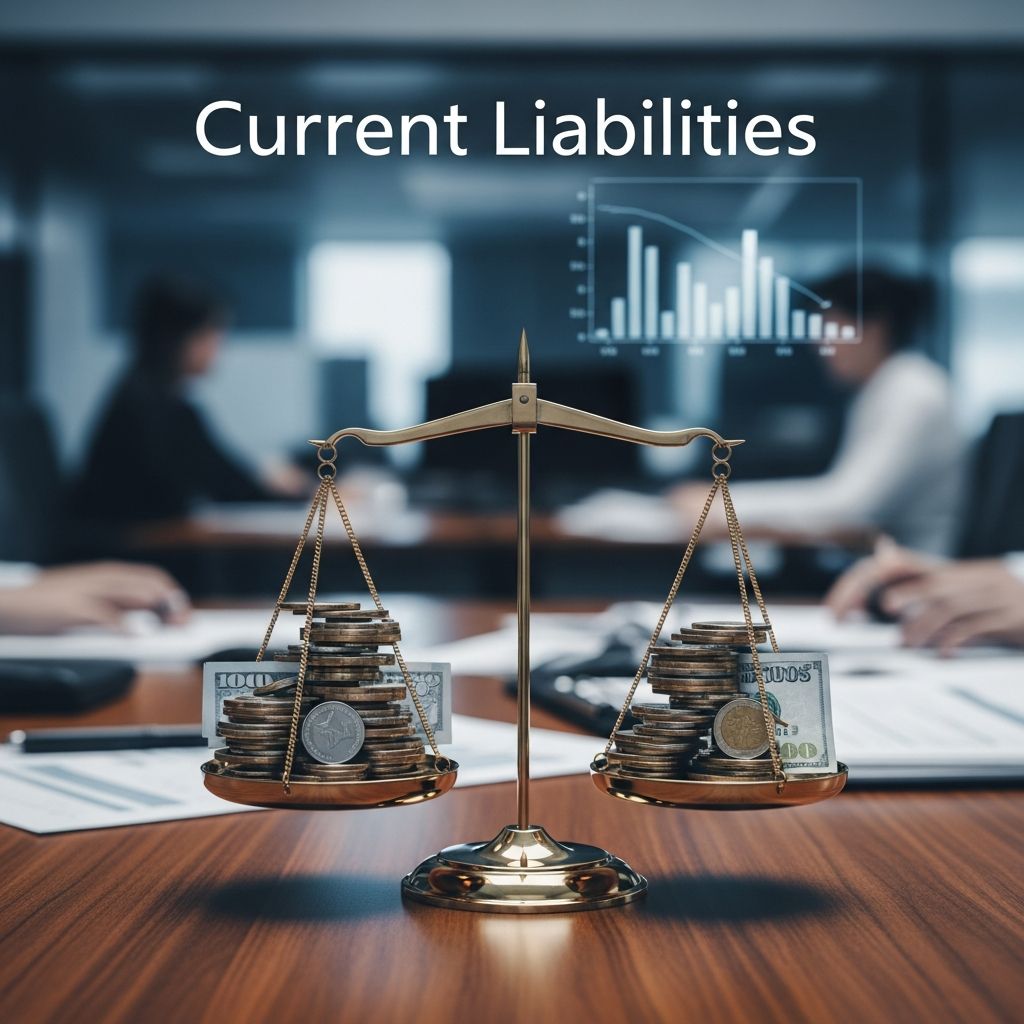
Current liabilities represent financial obligations that a company must pay or settle within one year or within its operating cycle, whichever is longer. These short-term obligations are critical components of a company’s balance sheet and play a vital role in assessing financial health and liquidity. Understanding current liabilities is essential for business owners, investors, creditors, and financial analysts who need to evaluate a company’s ability to meet its short-term obligations.
The distinction between current and long-term liabilities is fundamental to financial analysis. While current liabilities must be addressed quickly, long-term liabilities extend beyond the one-year timeframe. This classification helps stakeholders understand the immediate financial pressures facing an organization and its capacity to generate sufficient cash flow to cover near-term obligations.
Key Characteristics of Current Liabilities
Current liabilities share several defining characteristics that distinguish them from other financial obligations:
– They require payment within twelve months or one operating cycle- They are typically settled using current assets or through refinancing- They appear on the balance sheet in order of liquidity- They directly impact working capital calculations- They influence key financial ratios such as the current ratio and quick ratio
Common Examples of Current Liabilities
Accounts Payable
Accounts payable represents money owed to suppliers and vendors for goods or services purchased on credit. This is one of the most common current liabilities found on business balance sheets. When a company receives inventory or services without immediate payment, it creates an obligation to pay within an agreed-upon timeframe, typically 30, 60, or 90 days. Accounts payable is considered an unsecured liability, meaning creditors have no claim to specific company assets if payment is not made.
Short-Term Debt and Current Portions of Long-Term Debt
Short-term debt includes loans, notes payable, and lines of credit due within one year. Additionally, companies must classify the current portion of long-term debt as a current liability. For example, if a company has a five-year mortgage on equipment with $50,000 due in the next twelve months, that $50,000 must be listed as a current liability while the remaining balance is classified as long-term debt.
Accrued Expenses
Accrued expenses represent costs that a company has incurred but has not yet paid. Common examples include accrued wages for employees, accrued utilities, accrued interest on debt, and accrued taxes. These expenses are recorded on the income statement when incurred, not when paid, following the accrual accounting principle. This ensures that financial statements accurately reflect the company’s true financial position.
Salary and Wages Payable
Salaries and wages payable represent compensation owed to employees for work already performed. Most companies pay employees on a regular schedule, such as weekly or monthly, creating a timing difference between when work is performed and when payment is made. The amount owed at the end of an accounting period must be recorded as a current liability.
Interest Payable
Interest payable represents the accumulated interest expense on outstanding debt that has accrued but not yet been paid. Companies accrue interest daily on loans and bonds but typically pay interest on predetermined dates. The unpaid interest at the reporting date is recorded as a current liability.
Income Taxes Payable
Income taxes payable reflects the amount of federal, state, and local income taxes owed by the company for the current period. Companies typically make quarterly estimated tax payments and settle their final tax liability when filing annual returns. Any unpaid taxes for the current period appear as a current liability.
Unearned Revenue (Deferred Revenue)
Unearned revenue, also called deferred revenue, represents payment received from customers for goods or services not yet delivered or performed. Common examples include subscription fees collected in advance, deposits on future services, or prepayments for annual memberships. This is a current liability because the company has an obligation to provide goods or services in the near future.
Current Portion of Notes Payable
Notes payable are formal written promises to pay a specific amount by a certain date. The portion of a note payable due within the next twelve months is classified as a current liability. This might include short-term financing obtained to fund operations or equipment purchases.
Dividends Payable
When a company’s board of directors declares a dividend but has not yet paid it to shareholders, dividends payable is recorded as a current liability. This represents the company’s obligation to distribute cash or stock to its owners.
Current Lease Obligations
Under accounting standards like ASC 842, companies must recognize lease obligations on their balance sheet. The current portion of lease payments due within twelve months is classified as a current liability, while future lease payments are recorded as long-term liabilities.
How Current Liabilities Affect Financial Analysis
Working Capital Calculation
Working capital is calculated as current assets minus current liabilities. This metric indicates the company’s short-term financial health and operational efficiency. Positive working capital suggests the company can cover its short-term obligations, while negative working capital may indicate potential liquidity problems.
Current Ratio and Quick Ratio
The current ratio, calculated by dividing current assets by current liabilities, measures a company’s ability to pay short-term obligations. A ratio above 1.0 generally suggests adequate liquidity. The quick ratio provides a more conservative measure by excluding inventory from current assets, offering insights into immediate payment capability.
Cash Flow Assessment
Current liabilities directly impact cash flow analysis. Creditors and investors examine the relationship between operating cash flow and current liabilities to determine whether the company generates sufficient cash to meet its obligations without relying on asset sales or additional financing.
Comparing Current and Long-Term Liabilities
| Feature | Current Liabilities | Long-Term Liabilities |
|---|---|---|
| Payment Timeline | Within 12 months or one operating cycle | Beyond 12 months |
| Examples | Accounts payable, short-term debt, accrued expenses | Mortgages, bonds payable, long-term loans |
| Balance Sheet Position | Listed first on balance sheet | Listed after current liabilities |
| Impact on Liquidity | Direct and immediate impact | Indirect, deferred impact |
| Financial Ratios | Affects current ratio, quick ratio | Affects debt-to-equity ratio, solvency ratios |
Managing Current Liabilities Effectively
Cash Flow Planning
Effective management of current liabilities requires careful cash flow planning. Companies should forecast payment obligations and ensure sufficient cash reserves or operating cash flow to meet these obligations without disrupting daily operations.
Negotiating Payment Terms
Businesses can extend their cash runway by negotiating favorable payment terms with suppliers. Requesting extended payment periods or seasonal payment arrangements can improve liquidity management and reduce pressure on short-term cash reserves.
Maintaining Strong Vendor Relationships
Building strong relationships with creditors and suppliers is essential for securing favorable terms and potentially negotiating extensions if temporary cash flow challenges arise. Good payment history and communication strengthen these relationships.
Monitoring Liquidity Ratios
Companies should regularly monitor their current ratio, quick ratio, and other liquidity metrics to ensure they maintain adequate resources to cover current liabilities. Falling ratios may signal the need for corrective financial actions.
Current Liabilities and Business Size
The composition of current liabilities varies significantly based on company size and industry. Small businesses might have relatively simple current liability structures dominated by accounts payable and short-term loans. Large corporations face more complex current liability situations, including substantial accrued expenses, sophisticated debt structures, and significant unearned revenue from various business lines.
Retail companies often have substantial unearned revenue from gift cards and customer deposits, while service companies may have significant accrued expense liabilities. Manufacturing firms typically carry larger accounts payable from raw material purchases and more complex current debt obligations from equipment financing.
Current Liabilities in Different Industries
Technology and Software Companies
These companies often have substantial unearned revenue from subscription services and multi-year software licenses. They typically have lower accounts payable relative to manufacturing companies but significant accrued employee compensation due to stock-based payment arrangements.
Retail Companies
Retailers maintain large accounts payable from inventory purchases and significant unearned revenue from gift card sales. Seasonal variations in current liabilities are common in retail, with higher payables during peak buying seasons and higher unearned revenue during holiday periods.
Manufacturing Companies
Manufacturers typically carry substantial accounts payable for raw materials and components. They often have significant accrued expenses related to warranty obligations and may have substantial current portions of long-term debt from equipment financing.
Frequently Asked Questions
Q: What is the primary difference between current and non-current liabilities?
A: The primary difference is timing. Current liabilities must be paid within twelve months or one operating cycle, while non-current (long-term) liabilities extend beyond that period. This distinction is crucial for assessing a company’s short-term financial obligations and liquidity position.
Q: Why is accounts payable considered a current liability?
A: Accounts payable is a current liability because it represents money owed to suppliers for goods or services received on credit that must be paid within the agreed-upon terms, typically within 30 to 90 days.
Q: How do accrued expenses differ from accounts payable?
A: Accounts payable represents amounts owed for goods or services already invoiced by the creditor, while accrued expenses are costs incurred by the company that haven’t yet been invoiced. Both are current liabilities requiring payment within one year.
Q: What does a negative working capital situation indicate?
A: Negative working capital (when current liabilities exceed current assets) may indicate that a company is unable to cover short-term obligations with available current assets. However, for companies with strong operating cash flow, this may not necessarily signal financial distress.
Q: How does unearned revenue create a liability?
A: Unearned revenue is a liability because the company has received cash but hasn’t yet delivered the promised goods or services. The company has an obligation to deliver these goods or services, making it a liability until fulfilled.
Q: Why is the current portion of long-term debt listed separately?
A: The current portion of long-term debt is separated because it requires payment within twelve months and directly affects the company’s liquidity and working capital calculations, distinct from the long-term portion of the same debt obligation.
References
- Financial Accounting Standards Board (FASB) — Accounting Standards Codification (ASC) — FASB. 2024. https://www.fasb.org
- International Accounting Standards Board (IASB) — International Financial Reporting Standards (IFRS) — IASB. 2024. https://www.ifrs.org
- U.S. Securities and Exchange Commission (SEC) — Investor Education — SEC. 2024. https://www.sec.gov/investor
- Corporate Finance Institute — Current Liabilities — CFI Education Inc. 2024. https://corporatefinanceinstitute.com/resources/accounting/current-liabilities
Similar Articles








Read full bio of Sneha Tete