Credit Card Interest Rates: 5 Ways To Reduce Costs In 2025
Understanding today's credit card rates and what to expect in 2025.
Understanding Current Credit Card Interest Rates
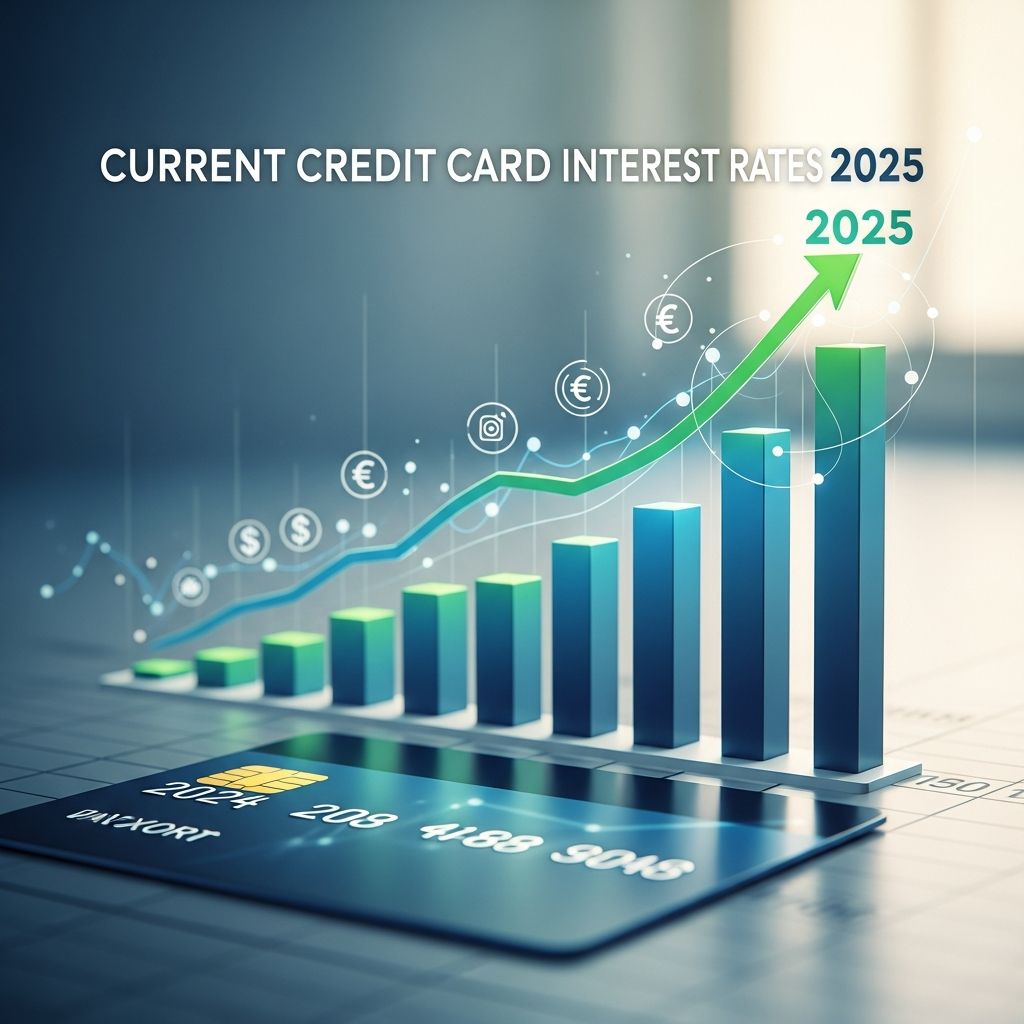
Credit card interest rates remain a critical concern for millions of Americans carrying balances on their cards. As of late 2024 and moving into 2025, the average credit card annual percentage rate (APR) hovers around 20 percent, representing some of the highest rates consumers have experienced in recent years. Understanding these rates, what drives them, and where they’re headed is essential for making informed financial decisions about borrowing and debt management.
The relationship between federal interest rates and credit card APRs is direct but not always immediate. When the Federal Reserve adjusts its benchmark interest rate, credit card issuers typically follow suit, but the timing and magnitude of changes can vary. For consumers, this means that while Fed rate cuts provide some relief, the improvement may be modest and take time to materialize across all card products.
Current Credit Card Rate Environment
The current credit card interest rate landscape reflects a period of elevated borrowing costs. At approximately 20.27 percent as of late 2024, the average credit card APR remains substantially higher than historical averages. This increase stems from the Federal Reserve’s aggressive interest rate hiking campaign that began in 2022 to combat inflation. Unlike the record-low rates of 2020-2021, when the average credit card rate hovered around 16 percent, today’s consumers face significantly higher financing costs.
What makes this environment particularly challenging is that credit card rates have proven stickier than other lending products. While mortgage rates and auto loan rates have shown more responsiveness to Federal Reserve adjustments, credit card issuers have maintained higher margins, meaning the full benefit of rate cuts doesn’t always reach consumers. This dynamic reflects the higher risk profile of unsecured credit card lending compared to secured products like mortgages and auto loans.
Factors Influencing Your Credit Card APR
Several factors determine the specific interest rate you receive on a credit card application or maintain on an existing account. Your credit score is the primary driver—consumers with excellent credit scores (750 and above) typically qualify for rates significantly lower than those with fair or poor credit. Prime borrowers might receive rates in the 15-18 percent range, while consumers with credit scores below 660 could face rates exceeding 25 percent.
Credit card issuers add a margin to the prime rate to determine your APR. This margin averages about 12.5 percentage points but can range from 8 to 29 percentage points depending on credit quality and market conditions. Additionally, the type of card matters—retail store cards typically carry much higher rates than general-purpose credit cards, often exceeding 30 percent. Travel rewards cards and premium cards designed for excellent-credit consumers usually offer more competitive rates.
2025 Credit Card Rate Forecast
Looking ahead to 2025, Bankrate’s Chief Financial Analyst projects modest relief for credit card holders, but the improvement will be limited. The forecast anticipates that the average credit card APR will decline by approximately 0.5 percentage points, bringing the average down to 19.8 percent by year-end 2025. While this represents movement in the right direction, it underscores that significant relief remains unlikely even as the Federal Reserve continues adjusting its benchmark rates.
The Federal Reserve is projected to implement three quarter-point rate cuts during 2025, bringing its key benchmark from the current 4.75 percent range down to 3.5-3.75 percent. However, even with these cuts, the Fed’s rate will remain at its highest level since 2008, maintaining elevated financing costs across the credit market. This persistent elevation explains why credit card relief will be marginal despite Federal Reserve action.
Why Credit Card Rates Won’t Match Fed Cuts
The disconnect between Federal Reserve rate cuts and credit card rate reductions reflects several economic realities. First, credit card issuers view their lending as higher risk than other products, justifying wider profit margins. Second, competition among card issuers has become more about rewards programs and introductory offers than rate reductions. Third, issuers have significant flexibility in setting rates for new applicants, meaning they can offset lower funding costs with higher APRs on fresh accounts while maintaining lower rates for premium customers.
For existing cardholders, rate changes typically take effect more slowly—often requiring up to three months for Federal Reserve actions to translate into APR adjustments. This lag means that even when the Fed cuts rates, individual consumers may not see immediate benefits on their statements. Additionally, if you carry a balance and have fair or poor credit, you may see minimal rate reductions even when changes do occur.
Impact of Current Rates on Consumer Debt
The high-rate environment has significant consequences for consumers carrying credit card balances. On a $5,000 balance, the difference between the current 20.27 percent rate and the projected 19.8 percent rate amounts to roughly $2 in monthly interest savings—hardly meaningful for most households struggling with credit card debt. For someone carrying a $10,000 balance, the monthly savings would be approximately $4, demonstrating how incremental rate changes provide minimal relief to existing debt holders.
This reality underscores why waiting for rate reductions to solve credit card debt problems is not a viable strategy. According to recent surveys, approximately 50 percent of credit card holders carry a balance month-to-month, and for these consumers, the path forward requires active debt reduction strategies rather than relying on market conditions to improve. Making minimum payments on high-interest credit cards ensures that most of your payment goes toward interest rather than principal, making debt payoff increasingly difficult.
Retail Credit Cards: Even Higher Rates
One particularly concerning trend involves retail credit cards, which carry dramatically higher interest rates than general-purpose cards. The average retail credit card APR stands at 30.14 percent, nearly 1.5 times higher than the average general credit card rate. This means that using a store-branded card could cost you substantially more in interest than a standard credit card, despite the temptation of introductory discounts or promotional offers at purchase.
Some of the worst offenders in the retail card space include luxury brand cards, where APRs can reach 35.99 percent or higher. Even with slight rate reductions expected in 2025, retail card rates will remain extraordinarily high. Consumers should carefully consider whether a small introductory discount justifies signing up for a card that could saddle them with 30+ percent interest rates if they carry a balance.
Strategies to Minimize Interest Rate Impact
Pay in Full Each Month: The most effective strategy for avoiding credit card interest is paying your full statement balance before the due date each month. This eliminates interest charges entirely and allows you to benefit from rewards programs without the cost of financing.
Transfer to a Lower-Rate Card: If you’re carrying a balance and have decent credit, exploring balance transfer options can provide meaningful savings. Many credit cards offer 0 percent APR introductory periods lasting 6-18 months on transferred balances, allowing you to pay down principal without accumulating additional interest during the promotion period.
Negotiate with Your Issuer: Calling your credit card company to request a lower APR is often overlooked but can be surprisingly effective, especially if you have good payment history. Issuers sometimes reduce rates to retain valuable customers, particularly those with strong credit scores and significant credit limits.
Choose Cards Based on Your Credit Profile: If you must carry a balance, selecting a card specifically designed for your credit level ensures you’re not paying unnecessarily high rates. Premium cards for excellent-credit consumers offer significantly lower rates than cards designed for people rebuilding credit.
Consider Alternative Lenders: Credit unions and smaller community banks often offer credit cards with rates 2-3 percentage points lower than the national average, particularly for members with established relationships.
Historical Context and Rate Trends
Understanding historical rate movements provides perspective on current conditions. In 2008, following the financial crisis, credit card rates actually rose despite falling Fed rates as credit risk premiums increased. During the 2010-2019 period, rates gradually declined as the economy recovered, eventually reaching historic lows of around 16 percent by 2020. The rapid rise to today’s 20+ percent levels occurred within just three years, reflecting the dramatic nature of the current rate-hiking cycle.
Throughout 2024, average credit card rates peaked at 20.79 percent in August before declining modestly to 20.27 percent by year-end. This relatively narrow range of variation suggests that rate changes are occurring slowly, and significant swings are unlikely in either direction absent major economic shifts.
Deposits and Savings: The Other Side of the Coin
While high credit card rates burden borrowers, savers have benefited from elevated deposit rates. Top-yielding savings accounts currently offer around 4.75 percent, while the national average is closer to 0.48 percent. High-yield certificates of deposit (CDs) offer even better returns, with one-year CDs at top institutions yielding 4.52 percent and five-year CDs reaching 4.25 percent. These attractive savings rates are projected to decline modestly through 2025 as the Fed cuts rates, but they should remain reasonable compared to historical averages.
This creates an interesting dynamic for consumers: while credit card rates remain stubbornly high, the opportunity to earn meaningful returns on savings has improved. Those without credit card debt should prioritize building emergency savings and taking advantage of current deposit rates before they decline further.
What This Means for Your Financial Planning
For credit card holders, the message is clear: don’t expect rate changes alone to solve debt problems. The 0.5 percentage point improvement projected for 2025 will have minimal impact on monthly payments. Instead, focus on behavioral strategies like reducing spending, increasing payments, or exploring balance transfers to lower-rate options. Even if you’re waiting for rates to fall, you can begin taking action immediately to improve your financial position.
For those considering new credit card applications, timing matters less than selecting the right card for your credit profile and financial situation. A premium rewards card with a higher APR might still be superior to a retail card if you pay in full monthly, while a lower-rate card designed for rebuilding credit might be appropriate if you expect to carry balances.
Frequently Asked Questions
Q: Why don’t credit card rates fall as much as Fed rate cuts?
A: Credit card issuers add significant margins (averaging 12.5 percentage points) above the prime rate to account for higher default risk. Additionally, issuers have flexibility in setting rates and prioritize profits and risk management over passing full savings to consumers.
Q: How long does it take for Fed rate cuts to affect my credit card APR?
A: Changes typically take up to three months to appear on your statement. Existing cardholders usually see automatic adjustments, while the impact on new applicants may vary based on issuer discretion.
Q: Are retail store credit cards worth getting for the discount?
A: Store card discounts rarely justify the 30+ percent APR. If you can’t pay the full balance immediately, a standard credit card offers better long-term value even without promotional discounts.
Q: What’s the best strategy to reduce credit card interest payments?
A: The most effective approach is paying your full balance monthly. If you must carry a balance, consider balance transfers to 0% APR cards or negotiate with your issuer for a rate reduction based on your payment history.
Q: Will credit card rates drop significantly in 2025?
A: Projections indicate only modest 0.5 percentage point declines despite three Fed rate cuts. Expect rates to remain elevated well above historical averages throughout 2025.
Q: How does my credit score affect my credit card APR?
A: Credit scores significantly influence rates. Excellent scores (750+) qualify for rates in the 15-18% range, while poor scores (below 660) can face rates exceeding 25%. Even small score improvements can result in meaningful rate reductions.
Conclusion
Credit card interest rates remain elevated as 2025 progresses, reflecting the Federal Reserve’s determined effort to combat inflation through higher borrowing costs. While modest rate reductions are projected throughout the year, consumers shouldn’t expect significant relief from these changes. Instead, the focus should be on proactive debt management strategies, including paying balances in full when possible, exploring balance transfer options, negotiating with issuers, and carefully selecting cards matched to your credit profile. Understanding how rates work and what drives them empowers you to make better financial decisions regardless of whether rates rise or fall in the months ahead.
References
- Bankrate’s Interest Rate Forecast For 2025 — Bankrate. 2024-12-20. https://www.bankrate.com/personal-finance/interest-rates-forecast/
- Retail Credit Card Interest Rates Remain Sky High — Bankrate. 2025-01-15. https://www.bankrate.com/credit-cards/news/retail-store-credit-card-survey/
- Credit Card Interest Rate Forecast For 2025 — Bankrate. 2024-12-20. https://www.bankrate.com/credit-cards/news/credit-card-rates-forecast/
Similar Articles








Read full bio of medha deb