Current Balance vs Available Credit Explained
Master the difference between what you owe and what you can spend to avoid fees, boost your credit score, and take control of your finances.
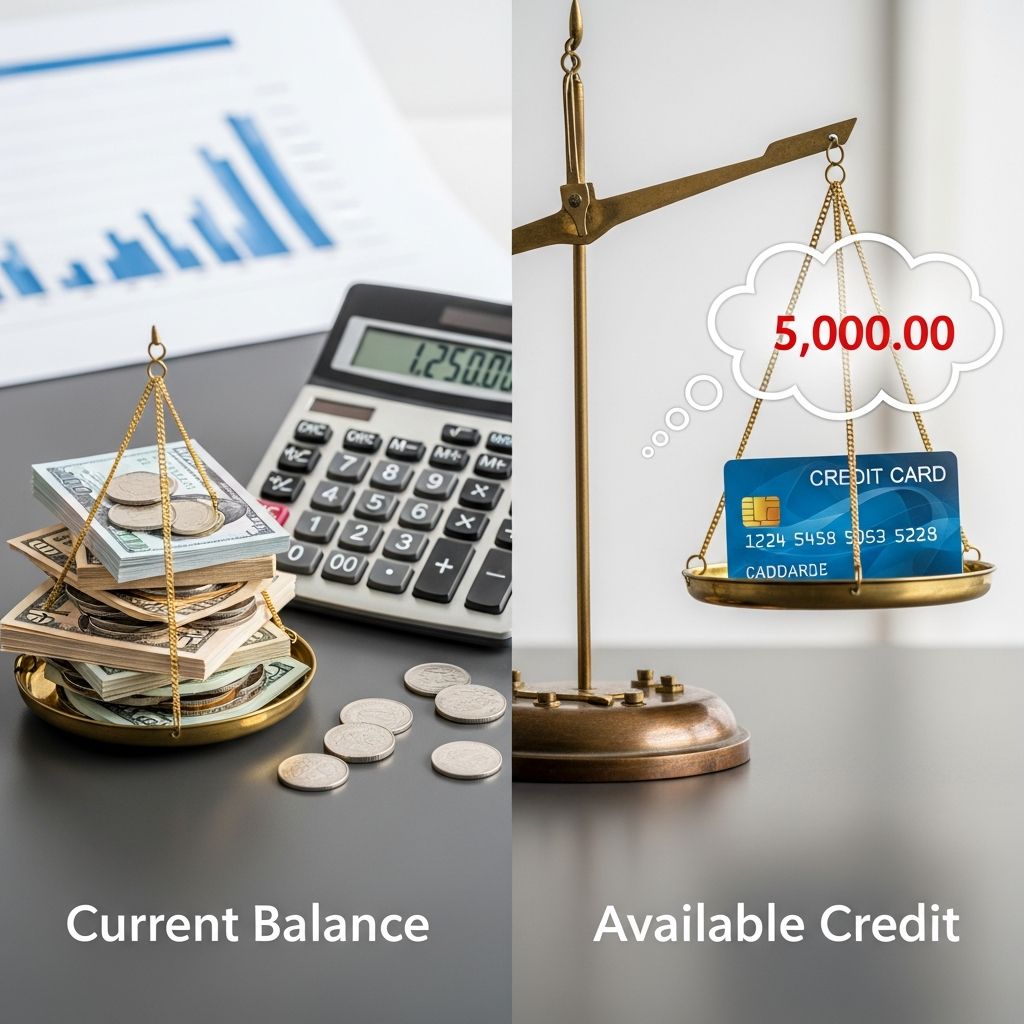
Your
current balance
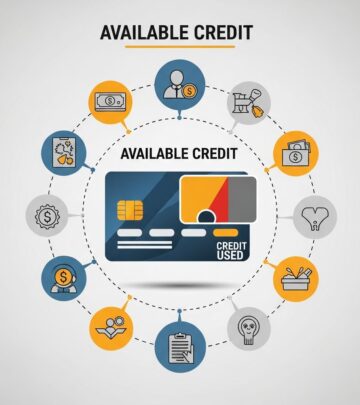
represents the total amount you currently owe on your credit card, including all posted charges, interest, and fees. In contrast,available credit
is the portion of your credit limit that remains open for new spending after subtracting your current balance and any pending transactions.Why These Metrics Matter for Everyday Spending
Understanding the distinction between current balance and available credit empowers you to make informed purchasing decisions and maintain financial stability. The current balance tracks your accumulated debt, growing with every transaction and payment due date approaching. Available credit, however, acts as a real-time gauge of your spending capacity, fluctuating based on activity to prevent overspending.
Confusing these can lead to declined transactions, overdraft-like fees on credit cards, or higher interest accrual. Financial experts emphasize monitoring both to optimize cash flow and credit health, especially in volatile economic times when credit limits might adjust.
Defining Current Balance in Detail
The current balance is a snapshot of all transactions that have posted to your account up to the present moment. This includes purchases, cash advances, balance transfers, accrued interest from previous cycles, and any applicable fees like late payments or over-limit charges.
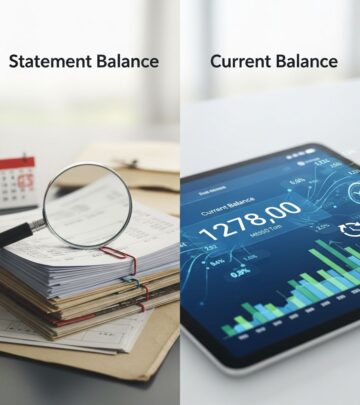
Unlike the statement balance, which is fixed at the end of your billing cycle, the current balance updates continuously as new activity occurs. For instance, if you charge groceries today, it adds immediately to your current balance, even before your statement closes.
- Posts after merchant processing, typically 1-3 business days.
- Includes interest if you’re carrying a balance beyond the grace period.
- Serves as the basis for minimum payment calculations.
Breaking Down Available Credit
Available credit is calculated simply: subtract your current balance and pending transactions from your total credit limit. For a card with a $5,000 limit, a $1,200 current balance, and $300 in pending charges, available credit would be $3,500.
This figure determines whether a purchase will approve at checkout. Card issuers hold pending authorizations—temporary reserves for hotels, gas, or online buys—reducing available credit until they post or drop off, usually within 7 days.
Maintaining high available credit supports lower credit utilization, a major factor (30% of your FICO score), signaling to lenders that you’re not maxing out your accounts.
Key Factors Influencing Available Credit
Several elements dynamically adjust your available credit beyond basic spending:
- Purchases and Payments: Charges reduce it; payments replenish it promptly upon processing.
- Interest and Fees: Monthly interest posts to balance, eroding availability; annual fees do the same.
- Pending Transactions: Authorizations freeze funds temporarily without posting to balance.
- Credit Limit Changes: Issuers may increase or decrease limits, directly impacting availability.
Pro tip: Pay early in the cycle to maximize available credit mid-month when utilization reports to bureaus.
Current Balance Versus Available Credit: A Side-by-Side Comparison
These metrics are inversely related—one rises as the other falls. Here’s a table illustrating their interaction:
| Scenario | Credit Limit | Current Balance | Pending Charges | Available Credit |
|---|---|---|---|---|
| Start of Cycle | $10,000 | $0 | $0 | $10,000 |
| After $2,000 Purchase | $10,000 | $2,000 | $0 | $8,000 |
| Plus $500 Pending Hotel | $10,000 | $2,000 | $500 | $7,500 |
| After $1,000 Payment | $10,000 | $1,000 | $500 | $8,500 |
This example shows real-world flux: spending tightens availability, payments loosen it.
Computing Your Own Numbers: Step-by-Step Guide
To calculate available credit manually:
- Locate your credit limit on your statement or app.
- Subtract current balance (posted transactions + interest/fees).
- Deduct pending authorizations from the online dashboard.
Formula: Available Credit = Credit Limit – (Current Balance + Pending Charges).
Apps from issuers like Chase or Capital One display this live, often with alerts for low thresholds. Cross-check with statements to ensure accuracy amid processing delays.
The Role of Credit Utilization Ratio
Credit utilization—current balance divided by credit limit, expressed as a percentage—is pivotal. Aim under 30% for optimal scores; over 50% can signal risk to lenders.
Available credit indirectly manages this: higher availability allows breathing room without spiking utilization. Multiple cards? Aggregate across all revolving accounts.
Paying down balance before statement closing date minimizes reported utilization, even if current balance remains higher intra-cycle.
Real-Life Scenarios and Pitfalls to Avoid
Scenario 1: You see $2,000 available credit but charge $2,500—declined due to unseen pendings. Solution: Check app before big buys.
Scenario 2: Maxing available credit monthly tanks utilization, hurting score approvals. Counter: Spread spending or request limit increases after good history.
Avoid pitfalls like ignoring pendings (gas pumps reserve $100+), late payments adding fees that cut availability, or cash advances bypassing grace periods.
Strategies to Maximize Available Credit
Boost your spending power proactively:
- Make multiple payments per cycle to keep balance low.
- Request credit limit hikes after 6+ months on-time payments (soft inquiry often).
- Monitor via apps; set low-balance alerts.
- Pay off pendings quickly where possible.
- Consolidate debt to free limits on unused cards.
Building habits like these not only expands availability but enhances score over time.
Available Credit vs. Available Balance: Clarifying Similar Terms
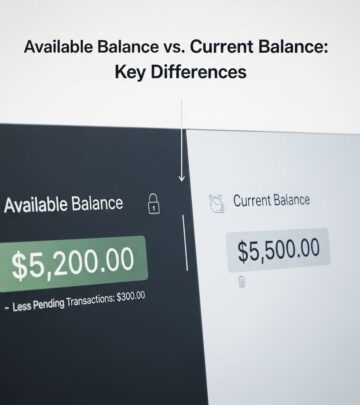
On credit cards, “available credit” and “available balance” mean the same: unused limit post-deductions. Banking differs—available balance excludes holds on debit accounts. Context matters: credit contexts use them interchangeably.
Frequently Asked Questions
What happens if I exceed available credit?
Transactions decline; repeated attempts may incur fees or account restrictions. Pay down balance immediately.
Does paying early restore available credit instantly?
Yes, upon processing, often same day via app payments.
Why is my available credit lower than expected?
Pendings, interest, fees, or limit reductions. Review account details.
Can available credit affect my credit score directly?
Indirectly via utilization. High availability correlates with better scores.
Is statement balance the same as current balance?
No—statement is cycle-end snapshot; current updates live.
Tools and Resources for Monitoring
Leverage issuer apps, free credit monitoring from bureaus (AnnualCreditReport.com, government site), or budgeting apps integrating card data. Track weekly to stay ahead.
For deeper insights, review issuer education pages or CFPB guidelines on responsible card use (consumerfinance.gov).
References
- Current Balance vs. Available Credit: What You Can Really Spend — Remitly. 2023. https://www.remitly.com/blog/finance/current-balance-vs-available-credit/
- What Does Available Credit Mean? — Credit One Bank. 2024-01-15. https://www.creditonebank.com/articles/what-does-available-credit-mean
- What Is Available Credit and How Does It Work? — Capital One. 2025-06-10. https://www.capitalone.com/learn-grow/money-management/what-does-available-credit-mean/
- What is the difference between balance and available balance? — State Employees’ Credit Union. 2024. https://www.sfcu.org/faqs/what-is-the-difference-between-balance-and-available-balance/
- Current Balance And Available Credit Differences — Chase. 2025. https://www.chase.com/personal/credit-cards/education/basics/difference-between-current-balance-and-available-credit
- What Does Available Credit Mean? — Discover. 2024-03-20. https://www.discover.com/credit-cards/card-smarts/what-does-available-credit-mean/
Similar Articles








Read full bio of medha deb