CUNY Hunter College: Rankings, Admissions & Academics
Explore CUNY Hunter College's academics, admissions, rankings, and student experience in detail.
CUNY Hunter College: A Comprehensive College Profile
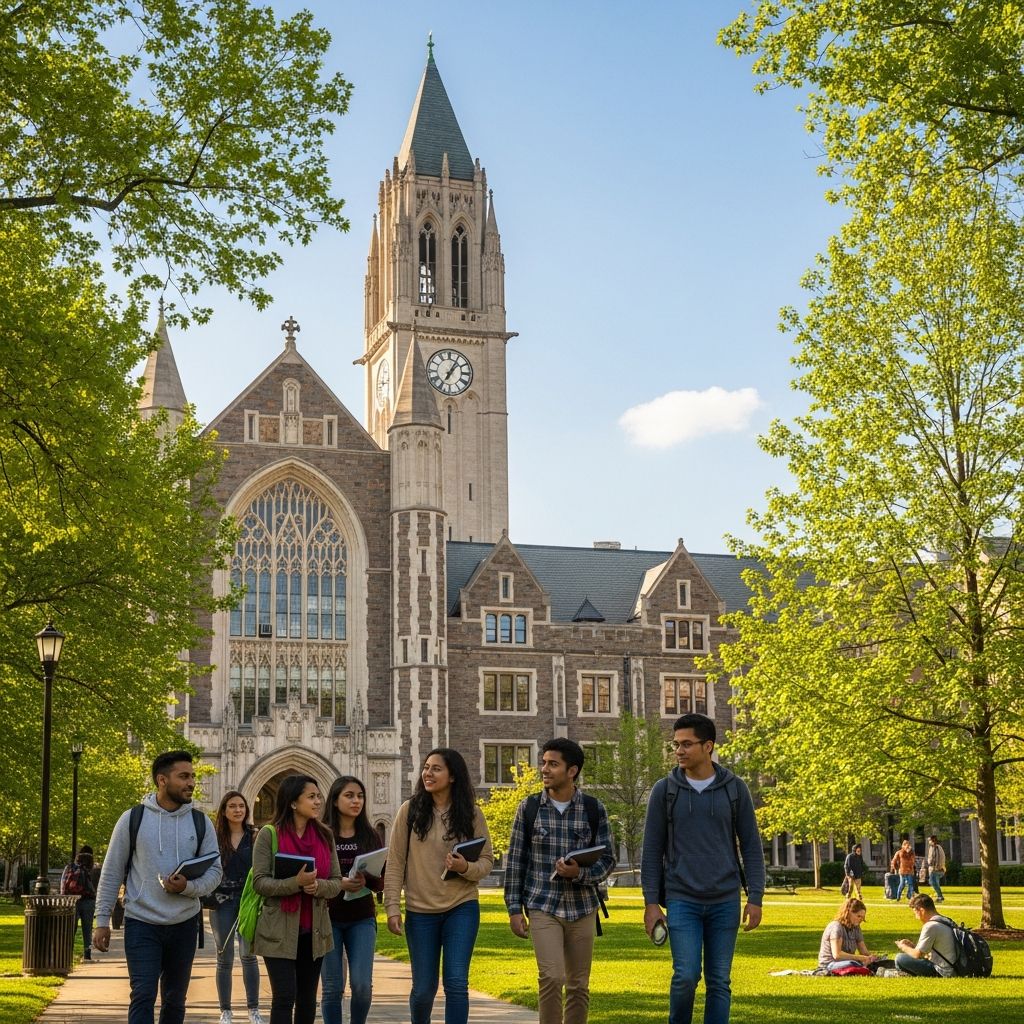
Hunter College stands as one of the flagship institutions within the City University of New York system, serving as a beacon of educational excellence and accessibility for students from diverse backgrounds. Located in the heart of Manhattan, this prestigious public college has been transforming lives and opening doors for over 150 years, equipping students with the knowledge, skills, and global perspective necessary to succeed in an increasingly competitive world. With more than 170 engaging and challenging academic programs, Hunter College attracts ambitious learners seeking quality education at an affordable price point.
Admissions Overview
Hunter College maintains a moderately competitive admissions process, reflecting its status as a sought-after institution within the CUNY system. The college received 32,244 applications in its most recent admissions cycle, with an acceptance rate of 54%, meaning approximately one in every two applicants gained admission. This acceptance rate indicates that while Hunter College is accessible to many qualified students, the institution maintains rigorous academic standards to ensure student success.
Admission decisions at Hunter College are based on a comprehensive review of each applicant’s academic record, including overall grade point average, strength of curriculum, and other relevant factors. The college seeks students who demonstrate academic potential and a commitment to intellectual growth, regardless of their socioeconomic background or zip code.
Academic Excellence and Program Offerings
The academic landscape at Hunter College is remarkably diverse, with programs spanning multiple disciplines and professional fields. The institution is organized into four distinct schools: the School of Arts and Sciences, the School of Education, the School of the Health Professions, and the School of Social Work. This structure allows students to pursue specialized education while maintaining connections to broader liberal arts traditions.
The college offers over 120 undergraduate programs, including 73 bachelor of arts degree programs, 10 bachelor of science degree programs, and 25 bachelor’s-to-master’s joint degree programs. Additionally, Hunter provides five undergraduate certificates and more than 100 graduate programs, ensuring that students have ample opportunities to explore various academic pathways.
Popular majors at Hunter College include Psychology, Biology, and Computer Science, reflecting strong student interest in STEM and health-related fields. The nursing, education, and political science programs also attract significant numbers of undergraduates seeking professional preparation and comprehensive training.
Learning Facilities and Resources
Hunter College provides students with access to specialized learning facilities designed to support academic success across all disciplines. The Dolciani Mathematics Learning Center, Leona and Marcy Chanin Language Center, and Physical Sciences Learning Center offer targeted support for students in these critical subject areas. Furthermore, the college maintains numerous research laboratories in natural and biomedical sciences that accommodate postdoctoral researchers, PhD students from the CUNY Graduate School, and undergraduate researchers seeking hands-on experience.
The Hunter Sportsplex, located below the West Building, serves the college’s sports and recreational programs, providing students with facilities for maintaining physical fitness and engaging in competitive athletics. These comprehensive resources demonstrate Hunter’s commitment to supporting the whole student experience.
Academic Support and Mentorship
While Hunter College offers rigorous coursework and challenging academic programs, the institution recognizes that students require robust support systems to thrive. Many professors maintain regular office hours and participate actively in student mentorship, providing guidance on academic coursework and career development. Tutoring centers are available across campus to assist students in mastering difficult material.
The quality of instruction varies by department and professor, with some STEM instructors receiving praise for their effectiveness while others are noted as less engaged. Despite these variations, most students report that professors are “passionate about what they teach and prefer for students to be active in class.” The college’s advisors consistently receive positive feedback for their willingness to answer questions about careers, class selection, and graduation requirements.
Honors and Recognition Programs
Hunter College offers several prestigious honors programs designed for academically gifted students. The Macaulay Honors College is a CUNY-wide honors program that provides outstanding undergraduates with enhanced educational opportunities. University Scholars at Macaulay benefit from a full tuition scholarship covering in-state tuition, personalized academic advising, early course registration, access to internship opportunities, and study abroad experiences.
Additionally, Hunter operates the Thomas Hunter Honors Program, which recognizes and supports high-achieving students throughout their undergraduate careers. All scholars at Hunter are offered the choice between a free dormitory room at the Brookdale Campus for two years or a yearly stipend, making the honors experience more accessible to students with varying financial circumstances.
Rankings and Recognition
Hunter College has earned significant recognition from leading higher education evaluators, validating its commitment to academic quality and student success. According to U.S. News & World Report’s 2025 Best Colleges rankings, Hunter College ranks number one for social mobility among regional universities in the North. This recognition reflects the college’s mission to provide educational access and opportunity to talented students from all socioeconomic backgrounds.
The Wall Street Journal ranked Hunter College as number two for best value nationally, highlighting the college’s exceptional combination of academic quality and affordability. Additionally, the Princeton Review named Hunter College number six for financial aid among the top 20 public schools in 2026. Third Way designated Hunter College as a Tier 1 school for economic mobility, further underscoring its role in promoting upward social and economic mobility for its students.
Financial Aid and Affordability
One of Hunter College’s most compelling advantages is its exceptional affordability, making quality higher education accessible to students regardless of financial circumstance. Full-time annual tuition for in-state residents is $6,930, while out-of-state residents pay $18,600 annually. These costs are substantially below the national average for both public and private institutions, making Hunter an attractive option for budget-conscious students.
The college’s commitment to financial accessibility extends beyond low tuition rates. Seventy-four percent of Hunter College students receive financial support through grants, scholarships, loans, or other aid mechanisms. Remarkably, 75 percent of Hunter College graduates leave the institution debt-free, reflecting the college’s dedication to ensuring that students can complete their degrees without accumulating excessive student loan debt. This financial accessibility removes barriers to education and allows students to focus on their academic growth rather than financial stress.
Student Body Diversity
Hunter College’s student body represents extraordinary global diversity, with undergraduates representing 154 different countries and speaking 70 different languages. This multicultural environment creates a rich learning atmosphere where students are exposed to diverse perspectives, experiences, and worldviews. Many students report feeling safe and welcomed on campus, with the diverse student community fostering an inclusive atmosphere that promotes representation and belonging.
The college enrolls approximately 23,000 students total, with 13,604 full-time undergraduate students and 3,774 part-time undergraduate students, creating a vibrant campus community. This substantial enrollment ensures that students have ample opportunities to connect with peers who share similar interests while also encountering individuals with different backgrounds and perspectives.
Career Outcomes and Employment
Hunter College’s location in New York City provides students with unparalleled access to internship and career opportunities across virtually every industry and professional field. The city’s thriving economy, diverse business landscape, and extensive professional networks create countless possibilities for students to gain real-world experience during their undergraduate years.
Graduate employment outcomes from Hunter College are strong, with 92 percent of students employed within one year after graduation. Additionally, 57 percent of current students report feeling confident they will find employment in their field after completing their degree, reflecting the college’s success in preparing students for career readiness.
While career services may not be extensively publicized, students consistently express appreciation for the real-world exposure and professional development opportunities available through the college’s location and alumni networks in New York City.
Campus Life and Community Engagement
Hunter College offers numerous clubs and student organizations that allow undergraduates to pursue their interests, develop leadership skills, and build meaningful friendships with peers who share common passions. These organizations span academic interests, cultural heritage, professional development, recreational activities, and social causes, ensuring that students can find community regardless of their specific interests.
The college’s diverse student body and vibrant organizational landscape contribute to a strong sense of community, though students note that social life can be somewhat limited due to the commuter nature of the institution. Many students live in different parts of New York City or commute from the surrounding area rather than living on or near campus, which means that students must be proactive about engaging with campus life and building community connections.
Hunter College’s commitment to inclusivity is further reflected in its curriculum, with the institution being one of the first colleges in the nation to establish a 12-credit curriculum requirement for pluralism and diversity courses. This pioneering approach ensures that all undergraduates, regardless of major, gain exposure to diverse perspectives and learn to think critically about issues of social justice and equity.
Graduation and Student Success
Hunter College’s graduation rate of 61 percent reflects the challenges that many public university students face, including balancing academic work with employment and family responsibilities. While this rate is above the national average for four-year institutions, it also indicates that some students require extended time to complete their degrees or pursue other opportunities.
The college’s commitment to student success is evident in its comprehensive support systems, mentoring programs, and accessible academic resources designed to help students persist and achieve their educational goals.
Strategic Vision and Future Direction
Hunter College is actively engaged in strategic planning to enhance its reputation as a world-class public college and expand opportunities for student success, scholarship, and service to New York City. The college’s strategic initiatives include cultivating creativity and the arts through acclaimed programs in theatre, dance, music, and visual arts, as well as maintaining one of the most selective creative-writing MFA programs in the country.
Additionally, Hunter College is prioritizing the upgrading of facilities across all campuses through critical renovations and the opening of new sites to enrich teaching, learning, and student life. These improvements aim to re-imagine the student experience and create a more vibrant, supportive campus environment.
Frequently Asked Questions
What is Hunter College’s acceptance rate?
Hunter College has an acceptance rate of 54 percent, making it a moderately competitive institution within the CUNY system. The college received 32,244 applications and admitted 17,355 students in its most recent admissions cycle.
What are the tuition costs at Hunter College?
Full-time annual tuition for in-state residents is $6,930, while out-of-state residents pay $18,600 per year. These rates make Hunter College one of the most affordable options for quality higher education in the United States.
What academic programs does Hunter College offer?
Hunter College offers more than 170 undergraduate and graduate academic programs across four schools: Arts and Sciences, Education, Health Professions, and Social Work. Popular majors include Psychology, Biology, Computer Science, Nursing, Political Science, and Education.
What is Hunter College’s graduation rate?
Hunter College’s six-year graduation rate is 61 percent, and 92 percent of graduates are employed within one year of completing their degree.
Does Hunter College offer financial aid?
Yes, 74 percent of Hunter College students receive financial support. Remarkably, 75 percent of Hunter College graduates graduate debt-free, making the college an excellent choice for students concerned about student loan debt.
What honors programs are available at Hunter College?
Hunter College offers the Macaulay Honors College and the Thomas Hunter Honors Program. Macaulay scholars receive full tuition scholarships, personalized advising, early registration, internship access, and study abroad opportunities.
How diverse is Hunter College’s student body?
Hunter College’s student body represents 154 countries and speaks 70 different languages, creating an exceptionally multicultural learning environment that fosters cross-cultural understanding and global perspective.
References
- CUNY Hunter College — Niche. 2025. https://www.niche.com/colleges/cuny-hunter-college/
- About Hunter’s Legacy — Hunter College. 2025. https://www.hunter.cuny.edu/about/
- Hunter College — Wikipedia. 2024. https://en.wikipedia.org/wiki/Hunter_College
- City University of New York—Hunter College (CUNY) — Princeton Review. 2025. https://www.princetonreview.com/college/city-university-of-new-york-hunter-college-1023469
- Hunter College Facts and Statistics — Hunter College. 2025. https://www.hunter.cuny.edu/about/facts-and-statistics/
- Our Strategic Plan — Hunter College. 2025. https://www.hunter.cuny.edu/about/strategic-plan/
- Freshman Admission — Hunter College. 2025. https://www.hunter.cuny.edu/students/admissions/undergraduate/apply/freshman/
Similar Articles








Read full bio of medha deb