Culture Shock: Definition, Causes, and Coping Strategies
Understanding culture shock: phases, effects, and strategies to adapt successfully.
Culture Shock: Definition and Overview
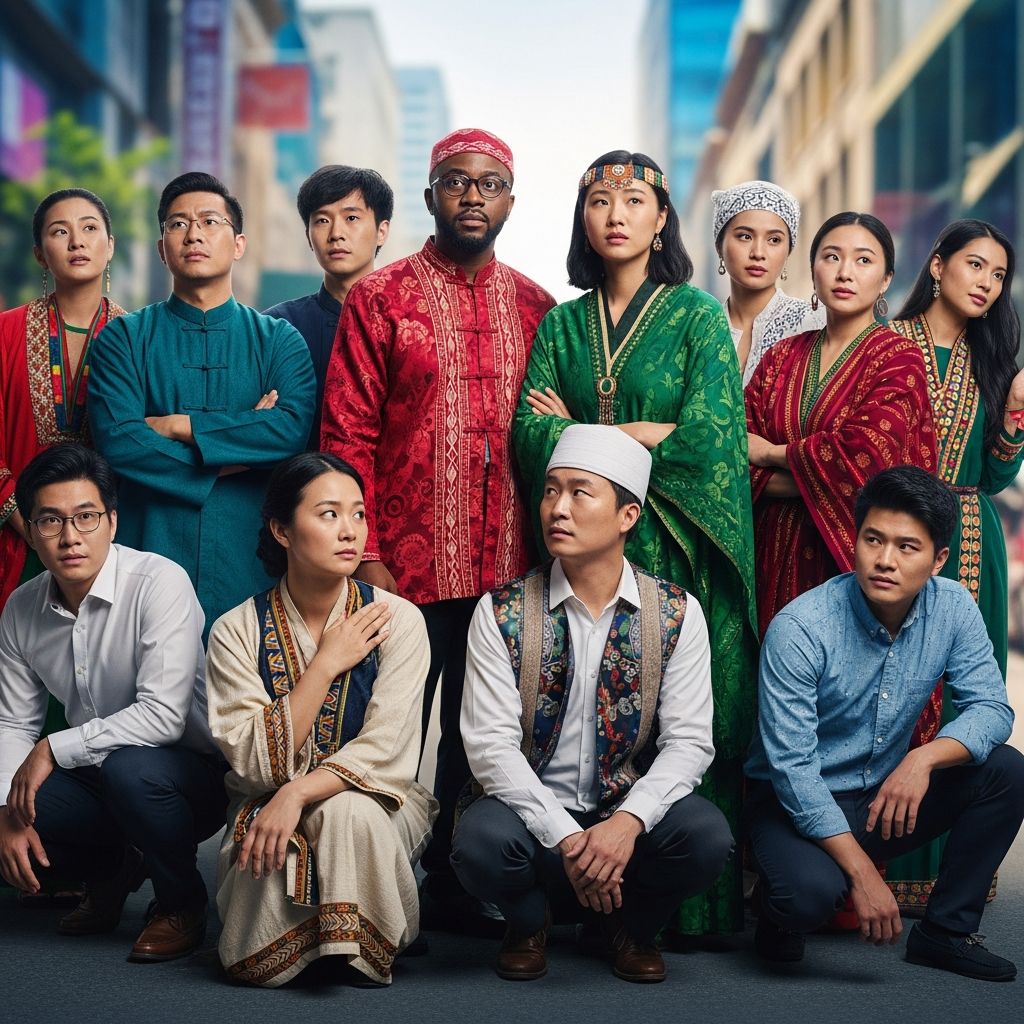
Culture shock is a psychological and emotional experience that occurs when individuals move from their familiar cultural environment to an unfamiliar one. The term describes the personal disorientation and stress that people may experience when leaving their native culture to live in a different cultural setting, whether temporarily or permanently. This phenomenon is not uncommon—it can affect study-abroad students, international business professionals, military personnel, immigrants, and anyone transitioning to a new geographic or social environment with substantially different cultural norms and values.
Culture shock is generally recognized as a normal adaptive process rather than a psychological disorder. It represents the period during which individuals become acutely aware of differences and potential conflicts between their home culture’s values and customs and those of the new culture they are experiencing. Understanding this phenomenon is crucial for anyone considering an international move, extended travel, or cultural transition.
What Causes Culture Shock?
Culture shock arises from the significant differences between an individual’s home culture and the host culture. Several specific factors contribute to the intensity and duration of culture shock:
- Familiarity with and knowledge of the new culture prior to arrival
- Expectations about life in the new location versus reality
- Duration of stay in the new region
- Ability to communicate effectively with members of the new culture
- Time available to prepare for the move
- Degree of cultural difference between home and host cultures
It is important to note that not everyone who relocates experiences culture shock to the same degree, and some individuals may not experience it at all. Personal characteristics, preparation level, and flexibility all influence how severely culture shock affects individuals.
The Four Phases of Culture Shock Adjustment
Researcher Sverre Lysgaard developed the widely-accepted U-shaped adjustment curve model in 1955 after studying 200 Norwegian Fulbright scholars. This model identifies four distinct phases that most individuals progress through when adapting to a new culture, though the intensity, duration, and sequence may vary among individuals.Phase 1: The Honeymoon Phase
The honeymoon phase is the initial period following arrival in a new culture. During this stage, individuals typically feel excitement, enthusiasm, and optimism about their new surroundings. They may overlook cultural differences and find the novelty of their environment energizing and stimulating. This phase is characterized by positive emotions and curiosity about local customs, cuisine, and attractions. Many people in this phase actively explore their new environment and feel motivated to learn about the host culture.
Phase 2: The Crisis Phase
The crisis phase, also called the negotiation phase, is when culture shock typically manifests most intensely. As the initial excitement fades and individuals must navigate daily challenges, they become acutely aware of cultural differences. This phase is characterized by stress, anxiety, and frustration resulting from ongoing challenges such as language barriers, difficulty with social interactions, confusion about unwritten social rules, and adjustment to new cultural norms.
During the crisis phase, individuals may experience a range of negative emotions including anger, loneliness, homesickness, and self-doubt about their abilities at work or school. Some people tend to isolate themselves from local residents and seek out communities of people from their home culture, creating a comfort zone that delays adaptation. This phase’s duration depends on an individual’s ability and willingness to assimilate and embrace the new culture.
Phase 3: The Recovery Phase
The recovery phase marks a significant turning point in the adjustment process. During this stage, individuals begin to recognize that they must find ways to function effectively within their new cultural environment. They gradually become more comfortable and start developing practical skills for navigating daily life. This phase involves learning how to handle new cultural experiences, establishing relationships with members of the host society, and gaining greater familiarity with local customs and expectations.
As individuals progress through the recovery phase, their confidence begins to increase, and they start viewing cultural differences with greater curiosity rather than frustration. This phase often brings a notable improvement in mood and outlook as people realize they are capable of adapting successfully.
Phase 4: The Adjustment Phase (Mastery Phase)
The adjustment phase, also known as the mastery phase, represents the final stage of cultural adaptation. By this point, individuals feel confident and comfortable in their host culture. They have developed effective communication skills, formed meaningful relationships with local residents, and successfully navigated school, work, and social situations. This phase is characterized by genuine acceptance and appreciation of the new culture’s values, customs, and ways of life.
In the adjustment phase, individuals typically establish a support system within their new community that helps them manage stress and challenges when they arise. They no longer view themselves as temporary outsiders but as integrated members of the new cultural community, though they may continue to maintain connections to their home culture.
Recognizing Symptoms of Culture Shock
Culture shock manifests through various emotional, behavioral, and physical symptoms. Recognizing these signs is important for understanding what you or others may be experiencing and for seeking appropriate support. Common symptoms include:
- Anxiety and nervousness about unfamiliar situations
- Anger or irritability toward aspects of the new culture
- Loneliness and isolation despite being surrounded by people
- Homesickness and persistent thoughts about home
- Confusion and difficulty understanding social norms
- Loss of confidence in personal abilities
- Sleep disturbances or changes in eating habits
- Difficulty concentrating or remembering information
- Sadness or depression
- Physical symptoms such as headaches or fatigue
These symptoms typically emerge during the crisis phase but may persist into the recovery phase as individuals continue adjusting. Understanding that these symptoms are normal and temporary can help individuals maintain perspective during challenging periods.
Effective Coping Strategies for Culture Shock
While culture shock cannot be entirely prevented, several evidence-based strategies can significantly reduce its intensity and duration. Implementing these approaches before, during, and after arrival in a new culture can facilitate smoother adaptation:
Pre-Departure Preparation
One of the most effective strategies is thorough preparation before departing for a new culture. Research the host country extensively, including its history, values, customs, social norms, and current events. Learn basic phrases in the local language, even if English is widely spoken. Understanding what to expect can dramatically reduce the shock of cultural differences and help you feel more confident upon arrival.
Maintain Connections to Home Culture
While adapting to a new culture, maintaining some connections to your home culture can provide emotional stability and support. Stay in touch with family and friends through regular communication. Participate in cultural organizations or communities within your new location. However, balance this with genuine engagement with the local culture to avoid prolonged isolation.
Develop Language Skills
Language barriers are a significant source of culture shock. Making genuine efforts to learn the local language demonstrates respect for the host culture and facilitates meaningful communication. Even basic proficiency can reduce anxiety and help you navigate daily situations more effectively.
Build a Support Network
Actively seek connections with both local residents and other expatriates. Join clubs, attend community events, volunteer, or take classes where you can meet people. A strong support system provides practical advice, emotional support, and opportunities for social engagement, all of which accelerate adaptation.
Practice Self-Care and Flexibility
Maintain healthy habits including regular exercise, adequate sleep, and proper nutrition. These foundational practices support emotional resilience. Additionally, approach cultural differences with curiosity and flexibility rather than judgment. Recognize that differences are not inherently good or bad—they are simply different.
Reverse Culture Shock
An often-overlooked aspect of cultural transition is reverse culture shock, which occurs when individuals return to their home culture after an extended period abroad. After experiencing significant personal growth and cultural adaptation, returning home can feel surprisingly disorienting. Individuals may feel disconnected from aspects of their home culture they previously took for granted, or they may struggle to communicate their experiences to friends and family who did not share them.
Reverse culture shock demonstrates that cultural adjustment is a complex, ongoing process. Individuals who have successfully adapted to a new culture may find reintegration into their home environment challenging, highlighting how profoundly international experiences can change our perspectives and identities.
Key Factors Influencing Adaptation Success
Research indicates that several factors significantly influence how successfully individuals adapt to new cultures. Understanding these factors can help individuals assess potential challenges and develop targeted strategies:
| Factor | Impact on Adaptation |
|---|---|
| Prior cultural knowledge | Greater familiarity with host culture facilitates faster adaptation |
| Language proficiency | Better communication skills reduce anxiety and improve social integration |
| Preparation time | Adequate time to prepare mentally and practically improves outcomes |
| Duration of stay | Longer stays allow progression through all adjustment phases |
| Personality traits | Flexibility, openness, and resilience enhance adaptation ability |
| Degree of cultural difference | Greater cultural differences typically require longer adjustment periods |
| Support systems | Strong social networks accelerate integration and reduce isolation |
Frequently Asked Questions About Culture Shock
Q: How long does culture shock typically last?
A: Culture shock duration varies significantly among individuals, typically lasting from a few weeks to several months. Some sources suggest that a semester-long study abroad experience produces most or all phases of the adjustment curve. However, factors such as personality, preparation level, and the degree of cultural difference influence the timeline. The recovery and adjustment phases may extend over several months or even longer for major life relocations.
Q: Is culture shock a sign of weakness or failure?
A: No. Culture shock is a normal, universal psychological response to significant environmental and cultural change. It reflects the brain’s natural adjustment process rather than personal inadequacy. Even highly accomplished, culturally sensitive individuals experience culture shock when transitioning to substantially different cultural environments.
Q: Can culture shock be completely prevented?
A: Culture shock cannot be entirely prevented, as individuals in any society are personally affected by cultural contrasts differently. However, thorough preparation, research, language learning, and realistic expectations can significantly reduce its severity and duration. The goal is not to eliminate culture shock but to manage it effectively.
Q: What is the difference between culture shock and homesickness?
A: While related, these experiences are distinct. Homesickness involves missing people, places, and familiar aspects of home. Culture shock encompasses the broader disorientation resulting from unfamiliar cultural norms, values, communication styles, and daily practices. An individual can experience homesickness without culture shock or vice versa, though they often occur together.
Q: Should I isolate myself and spend time only with people from my home country?
A: While maintaining some connections to your home culture provides comfort and support, isolation from the local culture typically prolongs the adjustment process. The most successful adaptation involves balanced engagement—maintaining some home culture connections while actively participating in and learning about the host culture. This balanced approach accelerates progression through the adjustment phases.
Q: How can employers help employees experiencing culture shock during international assignments?
A: Employers can facilitate successful adaptation by providing pre-departure cultural training, language instruction, mentorship programs, and support networks. Creating an inclusive workplace environment, allowing adjustment time before full productivity expectations, and offering counseling services demonstrate institutional commitment to employee wellbeing and success during international assignments.
References
- Culture shock — EBSCO Research Starters. 2025. https://www.ebsco.com/research-starters/communication-and-mass-media/culture-shock
- Culture Shock — University of Kansas Counseling and Psychological Services. 2025. https://caps.ku.edu/culture-shock
- Effects and remedies to cultural shock on the adolescent students — MedCrave Online Journal. 2025. https://medcraveonline.com/SIJ/effects-and-remedies-to-cultural-shock-on-the-adolescent-students.html
- Culture Shock — Rider University Office of International Education. 2025. https://studyabroad.rider.edu/
- The Psychology of Culture Shock — Verto Education. 2025. https://vertoeducation.org/blog/psychology-of-culture-shock/
Similar Articles








Read full bio of Sneha Tete