Cryptocurrency ATMs: Digital Asset Access
Explore how crypto ATMs revolutionize digital currency purchasing and selling
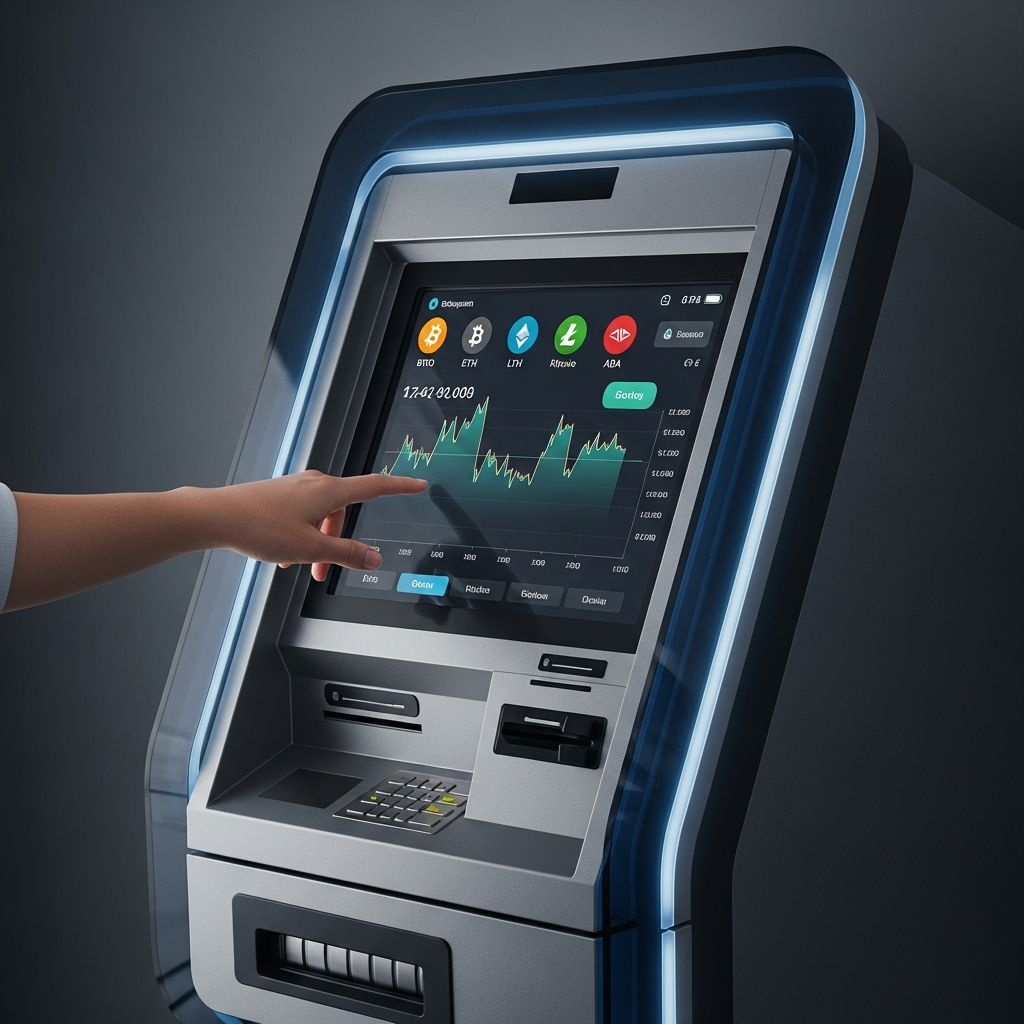
The financial landscape has undergone significant transformation with the emergence of cryptocurrency technology. One of the most accessible innovations in this space is the cryptocurrency automated teller machine, commonly known as a crypto ATM or Bitcoin kiosk. These machines have democratized access to digital currencies by allowing individuals to purchase and exchange cryptocurrencies without requiring traditional bank accounts or online cryptocurrency exchange platforms. As of 2025, more than 38,000 cryptocurrency ATMs operate worldwide, with the United States hosting the majority of these installations. This proliferation demonstrates the growing mainstream acceptance of digital assets and the demand for convenient purchasing mechanisms.
Defining Cryptocurrency ATMs and Their Core Function
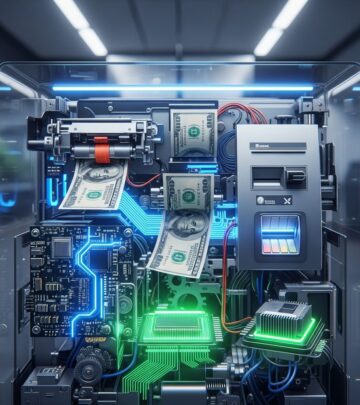
A cryptocurrency ATM is a physical kiosk designed to facilitate the exchange of traditional fiat currency for digital assets. Unlike conventional bank ATMs that dispense cash from your personal account, these machines operate on an entirely different principle. When you use a crypto ATM, you are not withdrawing funds from an existing account. Instead, you are converting physical money or debit card payments into cryptocurrency that gets transferred directly to your digital wallet.
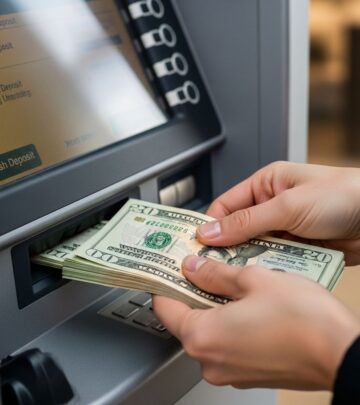
The basic operational concept is straightforward: users insert cash or swipe a debit card into the machine, specify which cryptocurrency they wish to purchase, and provide their wallet address. The machine then calculates the equivalent amount of cryptocurrency based on current market rates, deducts applicable fees, and initiates the transfer to the specified wallet. Some advanced machines also offer bidirectional functionality, enabling users to not only purchase cryptocurrencies but also sell them in exchange for cash.
How Cryptocurrency ATMs Operate: A Step-by-Step Process
Understanding the operational workflow of cryptocurrency ATMs helps users navigate these machines with confidence and security awareness. The process, while technologically sophisticated behind the scenes, is designed to be user-friendly for individuals of varying technical expertise levels.
Initial Setup and Authentication
The first step in using a cryptocurrency ATM involves initiating a transaction by selecting the “Buy” or “Sell” option on the machine’s touchscreen interface. Following this selection, most operators require some form of identity verification. Depending on the machine’s security protocols and transaction size, this verification can range from entering a phone number to scanning a government-issued identification document. Some machines employ text message confirmation as an additional security layer, sending a verification code to the user’s phone to authorize the transaction.
Currency Selection and Amount Specification
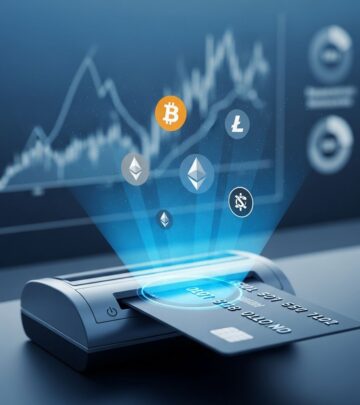
After authentication, users must specify which cryptocurrency they wish to acquire. While Bitcoin remains the most widely available option at crypto ATMs, many machines now support multiple cryptocurrencies including Ethereum, Litecoin, Tether, and Monero. Users then enter the amount of fiat currency they intend to convert. The machine displays the equivalent cryptocurrency amount based on real-time market rates, allowing users to see the exact quantity they will receive before confirming their transaction.
Wallet Address Provision and Payment Processing
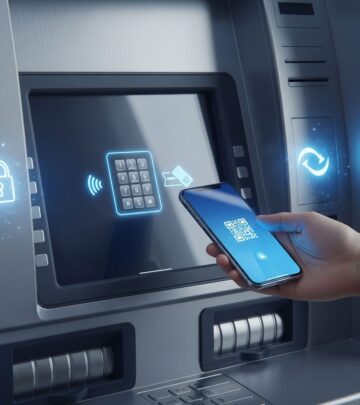
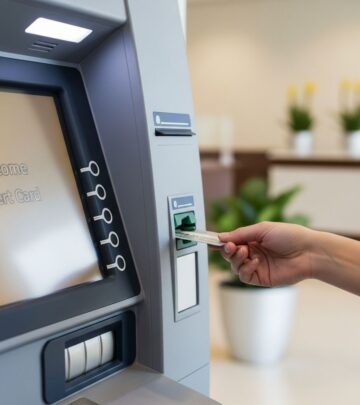
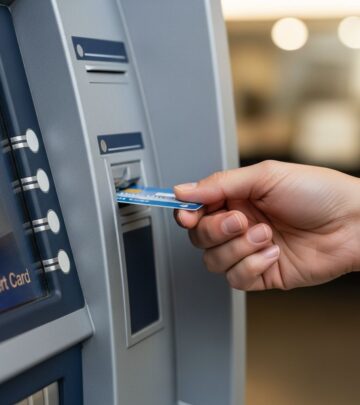
The next critical step involves providing a wallet address where the purchased cryptocurrency will be deposited. Users can either manually enter an existing wallet address or scan a QR code using their mobile device. Some machines offer the convenience of creating a new wallet on the spot, though most users prefer to use existing wallets they control. Once the wallet address is confirmed, users insert their chosen payment method—either physical cash or a debit/credit card. The machine processes the payment and calculates the final cryptocurrency amount after deducting transaction fees.
Transaction Completion and Settlement
Upon successful payment processing, the cryptocurrency transfer is initiated. Users typically receive a transaction receipt from the machine displaying the amount purchased, fees charged, and confirmation details. However, blockchain network conditions affect settlement timing. Bitcoin transactions, for instance, may take anywhere from 10 minutes to several hours to confirm on the network, depending on current congestion levels and transaction priority settings.
Comparing Cryptocurrency ATMs with Traditional Banking Terminals
While cryptocurrency ATMs share superficial similarities with conventional bank ATMs, their underlying mechanics and purposes differ substantially. Traditional ATMs connect to banking networks and operate within established financial infrastructure, allowing account holders to withdraw funds from their checking or savings accounts, check balances, and perform other standard banking operations.
Cryptocurrency ATMs, conversely, connect to blockchain networks rather than banking systems. They do not access personal accounts or pre-existing funds. Instead, these machines function as intermediaries facilitating peer-to-peer currency conversion. Traditional ATMs are typically limited to specific financial institutions and geographic regions, whereas crypto ATMs operate through independent providers using decentralized blockchain technology. Additionally, crypto ATMs enable users without bank accounts to access digital currencies, potentially serving unbanked and underbanked populations.
Fee Structures and Cost Considerations
One of the most significant distinctions between cryptocurrency ATMs and online exchanges involves pricing. Cryptocurrency ATM operators typically charge substantially higher fees than online platforms. Fees range from 5% to 15% of the transaction amount, depending on several variables including the specific machine, operator policies, cryptocurrency type, and transaction size. This premium reflects the convenience factor, real-time processing, and operational costs associated with maintaining physical kiosks.
Users should recognize that these fees can substantially impact the cost-effectiveness of their purchases. For instance, purchasing $200 worth of Bitcoin at a 10% fee results in an additional $20 cost. For frequent cryptocurrency purchasers or those making larger transactions, these cumulative fees may justify exploring alternative acquisition methods such as online exchanges or peer-to-peer transactions that typically offer lower percentage-based fees.
Machine Types and Transaction Capabilities
Not all cryptocurrency ATMs offer identical functionality. The market features two primary categories of machines, each serving different user needs and preferences.
Buy-Only Machines
The majority of cryptocurrency ATMs currently deployed worldwide are designed exclusively for purchasing digital assets. These machines accept fiat currency or debit card payments and transfer corresponding cryptocurrency amounts to user wallets. Buy-only machines represent the most common configuration due to their simpler operational requirements and lower technical complexity.
Bidirectional ATMs
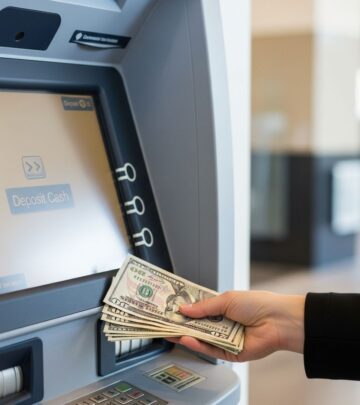
A smaller but growing segment of cryptocurrency ATMs offers bidirectional functionality, enabling both buying and selling operations. These advanced machines allow users to deposit cryptocurrency from their wallets and receive equivalent fiat currency payments. Bidirectional ATMs provide users with greater flexibility and liquidity options, though they command higher operational requirements from machine operators and remain less prevalent than their buy-only counterparts.
Geographic Distribution and Accessibility
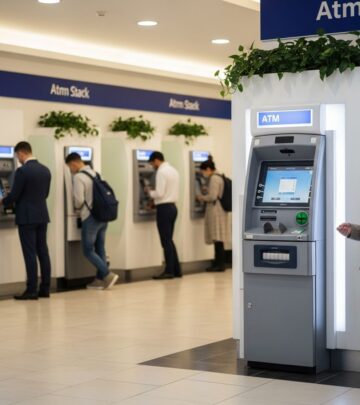
The global cryptocurrency ATM infrastructure has expanded dramatically in recent years. As of 2024, over 35,000 Bitcoin ATMs existed worldwide, with approximately 32,180 installations in the United States alone. These machines are strategically positioned in accessible public locations including grocery stores, gas stations, convenience stores, shopping centers, and transit hubs. This widespread geographic distribution ensures that cryptocurrency purchasing options are available to most users within reasonable proximity.
The concentration of machines in major metropolitan areas tends to be higher than in rural regions, though this disparity continues to narrow as adoption increases. Users can easily locate nearby cryptocurrency ATMs using online directories and mobile applications that provide real-time information about machine locations, available cryptocurrencies, and current fee structures.
Security and Ownership Considerations
Cryptocurrency ATM transactions operate on a non-custodial basis, meaning users maintain complete ownership and control over their purchased digital assets. Unlike traditional cryptocurrency exchanges that hold user funds in company-controlled wallets, crypto ATMs transfer purchased cryptocurrencies directly to user-specified wallet addresses. This arrangement eliminates counterparty risk associated with exchange platforms that could become subject to hacking, regulatory actions, or financial failures.
However, users bear responsibility for securing their wallet access credentials. Loss of wallet passwords or private keys results in permanent loss of funds, as no recovery mechanism exists for decentralized wallet systems. Users should employ secure wallet storage practices and backup procedures before engaging in ATM transactions.
Identity Verification and Regulatory Compliance
Cryptocurrency ATM operators function under regulatory oversight in most jurisdictions. These machines are operated by third-party service providers registered with government authorities and subject to Anti-Money Laundering regulations. Identity verification requirements vary based on transaction amounts and regional regulatory frameworks. Smaller purchases may require minimal identification information, while larger transactions necessitate comprehensive identity verification including government-issued identification documents.
These compliance measures, while adding procedural steps to the transaction process, serve important functions in preventing illicit financial activities and ensuring legitimate operation within established legal frameworks.
Supported Cryptocurrencies and Payment Methods
Modern cryptocurrency ATMs support multiple digital asset types beyond Bitcoin. Available cryptocurrencies typically include Ethereum, Litecoin, Tether, Monero, and Ripple. Payment methods accepted by these machines generally comprise physical currency and debit cards, with some machines also accepting credit cards depending on operator policies.
The specific cryptocurrencies and payment methods available vary by individual machine and operator. Users should verify available options before initiating transactions at unfamiliar machines.
Transaction Speed and Network Considerations
One significant advantage of cryptocurrency ATMs compared to online exchanges involves transaction immediacy. ATM transactions are processed in minutes, whereas online exchange transactions may require hours or days for completion. However, while the ATM interface provides immediate feedback, actual blockchain settlement depends on network conditions. Bitcoin transactions, for example, may require 10 minutes to several hours for full confirmation depending on network congestion.
Use Cases and User Benefits
Cryptocurrency ATMs serve diverse user populations and use cases. Individuals without traditional bank accounts can access digital currencies without requiring banking relationships. Users preferring privacy over exchange-based account creation can execute transactions while maintaining anonymity relative to online platforms. Cryptocurrency enthusiasts appreciate the convenience of immediate physical access to purchasing mechanisms. Additionally, cryptocurrency ATM accessibility supports financial inclusion objectives by providing unbanked populations with pathways to digital asset participation.
Risk Considerations and Best Practices
While cryptocurrency ATMs provide convenient access to digital assets, users should remain vigilant regarding potential risks. The rapid transaction confirmation that appeals to legitimate users also attracts fraudulent activities. Scammers may manipulate users into depositing funds at cryptocurrency ATMs for fraudulent purposes. Users should independently verify all transaction details, ensure wallet addresses are correctly entered, and avoid pressure to complete transactions quickly.
Additionally, users should carefully evaluate fee structures before proceeding, as high percentages can substantially impact net cryptocurrency acquisition amounts. Comparing ATM fees with alternative purchasing methods enables more economically efficient decision-making.
Frequently Asked Questions
Can I withdraw cash directly from a cryptocurrency ATM like a traditional ATM?
No. Cryptocurrency ATMs do not dispense cash from personal accounts. Instead, they convert fiat currency into digital assets. Only bidirectional machines enable cash withdrawal through cryptocurrency sales.
What identification do I need to use a cryptocurrency ATM?
Identification requirements vary by machine and transaction amount. Smaller purchases may require only a phone number, while larger transactions may require government-issued identification documents.
How long does a cryptocurrency ATM transaction take to complete?
ATM processing typically completes within minutes. However, actual blockchain settlement may require 10 minutes to several hours depending on network conditions.
Are cryptocurrency ATM transactions reversible?
Cryptocurrency transactions are generally irreversible once confirmed on the blockchain. Users must carefully verify all details before confirming transactions.
What happens if I enter an incorrect wallet address?
Funds sent to an incorrect wallet address are typically unrecoverable. Users should carefully verify wallet addresses before transaction confirmation.
References
- Bitcoin ATM — Ledger Academy. 2024-09-10. https://www.ledger.com/academy/glossary/bitcoin-atm
- What Are Bitcoin ATMs? How They Work And How To Use Them — Bankrate. 2025. https://www.bankrate.com/banking/what-are-bitcoin-atms/
- What is a bitcoin ATM? — Amplify Credit Union. https://www.goamplify.com/blog/idprotection/bitcoin-atms/
- Crypto ATMs — North Dakota Department of Financial Institutions. https://www.nd.gov/dfi/education-and-other-resources/crypto-atms
- What is a crypto ATM? — BitIRA. https://www.bitira.com/crypto-atms/
- 6 Reasons Why You Should Use a Bitcoin ATM — CoinFlip. https://coinflip.tech/blog/6-reasons-why-you-should-use-a-bitcoin-atm
Similar Articles








Read full bio of Sneha Tete