Crypto Investing Basics: 5 Steps To Your First Investment
Unlock the world of digital assets with our step-by-step guide designed for newcomers seeking secure entry into cryptocurrency markets.

Entering the realm of cryptocurrency offers opportunities for portfolio diversification amid rapid technological evolution. This guide equips novices with foundational knowledge to navigate exchanges, select assets, secure holdings, and craft sustainable strategies, emphasizing caution in a volatile landscape.
Grasping the Fundamentals of Digital Currencies
Cryptocurrencies function as decentralized digital assets secured by cryptography on blockchain networks, enabling peer-to-peer transactions without intermediaries like banks. Blockchain, a distributed ledger, records all transactions transparently and immutably across nodes, ensuring integrity and reducing fraud risks.
Key attributes include limited token supply for assets like Bitcoin, which caps at 21 million coins to mimic scarcity akin to gold; network fees that compensate validators for processing transactions; and mechanisms like token burns that permanently remove coins to potentially increase value. Beginners should prioritize understanding these to assess long-term viability.
Selecting Reliable Platforms for Transactions
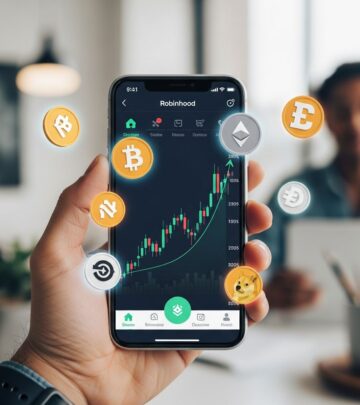
Choosing a reputable cryptocurrency exchange forms the cornerstone of safe investing. These platforms act as marketplaces facilitating buys, sells, and trades of digital assets using fiat currencies or other cryptos. Opt for beginner-friendly options with intuitive interfaces, robust security, and regulatory compliance.
Popular exchanges often support major coins and provide educational resources. Verify features like two-factor authentication (2FA), insurance against hacks, and proof-of-reserves audits. Brokers interfacing with exchanges simplify processes by matching buyers and sellers automatically.
Top Cryptocurrencies for New Investors
Focus on established coins with proven track records to minimize initial risks. Here’s a comparison of leading options suitable for starters:
| Cryptocurrency | Key Features | Best For | Market Position |
|---|---|---|---|
| Bitcoin (BTC) | Original crypto, fixed supply of 21M, widely accepted | Long-term store of value | Most valuable by market cap |
| Ethereum (ETH) | Smart contracts, dApps platform, upgradeable network | Utility and innovation exposure | Second-largest, DeFi leader |
| Litecoin (LTC) | Faster blocks, lower fees than BTC | Quick transactions | Reliable alternative |
| Binance Coin (BNB) | Exchange utility, DeFi integration, fee discounts | Trading efficiency | Exchange ecosystem token |
Bitcoin remains the benchmark due to its dominance and liquidity, while Ethereum’s ecosystem supports advanced applications. Diversify across 2-3 to spread exposure.
Securing Your Assets with Wallets
Post-purchase, transfer assets to a personal wallet for control. Wallets store private keys granting access to funds, categorized as hot (internet-connected, convenient for trading) or cold (offline, superior security for holding).
- Hot Wallets: Software apps or exchange-based; ideal for frequent use but vulnerable to hacks.
- Cold Wallets: Hardware devices like USBs; protect against online threats via air-gapping.
- Custodial vs. Non-Custodial: Exchanges hold keys (custodial, easier); self-managed (non-custodial, full ownership).
Enable 2FA, use unique seed phrases stored offline, and avoid sharing keys. For beginners, start with exchange wallets before graduating to hardware.
Step-by-Step Process to Your First Investment
- Research and Plan: Define goals (e.g., growth, hedge), risk tolerance, and allocate no more than 5-10% of portfolio to crypto.
- Sign Up and Verify: Create exchange account, complete KYC with ID for compliance.
- Fund Account: Deposit via bank transfer or card; watch for fees.
- Buy Assets: Search ticker (e.g., BTC/USD), enter amount—even fractions are purchasable.
- Withdraw to Wallet: Move holdings off-exchange promptly for security.
Fractional buying lowers entry barriers; $50 can acquire meaningful BTC exposure.
Developing Effective Investment Approaches
Strategies align with time horizons and risk appetites. Long-term holders favor dollar-cost averaging (DCA): investing fixed sums regularly to average costs amid volatility.
Active traders explore:
- HODLing: Buy-and-hold through cycles, betting on adoption growth.
- Swing Trading: Capture multi-day price swings using technical analysis.
- Day Trading: Intraday positions; high-risk, demands constant monitoring—not for novices.
Indirect exposure via ETFs or ETPs tracking crypto prices suits those avoiding direct custody. Set stop-losses to cap losses.
Navigating Volatility and Protecting Capital
Crypto markets swing wildly due to speculation, regulation news, and macro events; prices can halve or double rapidly. Mitigate by:
- Investing only disposable funds.
- Diversifying across assets and sectors.
- Staying informed via reputable sources, ignoring hype.
- Using tools like portfolio trackers.
Common pitfalls: FOMO buys at peaks, panic sells at troughs, scams via phishing. Research tokens’ whitepapers, teams, and communities.
Regulatory and Tax Considerations
Governments increasingly oversee crypto; U.S. treats gains as capital assets taxable upon sale. Track transactions meticulously using tools like Koinly. Expect evolving rules on stablecoins and staking rewards.
Choose regulated platforms; monitor IRS guidelines for reporting thresholds.
Advanced Avenues Beyond Spot Trading
Once comfortable, explore staking (earn yields by locking assets), DeFi lending, or NFTs. Crypto futures and options amplify exposure but heighten risks. ETFs bundling blockchain firms provide thematic bets without wallet management.
Frequently Asked Questions
Is cryptocurrency a good investment for beginners?
Potentially, if limited to small allocations; high rewards pair with substantial risks—prioritize education.
How much should I invest initially?
Start with $100-500 to learn without peril; scale based on comfort.
What’s safer: exchange or wallet storage?
Wallets for long-term; exchanges for active trading with insured options.
Can I lose all my crypto investment?
Yes, due to volatility, hacks, or errors—never invest more than you can afford to lose.
How do I predict crypto prices?
No reliable method; use fundamentals, charts, but past performance isn’t indicative.
Building Habits for Ongoing Success
Regularly review portfolios, update security, and adapt to innovations like layer-2 scaling. Join communities cautiously, focusing on data over memes. Patience yields results in this maturing asset class.
References
- Cryptocurrency for Beginners: A Simple Guide — Mintos. 2023. https://www.mintos.com/blog/cryptocurrency-for-beginners/
- How to Invest in Cryptocurrency: A Beginner’s Guide — Charles Schwab. 2024-10-15. https://www.schwab.com/learn/story/how-to-invest-cryptocurrency-beginners-guide
- How Does Cryptocurrency Work? A Beginner’s Guide — Coursera. 2024. https://www.coursera.org/articles/how-does-cryptocurrency-work
- Cryptocurrency Basics: Pros, Cons and How It Works — NerdWallet. 2025-01-20. https://www.nerdwallet.com/investing/learn/cryptocurrency
- Crypto basics — Fidelity Investments. 2024. https://www.fidelity.com/learning-center/trading-investing/crypto/crypto-for-beginners
Similar Articles








Read full bio of medha deb